Coco Gauff's Private Outburst Goes Public, Igniting Tennis Privacy Debate
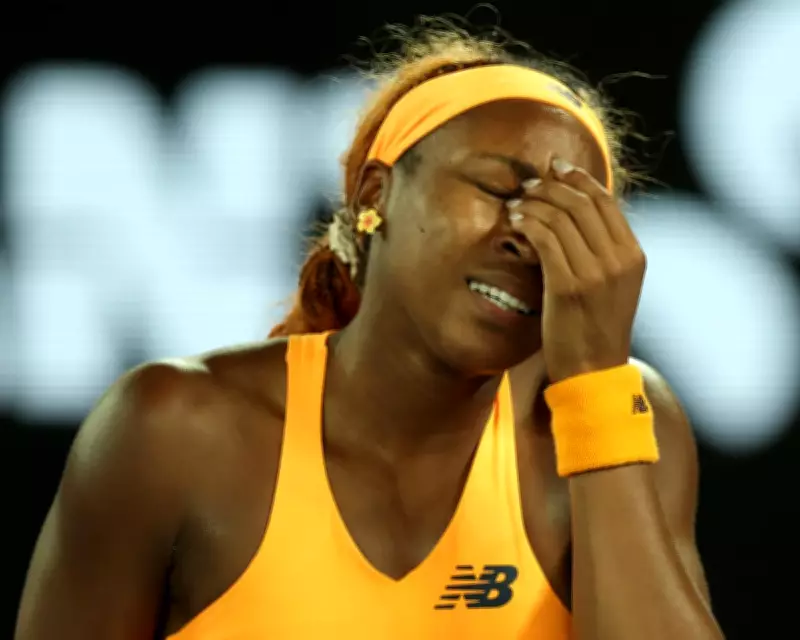
Coco Gauff experienced the intense frustration of a crushing 6-1, 6-2 defeat against Elina Svitolina at the Australian Open in Melbourne, an event that triggered a private emotional release which swiftly became a public spectacle. The American tennis star, seeking a moment of solitude, believed she had found a hidden spot to vent her feelings, only to discover that her actions were broadcast to the world, sparking a significant conversation about privacy in professional sports.
The Incident That Reverberated Across the Tour
In the aftermath of her match, Gauff retreated to a corridor at Melbourne Park, a space she assumed was shielded from prying eyes. There, she took out a racket and smashed it on the concrete floor, an act of self-control aimed at managing her disappointment away from the court. However, unbeknownst to her, cameras captured the moment, and within minutes, footage spread virally across the internet, turning a private outburst into a global talking point.
Gauff later expressed her dismay, noting that she had intentionally chosen a location she thought was private. "I tried to go somewhere where they wouldn't broadcast it, but obviously they did," she said, highlighting the pervasive surveillance at the tournament. "So yeah, maybe some conversations can be had, because I feel like at this tournament the only private place we have is the locker room."

Unified Player Backlash Against Invasive Surveillance
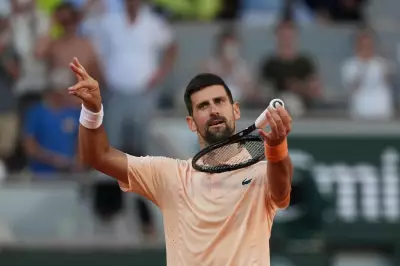
The incident has united tennis players in voicing concerns over their lack of privacy. Novak Djokovic remarked on the increasing invasiveness of cameras, while Jessica Pegula described the discomfort of constant filming, citing instances where fans zoomed in on players' phones. Iga Swiatek powerfully questioned the treatment of athletes, asking if they are "tennis players or animals in the zoo."
Cameras at the Australian Open are ubiquitous, installed in corridors, gyms, and media areas, with livestreams broadcasting players' movements in real-time on platforms like YouTube. This setup, while offering fans behind-the-scenes access, has raised ethical questions about boundaries and consent.
The Broader Implications for Player Welfare and Governance
While some argue that players' high earnings justify such surveillance, others stress the importance of respecting personal space, especially in non-competitive settings. The Women's Tennis Association has issued a statement supporting players' need for private recovery areas, and Tennis Australia's chief executive, Craig Tiley, has promised to listen to player feedback and make necessary adjustments.
This debate underscores a larger issue in grand slam tournaments, where decisions are often made without player consultation. Regardless of income, athletes deserve a say in their working conditions, particularly on matters as sensitive as privacy. As the sport evolves in a digital age, balancing fan engagement with player dignity remains a critical challenge for the tennis community.