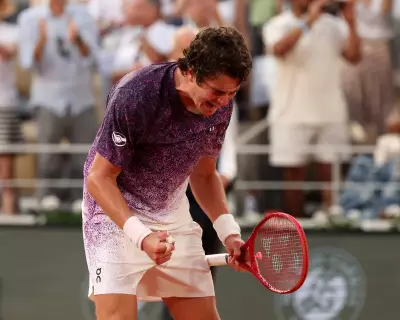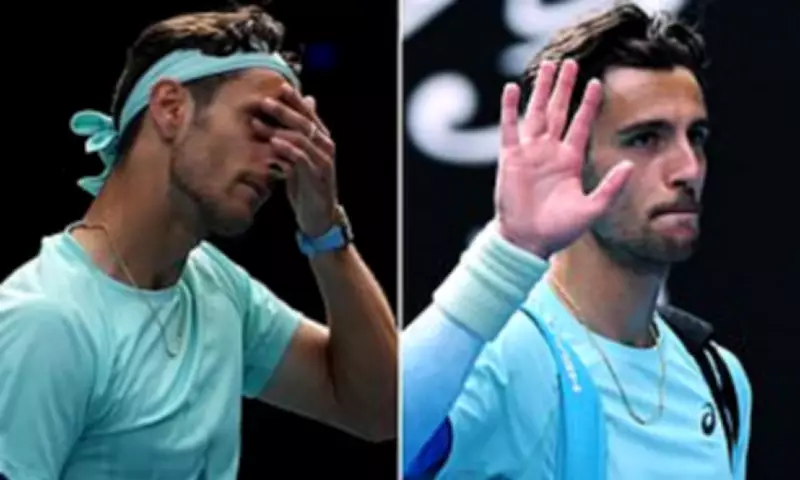
The Australian Open quarter-final between Lorenzo Musetti and Novak Djokovic has sparked controversy and heated debate among tennis enthusiasts, with the Italian star facing significant criticism for his decision to retire while leading the match. The unexpected turn of events has divided opinion in the tennis community, raising questions about athlete welfare versus competitive spirit in professional sports.
Controversial Exit From Winning Position
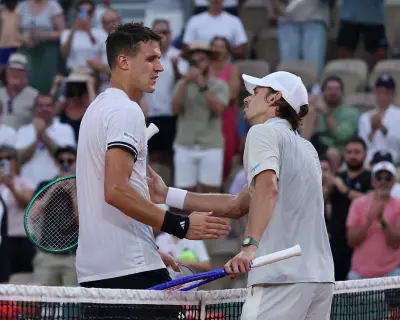
In what undoubtedly represents one of the most disappointing moments of his young career, 23-year-old Lorenzo Musetti made the difficult decision to retire during the third set of his quarter-final clash against Novak Djokovic at Melbourne Park. The retirement came despite Musetti having secured the first two sets with impressive scores of 6-4, 6-3, putting him in a commanding position against the ten-time Australian Open champion.
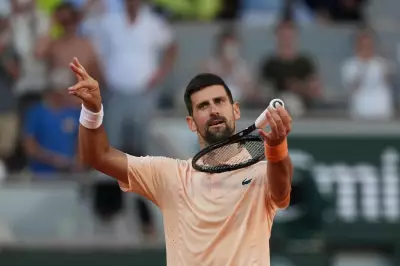
The fifth-seeded Italian cited an upper leg injury as the reason for his withdrawal, appearing visibly devastated as his opportunity to reach a Grand Slam semi-final evaporated in brutal fashion. Djokovic, who acknowledged post-match that Musetti had been 'a far better player' on Rod Laver Arena that day, recognised the match represented a significant escape for the defending champion.

Social Media Backlash and Fan Criticism
Across various social media platforms, tennis supporters have expressed their disappointment and frustration with Musetti's decision to retire. Many fans questioned whether the Italian demonstrated sufficient fighting spirit, suggesting he should have attempted to play through the discomfort given the high stakes of a Grand Slam quarter-final.
One particularly vocal supporter posted on X: 'Musetti retires way too easily. He doesn't fight.' This sentiment was echoed by another user who responded bluntly to Musetti's injury explanation: 'I don't believe this for one second.' The criticism extended to suggestions that previous generations of tennis professionals would have 'died on court' in their determination to win such an important match.
Expert Commentary and Divided Opinions
Former US tennis star and respected coach Brad Gilbert added his voice to the discussion, expressing his disbelief at the outcome. Gilbert posted on social media that he was 'still trying to process' Musetti's retirement and questioned why the Italian didn't wait for pain medication to take effect during the third set.
However, not all commentary has been critical. World number thirteen Holger Rune offered a contrasting perspective, defending Musetti's decision to prioritise his long-term health. The Danish star shared his own experience with injury management, posting: 'Look what happened to me when I pushed through a grade 1 tear in the leg. It cost me longer time away from tennis than ever before.' Rune emphasised that while athletes want to fight through pain, he perfectly understood Musetti's choice to 'listen to his body.'
Pattern of Grand Slam Misfortune
This incident represents part of a concerning pattern for Musetti in major tournaments. The Italian has now been forced to retire during the second week of Grand Slam events on four separate occasions, with three of these setbacks occurring within the past twelve months. Most notably, this includes his retirement during the semi-final of the 2025 French Open against Carlos Alcaraz, highlighting a recurring issue at crucial moments in his career.
Musetti provided detailed insight into his thought process during the match, explaining to reporters: 'I felt there was something strange in my right leg. You know, I continued to play, because I was playing really, really, really well, but I was feeling the pain increasing, and the problem was not going away.' The Italian described taking a medical timeout but finding the pain intensified when he resumed play, ultimately reaching a level where continuing became impossible.
The emotional toll was evident as Musetti concluded: 'I honestly have no words to describe how I'm feeling right now...and how tough it is for me (injury) in this moment.' This heartfelt admission underscores the complex balance professional athletes must strike between immediate competitive ambitions and long-term physical wellbeing.