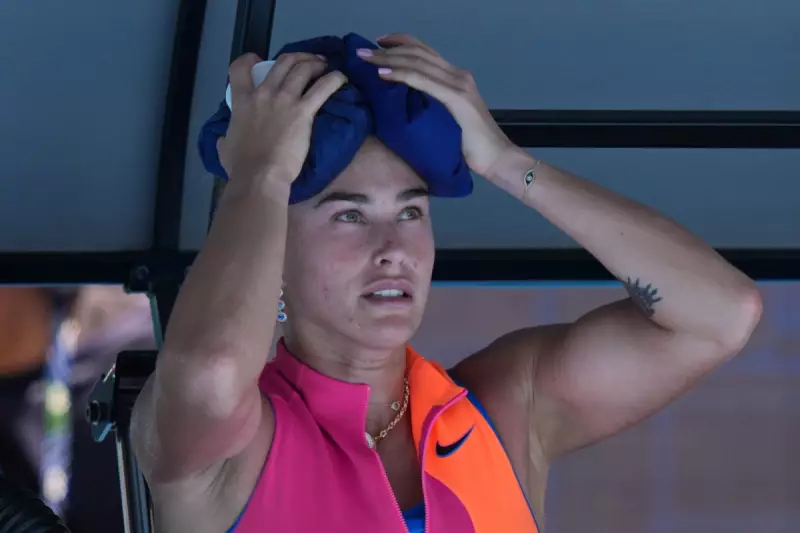
Top tennis stars, including Aryna Sabalenka, Carlos Alcaraz, and Jannik Sinner, have been directed to remove their Whoop wearable fitness trackers during matches at the Australian Open, sparking controversy and criticism from players and industry figures.
Sabalenka Voices Confusion Over Grand Slam Stance
Aryna Sabalenka, a prominent Whoop ambassador, has publicly expressed her bewilderment at the ban, urging grand slam organisers to reconsider their position. She highlighted that the devices are permitted in WTA tournaments and have received approval from the International Tennis Federation (ITF), questioning the inconsistency in regulations across different levels of the sport.
Tournament Organiser's Response and Ongoing Discussions
Tennis Australia, the organiser of the Australian Open, confirmed that wearable technology is currently not allowed at grand slam events. However, they indicated that discussions are actively ongoing regarding potential future approval, suggesting a possible shift in policy as technology becomes more integrated into athletic performance and health monitoring.

Player Usage and Benefits of Wearable Devices
Players utilise Whoop fitness trackers primarily for health monitoring, recovery insights, and tracking performance data during practice sessions. These devices are not used for live in-match information, emphasising their role in optimising training and well-being rather than providing a competitive advantage during play.
Industry Backlash from Whoop Founder
Will Ahmed, the founder and CEO of Whoop, has publicly criticised the Australian Open's decision, asserting that the devices are ITF-approved, safe, and essential for athletes to monitor their bodies. His comments underscore the growing tension between traditional sports regulations and the adoption of modern fitness technology in professional athletics.
The debate highlights broader issues in tennis regarding the integration of wearable tech, with players advocating for its use to enhance performance and health, while organisers navigate regulatory frameworks and fairness concerns.