Tennis Pay Dispute Intensifies as Top Players Reject Grand Slam Council Proposal
The ongoing conflict over prize money in professional tennis has escalated significantly, with the world's top ten male and female players formally rejecting an offer from three grand slam tournaments to establish a player council. This development represents a major setback for tournament organisers who had hoped to address governance concerns through structural changes rather than immediate financial concessions.
Players Demand Substantive Responses on Core Issues
In correspondence sent last week to Wimbledon, the French Open, and the US Open, the players declined an invitation to meet with representatives from these three tournaments at the Indian Wells Masters in March. The players' letter accused the grand slam organisers of consistently ignoring their concerns regarding fair compensation and player welfare provisions.
The correspondence stated clearly: "Before committing to another meeting, it would be more productive for the grand slams to provide substantive responses, individually or collectively, to the specific proposals the players have put forward regarding prize money at a fair share of grand slam revenues, and player health, welfare, and benefits contributions."

Historical Context of the Prize Money Campaign
This confrontation has been building since last year's French Open, when a delegation of elite players including Carlos Alcaraz, Jannik Sinner, Aryna Sabalenka, and Coco Gauff presented executives from all four grand slam tournaments with a specific demand. They urged tournament organisers to increase prize funds to twenty-two percent of revenue by 2030, bringing grand slams in line with ATP and WTA Tour events.
The current disparity is striking. Despite a record Australian Open prize fund of AUS$85 million this year, with champion Carlos Alcaraz receiving AUS$2.8 million for his victory, this represents only about sixteen percent of the tournament's total income. At Wimbledon last year, the £50 million prize pot constituted just 12.3% of the Championships' £406.5 million revenue.
Australian Open's Divergent Position
In a notable development, Tennis Australia and the Australian Open have positioned themselves separately from the other three grand slams in this dispute. The Australian governing body has aligned with the Professional Tennis Players' Association, which is currently suing Wimbledon, the French Open, and US Open organisers in New York's district court over alleged restrictive practices.
This division became apparent when only three grand slams (excluding the Australian Open) wrote to players in December offering to discuss establishing a grand slam player council, while simultaneously ignoring their financial and welfare demands.
Governance Concerns Beyond Financial Matters
The players' letter made clear that while they recognise governance structures can play an important role, they believe prioritising council formation over economic issues risks creating procedural discussions that delay meaningful progress. This position emerged after a series of locker room meetings during the Australian Open where players coordinated their response.
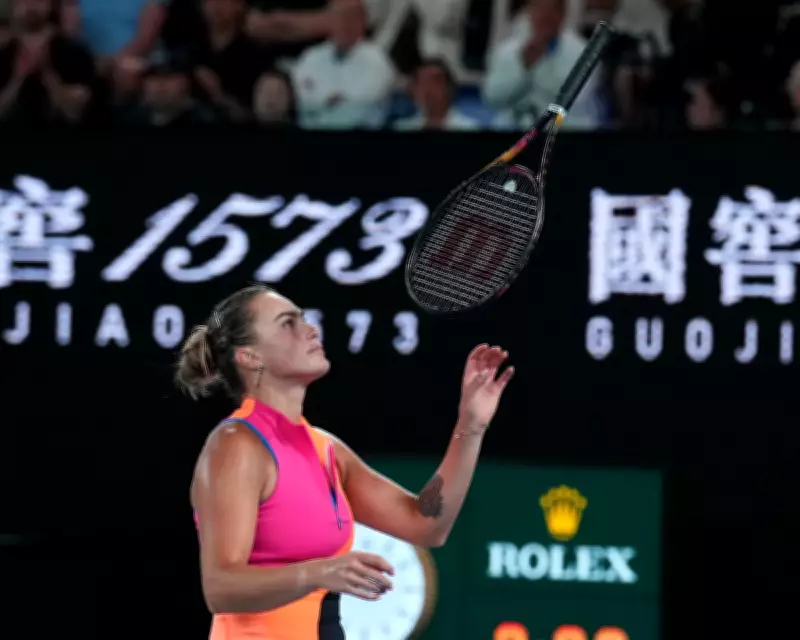
Several leading female players have reportedly become increasingly disillusioned with tennis governance following recent events in Melbourne. Particular dissatisfaction has emerged regarding the installation of additional television cameras in warm-up and cool-down areas without player consultation. This decision led to a video of Coco Gauff smashing her racket in what was previously considered a private space going viral after her quarter-final defeat.
Controversial Proposals Without Consultation
Further aggravating player relations was Sunday's announcement from Australian Open tournament director Craig Tiley that the tournament is exploring moving to best-of-five-set matches for women from the quarter-final stage. This radical proposal, which would fundamentally change women's grand slam tennis, was made without prior discussion with players, adding to the sense that their voices are being marginalised in decision-making processes.

The players' collective action represents a significant moment in professional tennis, with elite competitors across both tours uniting to demand not just symbolic representation through a council, but concrete improvements to their financial share of the sport's substantial revenues and meaningful input into decisions affecting their professional lives and welfare.