The iconic Melbourne Cricket Ground (MCG) has been notably excluded from the list of confirmed venues for the 2027 Rugby World Cup in Australia, marking a significant departure from expectations for one of the nation's most storied sporting arenas.
Venue Selection and the MCG Omission
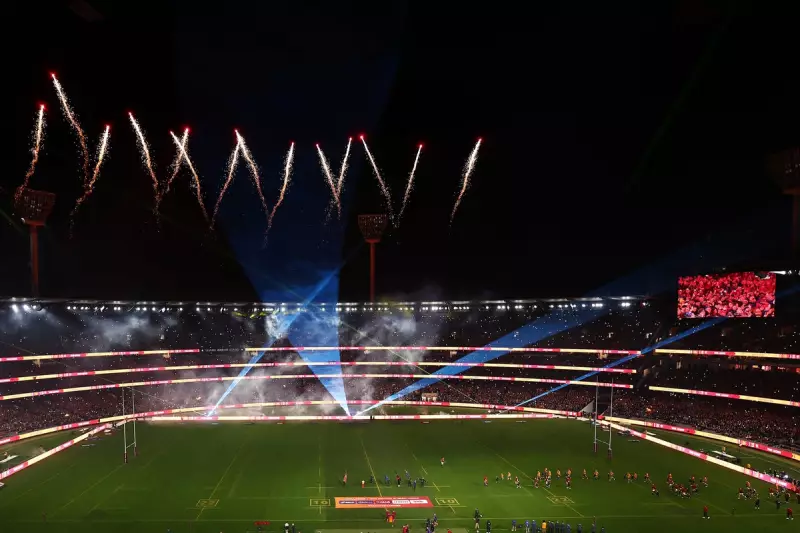
Despite hosting a memorable second British and Irish Lions Test last year before a crowd exceeding 90,000 spectators, the MCG will not feature when the Rugby World Cup returns to Australian shores for the first time since the 2003 tournament. This decision has sparked considerable discussion within the sporting community, given the ground's legendary status and capacity.
Scheduling Conflicts and Alternative Arrangements
Several logistical factors contributed to the MCG's omission. The venue is already scheduled to host a National Football League (NFL) fixture in 2027, while its regular commitments to cricket and Australian Football League (AFL) matches create substantial scheduling pressures. Consequently, Melbourne's matches, including two crucial round of 16 fixtures, will be held at Docklands Stadium, also known as Marvel Stadium, which offers a capacity of approximately 53,000.

National Venue Strategy and Tournament Highlights
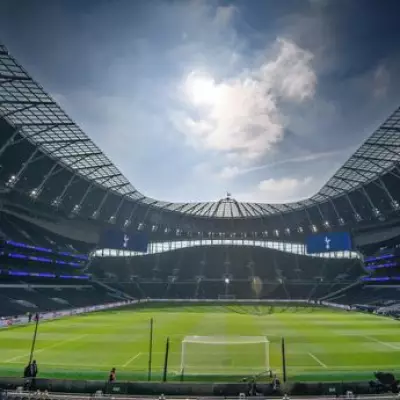
The comprehensive venue list showcases a strategic spread across Australia's major cities and regional hubs. Sydney's Stadium Australia, with an 82,000-seat capacity, is set to host the tournament's climax, including the semi-finals, Bronze Final, and the Final. The Sydney Football Stadium will also be utilised earlier in the competition.
Perth Stadium will have the honour of staging the tournament opener on 1 October, among other matches. Other key venues include Adelaide Oval, Brisbane Stadium, Newcastle Stadium, and North Queensland Stadium in Townsville, ensuring broad national representation.
Official Commentary and Vision for the Tournament
Chris Stanley, Managing Director of the 2027 Rugby World Cup, emphasised the thoughtful selection process. "The selection of these stadiums reflects not only Australia's proud rugby legacy but also our unwavering commitment to creating an unforgettable Rugby World Cup experience for every fan," he stated.
"From iconic national arenas to vibrant regional hubs, each venue has been chosen for its ability to deliver world-class facilities and electric atmospheres that will showcase the very best of our game." This vision aims to balance prestige with practicality, ensuring optimal conditions for players and spectators alike.
Detailed Venue Breakdown and Match Allocations
The confirmed venues and their match allocations are as follows:
- Adelaide | Tarntanya: Adelaide Oval (Capacity: 53,000) – Six pool matches.
- Brisbane | Meeanjin: Brisbane Stadium (Capacity: 52,500) – Six pool matches, two round of 16, and two quarter-finals.
- Melbourne | Narrm: Docklands Stadium (Capacity: 53,000) – Six pool matches and two round of 16.
- Newcastle | Awabakal-Worimi: Newcastle Stadium (Capacity: 30,000) – Four pool matches.
- Perth | Boorloo: Perth Stadium (Capacity: 60,000) – Five pool matches (including the opening) and two round of 16.
- Sydney | Wangal & Gadigal: Stadium Australia (Capacity: 82,000) – Two pool matches, two quarter-finals, two semi-finals, Bronze Final, and Final; Sydney Football Stadium (Capacity: 42,500) – Three pool matches and two round of 16.
- Townsville | Gurambilbarra: North Queensland Stadium (Capacity: 25,000) – Four pool matches.
This diverse lineup promises to bring the global rugby spectacle to communities across the continent, fostering engagement and celebrating the sport's rich heritage in Australia.