From Olympic Glory to Incarceration: The Dual Life of Lake Placid's 1980 Venue
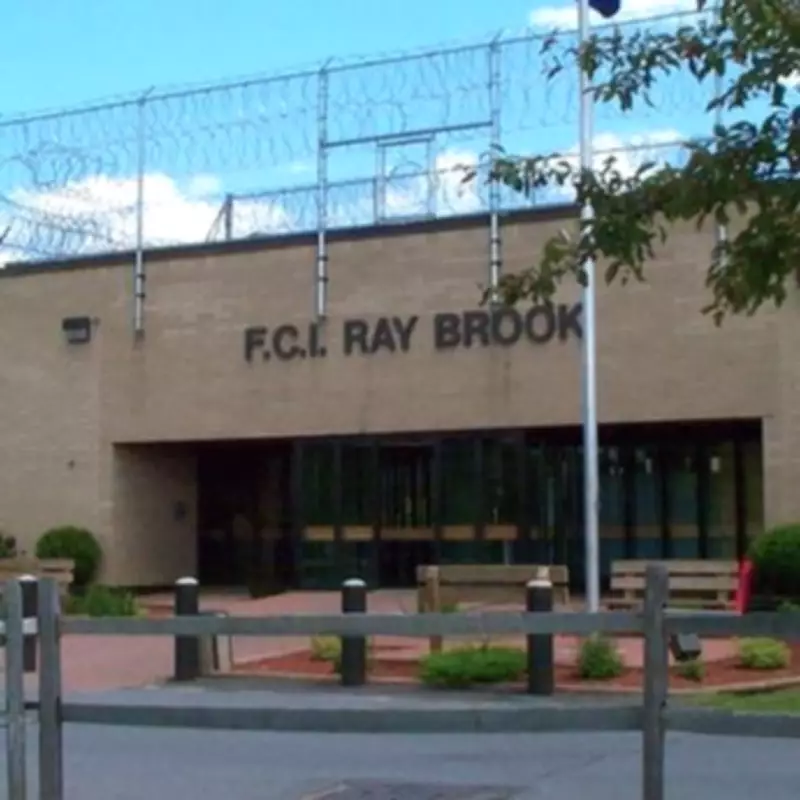
The 1980 Winter Olympics in Lake Placid, New York, are remembered for iconic sporting moments like the 'Miracle on Ice' and Eric Heiden's five gold medals. However, the athletes' village that hosted these champions has undergone a remarkable transformation, now serving as the Ray Brook Federal Correctional Institution.
A Village Built with Prison in Mind
When Lake Placid secured the 1980 Winter Games, it received $28 million in federal funding with a crucial condition: the Olympic village had to have a practical post-Games purpose. Organizers negotiated with Congress and the Federal Bureau of Prisons, agreeing to convert the facility into a correctional institution after the Olympics concluded.
This unusual arrangement meant the village was designed from the outset as a future prison. The 937 sleeping rooms, measuring just 8-by-13 feet with steel doors and small windows, would later become inmate cells. Despite local protests and concerns from competing nations, construction proceeded in North Elba, approximately seven miles from Lake Placid.

Athlete Accommodations and Psychological Strain
During the Games, many athletes found the village conditions challenging. The West German team specifically complained that the environment was taking a psychological toll. Numerous competitors opted to rent private homes in the Lake Placid area rather than stay in the spartan accommodations.
Yet the 1980 Olympics proceeded successfully, featuring historic achievements including the American hockey team's improbable victory over the Soviet Union and Heiden's unprecedented speed skating dominance.
Rapid Transformation to Federal Prison
Just six months after the closing ceremonies, Department of Justice seals appeared on the facility as it transitioned to FCI Ray Brook. The prison remains operational today, capable of housing up to 1,000 inmates and featuring surprisingly comprehensive amenities including:
- A 350-seat theatre for inmate programs
- A world-class gymnasium facility
- A high-end running track for recreation
- A dedicated game room for leisure activities
Notable Inmates and Continuing Legacy
The prison has housed several high-profile figures, including rapper Ja Rule and Eduardo Arellano-Felix, a leader of the notorious Tijuana Cartel. This represents a stark contrast to its original Olympic inhabitants, who included world-record holders and gold medalists.
Lake Placid's unique Olympic history continues with this facility serving as a tangible reminder of how sporting venues can be repurposed for entirely different functions. The town had previously hosted the 1932 Winter Games, making it the first location outside Europe to stage the event, and the 1980 village-to-prison conversion remains one of the most unusual legacies in Olympic history.