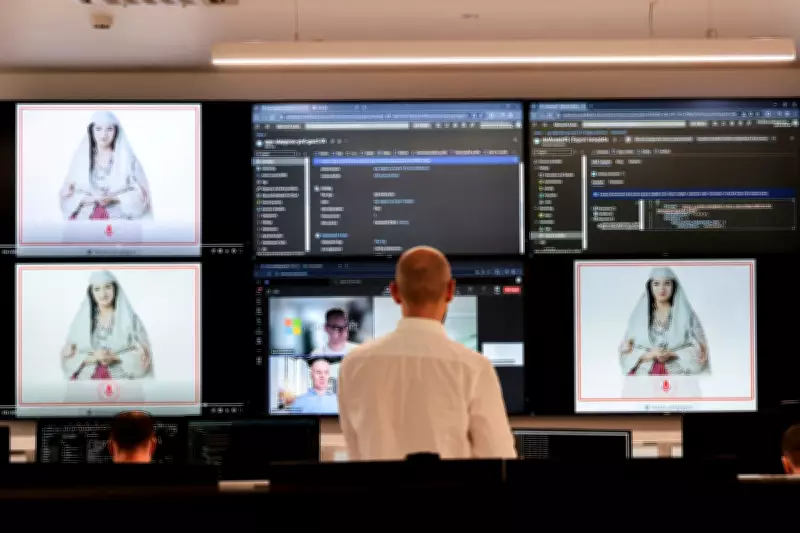
An Albanian actress has launched a formal legal challenge against her own government, alleging that her face and voice were used without proper authorisation to create the world's first artificial intelligence minister. Anila Bisha, a well-known performer, claims she was never fully informed that her digital likeness would be employed for the controversial AI politician named Diella.
The Unauthorised Creation of an AI Minister
Diella was publicly unveiled last year by Albania's Prime Minister Edi Rama, who described the digital entity as a groundbreaking initiative designed to oversee public procurement processes and eliminate corruption. The AI minister was presented as a technological solution to enhance governmental transparency and efficiency, marking a significant milestone in the integration of artificial intelligence into political systems.
Contractual Disputes and Legal Proceedings
Bisha acknowledges that she did sign a contractual agreement permitting the use of her likeness on the government's official e-Albania digital platform. However, she strongly asserts that this agreement did not extend to the creation of a fully-fledged AI minister with her appearance and vocal characteristics. The actress maintains that she was completely unaware of plans to develop Diella using her personal identity.

Through her legal representatives, Bisha has now filed a formal request with an administrative court demanding the immediate cessation of all usage of her image and voice for the AI minister project. Her legal team is preparing to pursue a comprehensive lawsuit seeking substantial damages and compensation, arguing that an individual's identity constitutes protected personal property that cannot be appropriated without explicit, informed consent.
Broader Implications for Digital Identity Rights
This case raises profound questions about the legal boundaries surrounding digital identity and artificial intelligence applications in governmental contexts. As nations increasingly explore AI solutions for public administration, the protection of individual rights against unauthorised digital replication becomes critically important. Bisha's legal challenge could establish significant precedents regarding consent requirements for AI representations in official capacities.
The Albanian government has yet to issue a formal response to the legal action, but the case has already attracted international attention from digital rights advocates and legal experts specialising in emerging technology regulations. The outcome may influence how governments worldwide approach the ethical implementation of AI systems that incorporate human characteristics.