An artificial intelligence startup has ignited a global ethical firestorm with a controversial advertisement depicting a family maintaining a relationship with their deceased grandmother through a hyper-realistic digital avatar. The ad, released in November 2025 by company 2wai, prompted widespread reactions ranging from heartwarming to deeply dystopian, forcing a public conversation about the future of grief, legacy, and what it means to be human in the digital age.
The Viral Ad That Divided the Internet
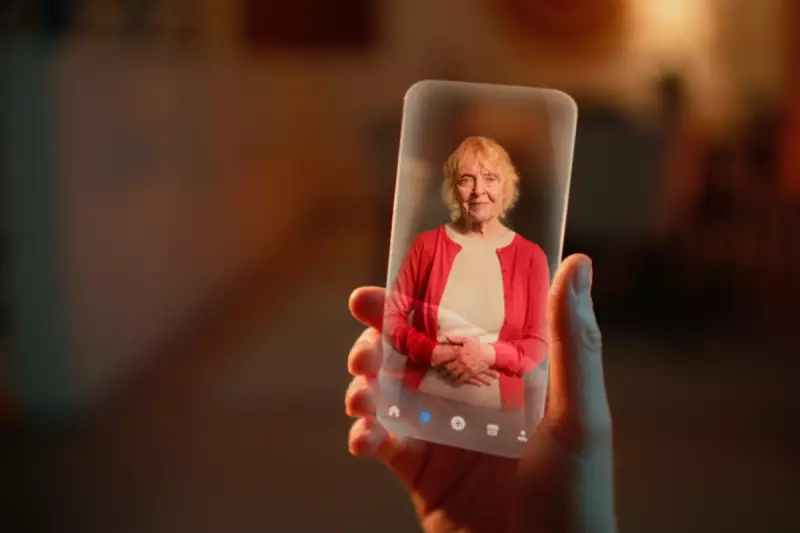
The now-infamous commercial opens with a tender scene: a pregnant woman tells her mother, over the phone, that her unborn baby is kicking. The mother advises her to hum a tune. The poignant moment is shattered in the next scene when it is revealed the grandmother-to-be has passed away. The voice on the phone is her "HoloAvatar," an AI construct trained on her mannerisms, stories, photos, and videos.
As the narrative unfolds, the viewer sees the child, Charlie, grow up having an entire relationship with this digital rendition of his grandmother. The AI asks about school crushes and, years later, he shares a sonogram image when expecting his own child. The ad's deliberate emotional punch was designed for controversy, according to 2wai CEO Mason Geyser, who co-founded the company with former Disney child star Calum Worthy and his father, producer Russell Geyser.

"We tried to spark this kind of online debate between the two sides," Geyser stated, acknowledging they hoped for a "healthy debate." The reaction, however, surpassed expectations, drawing inevitable comparisons to the dystopian sci-fi series Black Mirror and criticism from religious groups concerned about mockery of resurrection.
Grief, Legacy, and Psychological Peril
While the technology presents itself as a novel form of digital estate planning, clinical psychologist Dr. Jennifer Kim Penbarthy warns of significant emotional consequences. Interacting with a convincing avatar soon after a loss presents a profound psychological challenge. "We are built to form those attachments to things that are humanoid or humanlike," she explains, highlighting the risk of a positive feedback loop that could lead to addiction, potentially hampering the natural grieving process.
Penbarthy questions whether such technology would be used as a temporary bridge through immediate grief or as a permanent, unhealthy replacement. The seamless availability of an avatar immediately after death disrupts the traditional process of mourning. "If they persist in our lives in this way... do we just determine that we never have to deal with grief?" she asks.
This concern is echoed in the real-world precedent of "The Jessica Simulation." In 2020, software engineer Joshua Barbeau created a text-based chatbot trained on messages from his late fiancée. He maintained it was a tool to process eight years of suppressed grief, not a replacement, and cautioned against its use by those in active mourning. His published conversations with the bot are a heartbreaking testament to the human desire for connection, even through digital facsimiles.
The Business of Digital Afterlife
Despite the unease, 2wai is proceeding with a clear business model. After raising a $5 million pre-seed round in the summer of 2025, the company plans a subscription service based on usage, not avatar creation. "You're never going to have them held ransom... where it's like, if you don't pay $5 a month, then we're going to delete your grandmother," Geyser assured. Costs are incurred through server use, LLM processing, and voice synthesis when users engage in long conversations.
The company's original focus was on creating avatars for influencers and celebrities to protect their likenesses. However, market research revealed stronger excitement around preserving family stories, leading to the pivotal shift in strategy. The technology also proposes less contentious uses, such as educational avatars of historical figures like William Shakespeare.
This trend toward digital legacy is not entirely new. It builds upon existing practices like Facebook memorialisation, digital estate planning, and high-tech gravesites with QR codes and holograms. 2wai positions its product as a natural, albeit more advanced, progression in how humans seek to outwit oblivion.

An Uncertain Future for Memory and Mortality
Research suggests openness to the idea of a persisted consciousness can correlate with healthier grieving. A 2023 Pew survey found 53% of Americans believed they had been contacted by a deceased loved one. Penbarthy notes that such beliefs can provide a framework for coping with loss.
The best-case scenario for avatar technology, according to Penbarthy, is as a short-term tool to ease into loss or wrap up final communications. The worst case sees it fostering dependency, stunting emotional growth, and complicating relationships with the living. The core question remains: Can adults be trusted to use such powerful technology responsibly, or does its potential for harm demand safeguards?
As Mason Geyser concedes, fear is a valid reaction. The 2wai ad has held up a mirror to society, reflecting our deepest anxieties about death, our longing for connection, and the unsettling price of digital immortality. The debate it sparked is only the beginning of a much larger conversation about the ethical boundaries of AI in the most intimate aspects of human life.