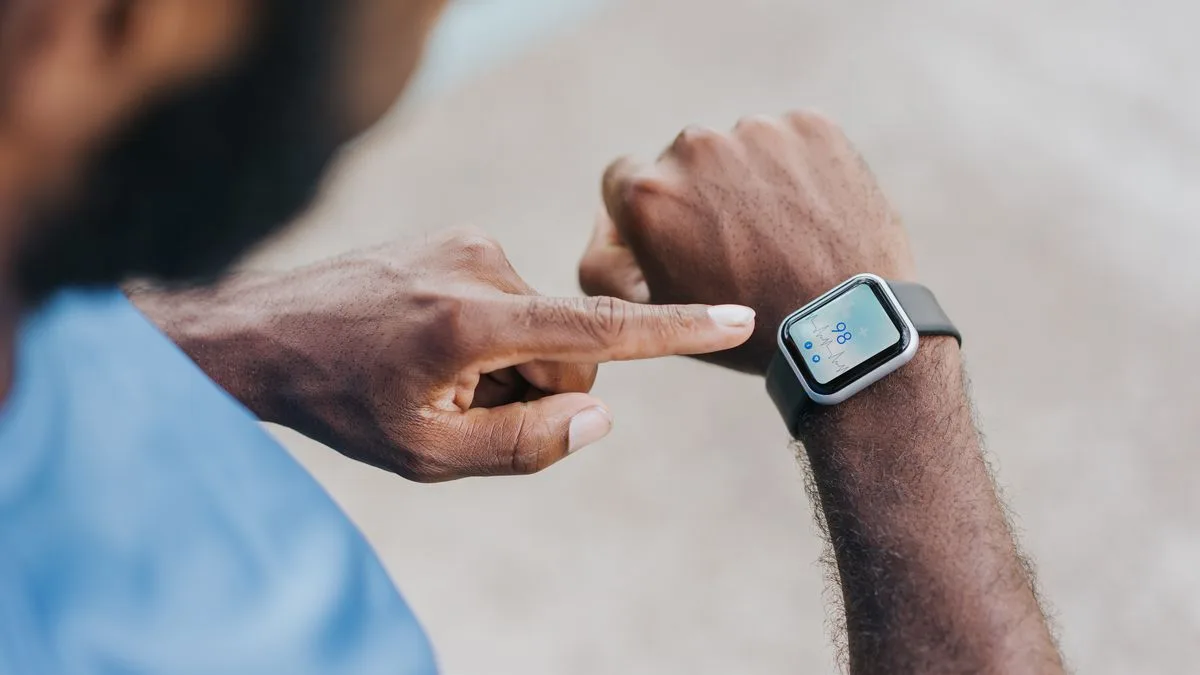
Running enthusiasts are being urged to protect their data when using fitness apps to avoid it falling into the wrong hands. The warning comes from investigative tech firm Altia, which said the data accumulated in social running apps paints a digital picture of a user’s life, with location, running routes, and timings made visible.
With the UK recording more than 700,000 stalking and harassment offences in the first six months of 2023, Altia is encouraging runners to ‘lock down’ their privacy settings during National Stalking Awareness Week (22–26 April). The firm warned that criminals may use data from running apps to inform their activities.
Dave Sampson, Consultant for Digital Intelligence at Altia, said: “The default setting for these apps is to have everything visible, so users should actively check their settings before they start using it. If someone is looking to track you they potentially have visibility of your run routes, the times you set off, and potentially even your home address if you go straight from the door.”

Altia also warned that data could be obtained by organised crime groups. Sampson added: “There is also potential for individuals to use it for purposes other than what it was designed for. For example, a prison officer who uses the app could be identified and approached by an organised crime group which is looking to smuggle drugs into a prison.”
For those looking to safeguard their data, Altia advised ensuring privacy settings are as stringent as possible, checking who likes their status, and verifying whether activity is genuine. “Our advice would be to lock it down when it comes to your privacy settings,” Sampson said. “That way you can enjoy your progress safe in the knowledge that your data is secure and only shared appropriately.”