Chinese Student Detained Over US Air Base Photography Incident
A Chinese national studying aeronautical engineering at the University of Glasgow has been taken into custody after allegedly capturing photographs of aircraft at a sensitive United States military installation. Tianrui Liang, aged 21, faces charges for taking unauthorised images at Offutt Air Force Base in Nebraska, which serves as the headquarters for the US Strategic Command.
Arrest at JFK Airport Following Base Surveillance
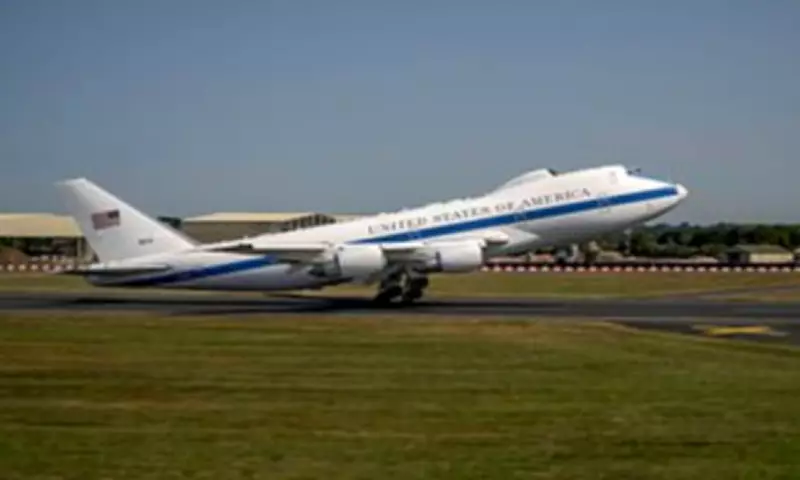
Liang was apprehended at John F. Kennedy International Airport in New York on April 7, while attempting to return to Scotland. His arrest followed an eyewitness report from the Nebraska base, where a man in a vehicle was observed using a camera equipped with a telescopic lens to photograph a military plane on the runway. According to FBI documents, the incident occurred on March 31, with Liang allegedly documenting multiple aircraft, including a Boeing E-4B, colloquially known as the 'doomsday plane'.
This specialised aircraft functions as a mobile command post for senior American military and government officials during national emergencies, designed to withstand nuclear attacks. Liang appeared before a New York court on April 8 and was initially released on bail, but was swiftly returned to custody the next day after prosecutors argued he posed a 'considerable flight risk'.

Student's Claims and Plane Spotting Background
FBI special agent Noah Heflin stated in an affidavit that Liang admitted to counterintelligence teams that he knew his actions were illegal, but insisted the photographs were 'only for his own personal collection'. The student is described as an enthusiastic plane spotter who has previously travelled across the United Kingdom to photograph both military and commercial aircraft.
Heflin's affidavit further alleges that Liang utilised a plane spotting website to gather information on where aircraft are parked, serviced, and loaded at various airfields and airports, including Offutt Air Force Base. This detail underscores the methodical nature of his activities.
Cross-Border Journey and Legal Violations
Legal documents reveal that Liang flew to Canada on March 26 to meet a friend studying at Columbia University in New York. The pair drove across the border into the United States two days later, travelling from Seattle, Washington, to Billings, Montana. After his friend departed for New York on March 29, Liang drove to Ellsworth Air Force Base in South Dakota in an attempt to photograph the B1-B strategic bomber.
Upon discovering the aircraft had been relocated, he proceeded to Offutt Air Force Base. Liang has been charged with violating a US law that prohibits photographing, sketching, or mapping 'vital' military bases and equipment without explicit permission. He is scheduled to appear in court again later this month, though full details of his case remain undisclosed due to the FBI's 'concerns regarding the ongoing investigation into a named co-conspirator'.
Broader Context of Espionage Concerns in Academia
Liang's arrest occurs against a backdrop of persistent warnings from security officials that British universities have become 'magnets' for espionage activities. Ken McCallum, head of MI5 and a University of Glasgow alumnus, has highlighted these risks. In recent years, programs funded by the Chinese Communist Party on British campuses have faced accusations of spying on and censoring UK students.
Experts caution that universities conducting cutting-edge research projects with international students may inadvertently expose sensitive military and technological materials to foreign agents. Nigel Inkster of the International Institute for Strategic Studies told the BBC in November that there are 'a lot of cases of joint research which have clear military-defence applications, where I would have thought it would occur to those engaged to ask questions about the desirability of continuing with such activities.'

Legal and Institutional Responses
Liang's lawyer, Jeffrey Thomas from the Federal Public Defender's Omaha office, has not responded to enquiries regarding the case. Similarly, the US Attorney's Office in Nebraska stated it is unable to comment at this time. A spokesperson for the University of Glasgow said, 'We do not comment on ongoing police matters or individual students,' reflecting the institution's cautious stance amid the unfolding legal proceedings.