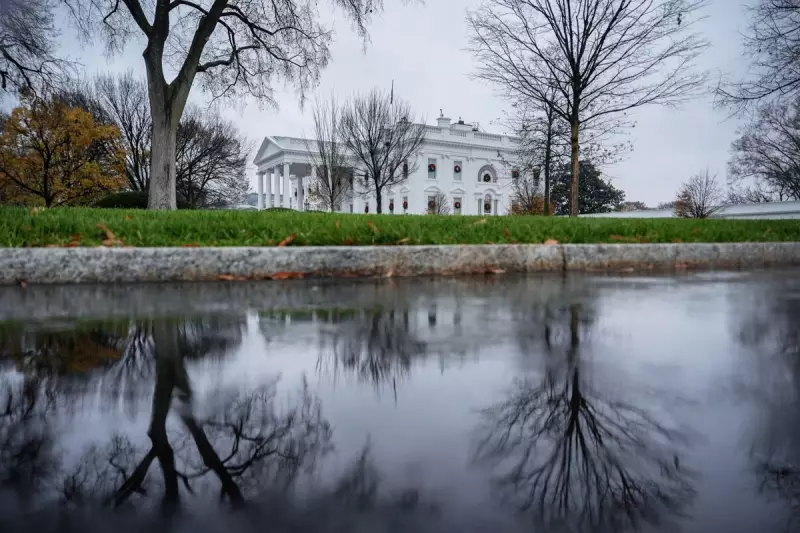
A bizarre security incident saw a YouTube finance creator's livestream temporarily replace official content on the White House's website, raising immediate alarms about a potential cyber breach.
Livestream Intrusion on Official Government Site
For at least eight minutes late on Thursday, the official White House live video page was commandeered. Instead of expected presidential addresses, visitors to whitehouse.gov/live were shown a segment of a YouTube investment talk hosted by creator Matt Farley, who posts as @RealMattMoney.
The video featured part of Farley's more than two-hour financial Q&A session. The White House typically uses this channel to stream live video of President Donald Trump and other official events, making the intrusion highly conspicuous.

Investigation Launched Amid Security Concerns
As of Friday 19 December 2025, officials had not determined whether the incident was a deliberate hack or an accidental misconfiguration by a government employee. The White House did not immediately respond to requests for comment following the discovery.
Matt Farley, the YouTube creator at the centre of the mystery, expressed disbelief. Although he did not immediately comment directly to press inquiries, he shared a news story about the event on his X profile, stating, “There’s no way this is real, right? I was just trying to stream with my buddies.”
A Pattern of Digital Security Challenges
This incident is the latest in a series of digital security breaches and challenges plaguing the Trump administration and campaign over the past year.
Key previous incidents include:
- May 2025: An investigation was launched after prominent figures received texts and calls from someone impersonating Susie Wiles, the Republican president's chief of staff.
- Last year: A hack attributed to Iran compromised Trump’s campaign, leading to the theft and distribution of sensitive internal documents. This included a dossier on Vice President JD Vance, created before he was selected as Trump's running mate.
The unexplained appearance of a public YouTube stream on one of the US government's most high-profile websites underscores persistent vulnerabilities, prompting renewed scrutiny of its cybersecurity protocols.