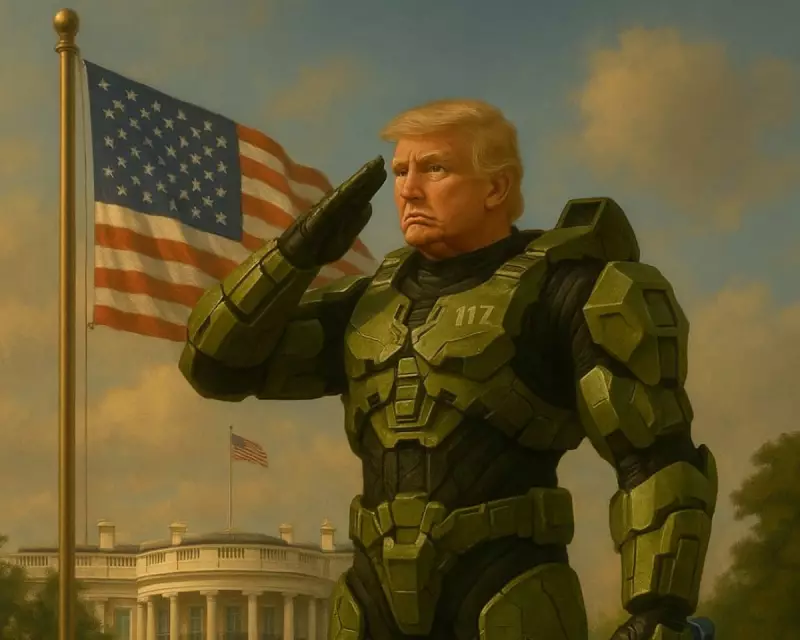
In a striking fusion of digital culture and government operations, the Trump White House has launched an unconventional recruitment campaign for Immigration and Customs Enforcement (ICE) that harnesses the power of video game aesthetics and internet memes.
The Gamification of Government Recruitment
The administration's strategy represents a significant departure from traditional government messaging, instead opting for imagery and language reminiscent of popular first-person shooter games and military simulation titles. This approach aims to connect with younger demographics steeped in gaming culture.
Official communications and recruitment materials now feature aggressive, militaristic language and visual elements that echo gaming interfaces, complete with mission-style objectives and achievement-based framing of enforcement actions.
Controversy and Criticism
The tactic has drawn sharp criticism from immigration advocates and political opponents who argue it trivialises the serious nature of immigration enforcement and potentially glorifies the use of force. Critics suggest the meme-based approach could desensitise the public to the human consequences of immigration policies.
"This represents a dangerous blurring of lines between entertainment and serious government functions," commented one digital ethics researcher. "Turning enforcement actions into game-like achievements risks undermining the gravity of these operations."
A New Era of Digital Political Messaging
The ICE recruitment campaign signals a broader shift in how political entities are adapting to digital-native audiences. By co-opting gaming vernacular and meme culture, the administration aims to bypass traditional media channels and speak directly to its base through shared cultural references.
This strategy reflects the increasing sophistication of political digital marketing, where understanding internet subcultures and gaming communities becomes as important as mastering conventional campaign techniques.
The long-term effectiveness of this approach remains uncertain, but it undoubtedly marks a new frontier in the intersection of digital culture, political communication, and government operations.