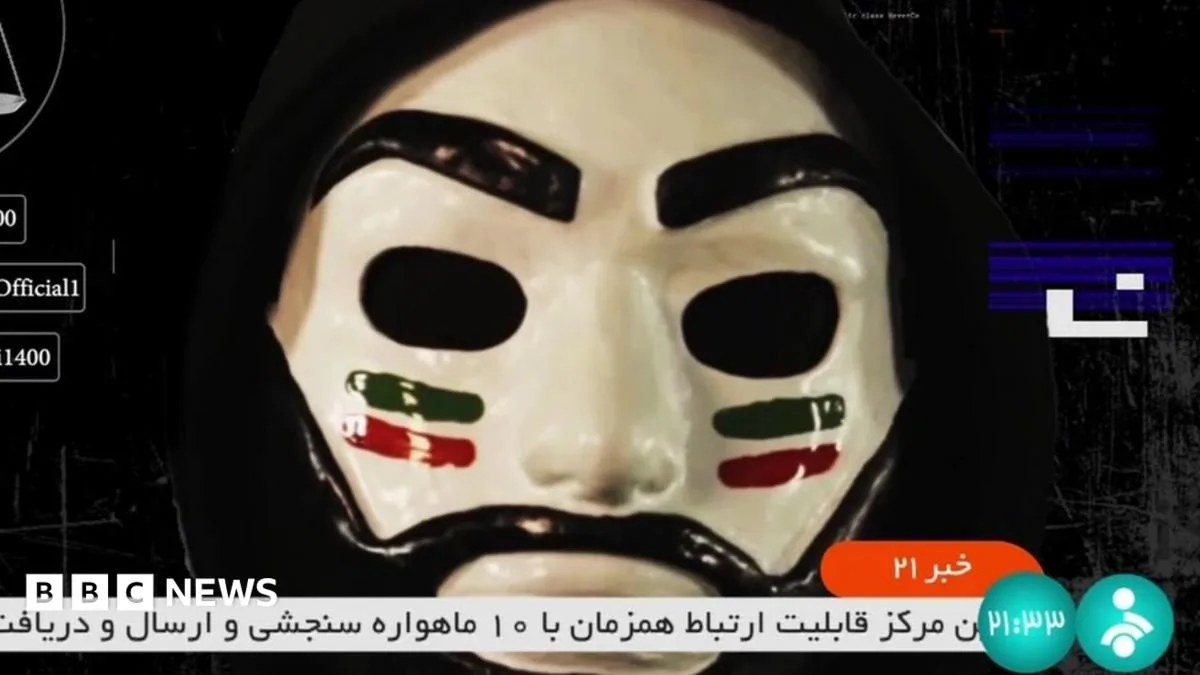
Iran's state-run broadcaster was hacked on Saturday during a live news bulletin, with protesters displaying images of Supreme Leader Ayatollah Ali Khamenei surrounded by flames and a target on his head. The interruption, which lasted only seconds, included captions such as 'join us and rise up' and 'our youths' blood is dripping off your paws'.
The hack comes amid widespread protests following the death of 22-year-old Mahsa Amini, who died in custody on 16 September after being detained by morality police for allegedly not covering her hair properly. At least three people were shot dead on Saturday as protesters clashed with security forces in new unrest.
Social media videos also emerged showing female students at a university in Tehran chanting 'get lost' during a visit by President Ebrahim Raisi. In Sanandaj, two people were killed, including a man shot in his car after sounding his horn in support of protesters. A police official blamed 'counter-revolutionaries', according to state news agency IRNA.

On Friday, Iran's Forensic Medicine Organisation said Ms Amini died from multiple organ failure caused by cerebral hypoxia, contradicting claims by her family and protesters that she died from blows to the head. Rights groups report more than 150 people have been killed since protests began on 17 September.
Shops in several cities, including Tehran's bazaar, have shut in support of protesters. The unrest reaching the bazaar is significant as merchants have traditionally been supporters of the Iranian leadership.