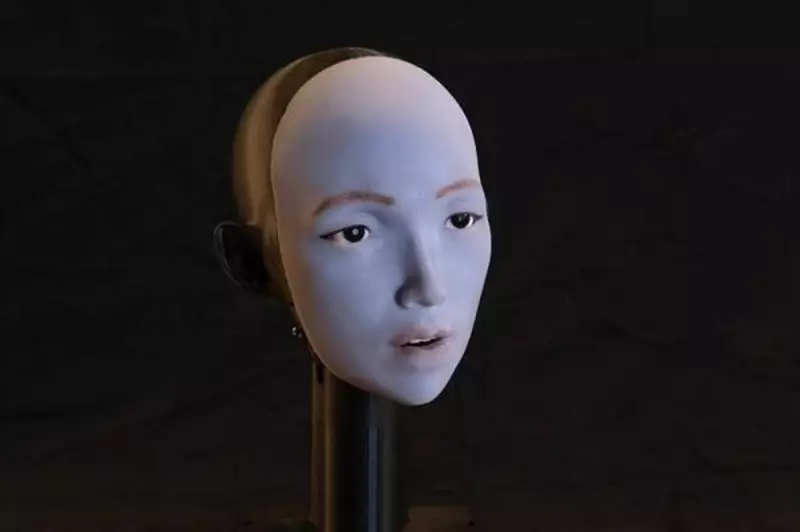
In a significant leap for robotics, engineers have created a machine capable of learning and replicating the intricate lip movements of human speech and song. This development, announced by a team from Columbia University, brings us a step closer to robots that can interact with people in a more natural and less unsettling way.
Learning from the Internet and a Mirror
The groundbreaking research, published in the journal Science Robotics on Wednesday, details how the robot acquired its skill. It studied countless hours of YouTube videos to understand the complex relationship between sound and facial motion. Crucially, it then practised using its 26 individual facial motors by watching its own attempts in a mirror, a method of self-supervised learning that mimics how humans might learn a new physical skill.
Professor Hod Lipson, James and Sally Scapa, leading the work at Columbia’s Creative Machines Lab, explained the process. "The more it interacts with humans, the better it will get," they stated, emphasising the learning-based approach over rigid pre-programming.

Overcoming the 'Uncanny Valley'
This focus on fluid, learned movement is key to tackling the notorious "uncanny valley" effect, where almost-human robots provoke feelings of eeriness and discomfort. Up until now, robotic lip motions have often been slightly off, undermining attempts at realistic interaction. With nearly half of human attention in conversations focused on the mouth, even minor flaws are easily spotted.
The team demonstrated the robot's ability to articulate words in multiple languages. It even performed a song from an AI-generated debut album titled "hello world_." However, researchers acknowledge room for improvement. "We had particular difficulties with hard sounds like ‘B’ and with sounds involving lip puckering, such as ‘W’," admitted Professor Lipson. "But these abilities will likely improve with time and practice."
A Future of Expressive Machines
The implications of this technology are vast. Lead researcher Yuhang Hu highlighted that combining this lip-sync ability with conversational AI like ChatGPT creates a much deeper connection between humans and machines. While much robotics development centres on locomotion and manipulation, Lipson argues that "facial affection is equally important for any robotic application involving human interaction."
The team envisions warm, lifelike robotic faces being used in entertainment, education, healthcare, and elderly companionship. With some economists predicting over a billion humanoid robots could be built in the next ten years, this technology may become essential. "There is no future where all these humanoid robots don’t have a face," Lipson estimates. "And when they finally have a face, they will need to move their eyes and lips properly, or they will forever remain uncanny."
This project is part of a decade-long pursuit by Lipson to foster genuine connection between robots and people. He finds a unique magic in machine learning: "I’m a jaded roboticist, but I can’t help but smile back at a robot that spontaneously smiles at me."