In a surprising twist for the digital romance scene, a new trend is emerging among young professionals in the UK. Tired of the disappointments of conventional dating platforms, a generation is turning to an unlikely place to find a partner: the professional networking site LinkedIn.
From Career Advice to Coffee Dates
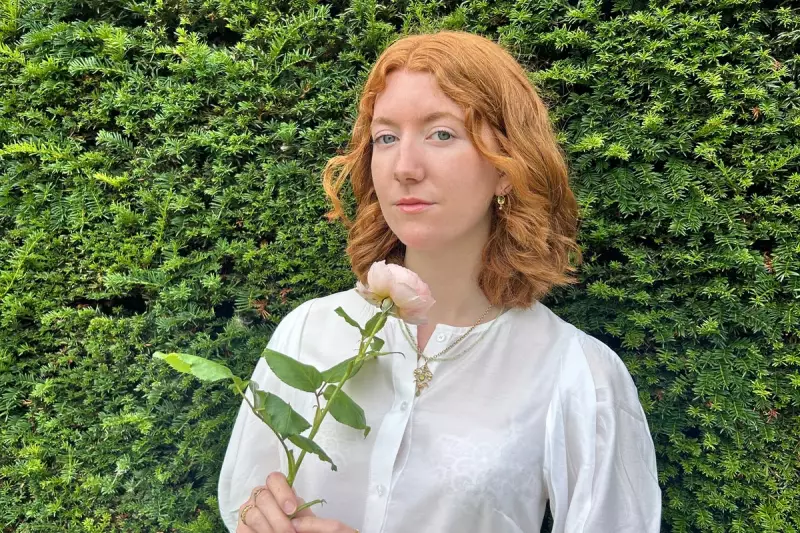
The story begins with Esme Gordon Craig, who decided to delete her dating apps after growing frustrated with what she describes as a "binfire of no-hopers and try-hards." Her epiphany came during a work experience placement. She spotted a colleague she fancied but only knew his first name. Using LinkedIn, she found his profile, messaged him asking for career advice, and they went for a coffee. Sparks flew, and a real date was soon in the diary.
While using a platform designed for business connections to ask someone out might seem cringeworthy to some, Gordon Craig argues it offers significant advantages. LinkedIn profiles provide a fuller, more verified picture of a person. You can see their career trajectory, education, interests, and charitable work, which helps guard against being catfished. Furthermore, she notes, you are almost guaranteed they will look better in person than in their often-stuffy corporate headshot.

Blurring the Lines Between Business and Pleasure
This shift points to a broader change in mentality, particularly among digital-native Gen Z users. The rigid separation between professional and personal online spheres is dissolving. Just as Instagram and Hinge have become places for business networking, apps like LinkedIn are now being explored for romantic potential. The strategy, as outlined by Gordon Craig, involves connecting with someone in a desired field—corporate or creative—and inviting them for a casual career chat over coffee. This takes the pressure off a formal date, and even if romance doesn't blossom, you gain a valuable contact.
However, this new approach is not without its ethical debates. The article references a major incident from a decade ago, in 2016, when barrister Charlotte Proudman called out a senior lawyer for commenting on her "stunning" LinkedIn photo. Proudman, then 27, accused the man—who was 30 years her senior—of using the platform "essentially as Tinder" and highlighted the inherent power imbalance.
A Response to Dating App Burnout
For many like Gordon Craig, the move to LinkedIn is a direct response to the exhaustion caused by traditional dating apps. Romantic burnout is leading many to take a complete break from hook-up culture. In this climate, LinkedIn presents a seemingly more serious, informative, and low-pressure alternative. It filters for employed, ambitious individuals and facilitates a natural, gradual connection.
Of course, not every connection request will be accepted, and not every coffee will lead to romance. But as Gordon Craig asks, are the odds on dedicated dating apps really any better? For a generation adept at merging online realms, the professional network might just be the modern cupid's new playground.