The Silent Scream: Gen Z's Controversial Gesture Explained
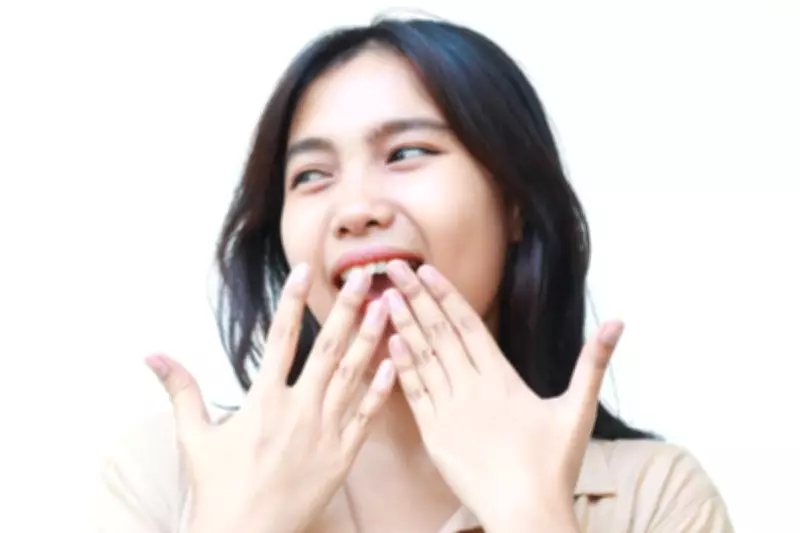
When a friend recently learned about my promotion, her response was unexpected. She raised her hands before her mouth as if preparing for a powerful scream, scrunched her nose like a sneezing feline, and produced a hoarse cry without actual sound. To outsiders, this might have appeared concerning, but in Gen Z parlance, this silent scream represented genuine excitement. This gesture has become the latest behavioral motif dividing generations, with critics claiming it demonstrates communication failure while supporters see it as linguistic evolution.
The Viral Origins of Silent Expression
Many first encountered the silent scream through comedian Caroline Cianci's viral social media sketches portraying "Gen Z girl with no personality," which have accumulated over 200 million views. In these performances, Cianci delivers deadpan lines like "It's giving tea" (indicating gossip-worthy content) and "I'm feeling lowkey overstimmy" (expressing overstimulation), punctuating moments with the silent scream when mundane events occur, such as a waiter delivering a salad she describes as "slay."
These videos have generated significant reaction across generations. "This triggered my fight or flight mode," commented one millennial viewer, while another wrote, "As an elder millennial, I watched this in silent anger." The most common criticism echoes a broader concern: "Gen Z just doesn't know how to communicate..." This sentiment reflects ongoing moral panic about those born between 1997 and 2012, often characterized as anxious, workshy overthinkers lacking basic interpersonal skills.

Linguistic Roots and Social Media Influence
The silent scream's exact origins are difficult to pinpoint, though evidence suggests content creators were using similar gestures as early as 2022. Adam Aleksic, a 25-year-old Harvard-educated linguist known online as the Etymology Nerd, confirms the gesture is "100 percent" derived from social media influencer semiotics, particularly their exaggerated claw-like hand movements. In his book Algospeak: How Social Media is Transforming the Future of Language, Aleksic explores how internet algorithms shape communication, noting the silent scream represents how slang has transformed into body language without precedent.
"Our gestures are behaving more like words," Aleksic explains. "And as humans, we are mimetic, and we imitate other people." He compares the silent scream to poses used in YouTube thumbnails designed to interrupt scrolling patterns by sparking emotional connections. This demonstrates how online emotional shorthand increasingly leaks into offline interactions.
The Broader Context of Gen Z Vernacular
Much contemporary Gen Z slang originates in African American English (AAVE) and Black queer culture. Terms like "period," "slay," and "it's giving" emerged from Black subcultures through processes like dropping letters from words or combining phrases to create new expressions. This linguistic melting pot has formed what some call the TikTok dialect—a globally understood language operating on an "if you know, you know" basis.
While gestures have long accompanied slang—consider the ubiquitous fist bump or OK hand signal—Gen Z possesses an expanded arsenal. The finger heart (forming a heart shape with thumb and index finger), the hair tuck (pushing real or imaginary hair behind the ear to convey flirtation or arrogance), and the "clock it" move (tapping thumb, middle, and index fingers sassily to indicate noticing hidden truth) have become daily reference points for younger generations.
Social Anxiety and Performance
Research indicates Gen Z spends significantly fewer in-person hours with friends compared to young people twenty years ago, with reduced participation in parties, social outings, and dating. Sam Cummins, 29-year-old host of the pop culture podcast Nymphet Alumni, suggests gestures like the silent scream have become social crutches. "Gen Z is very aware that people think they're bad at interacting socially, and they are really nervous about socializing," Cummins observes. "Adopting these behaviors and gestures allows shy, socially awkward people to almost perform extroversion to counter allegations they are all introverted."

Kelsey Weekman, senior entertainment reporter at Yahoo News and author of the Gen Z culture newsletter "okay zoomer," notes how irony and internet-speak often obscure meaning and avoid emotional sincerity. "With physical slang, we don't necessarily have to verbalize all we're feeling," Weekman explains, "because that opens us up to rejection, failure, judgment, and other things associated with being cringe. Doing things ironically, like dramatic hand signals, protects against vulnerability."
Natural Adaptation or Concerning Trend?
As a Gen Z member himself, Aleksic avoids judging peers who use the silent scream, though he might joke they are "brain-rotting"—highlighting how behavior reflects internet trend influence. While slang-filled idiolect might suggest lack of originality, it also demonstrates the human desire for acceptance. "We too often scrutinize people, especially young female influencers, in ways that don't address deeper social media effects," Aleksic notes. "Negative scrutiny represents a knee-jerk reaction, but that doesn't mean the gesture is inherently bad."
When asked why she adopted the silent scream, my friend—who averages over ten hours daily screen time—described it as natural impulse. "It's like a cute form of excitement," she explained. "I was genuinely happy about your news... And it was easier than saying 'Congratulations' or 'well done'... maybe that's me being lazy?" While the silent scream might be rage-bait for some, it communicated genuine happiness, even if decoding required a "hot minute."
Ultimately, the silent scream represents more than mere gesture—it embodies generational divides, linguistic evolution, social anxiety, and the profound influence of digital culture on human interaction. Whether viewed as communication breakdown or innovative adaptation, it underscores how language continually transforms across generations.