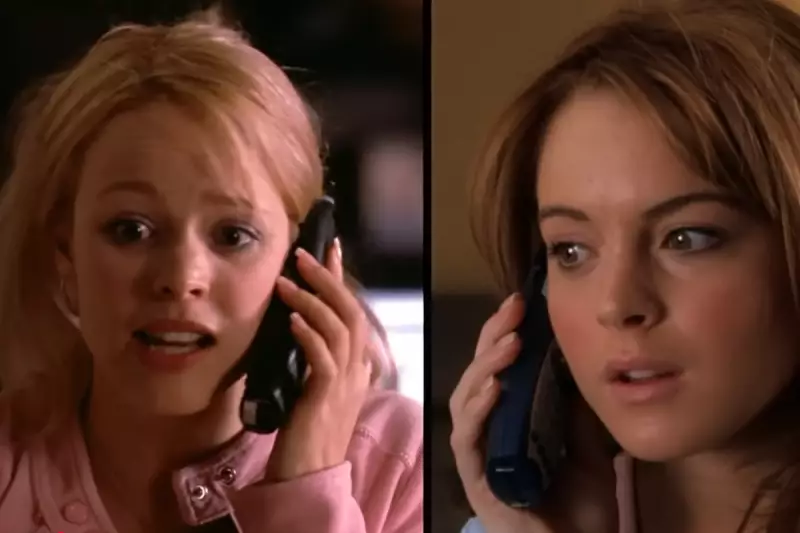
The way we communicate has undergone a quiet revolution. What began as a convenient pandemic-era workaround has solidified into a primary channel for millions: the voice note. New data reveals the staggering scale of this shift, prompting questions about its impact on the fundamental art of conversation.
The Unstoppable Rise of the Voice Memo
Global research from Statista, polling 14,000 respondents, shows that the average person now spends almost 150 hours per year sending and receiving voice notes. In the UK alone, adults record an average of six per day. The most eye-catching statistic? A colossal nine billion voice notes are sent worldwide every single day.
This marks a dramatic turnaround from the pre-pandemic era. While the traditional voicemail has faded into obsolescence, the informal, app-based voice note has exploded. For many, like journalist Helen Coffey who recalls her first suspicious encounter with a 'vn' in 2020, they have become second nature. The benefits are clear: they convey tone and emotion lost in text, and hearing a loved one's voice can foster a sense of connection across distances.

From Convenience to Chore: The Downsides of Digital Monologues
However, as adoption has soared, so have the drawbacks. The research indicates that not only has the frequency of voice note interactions increased by 7% year-on-year, but their average length has also grown by 8%. This has led to engagement issues. Over half (55%) of those surveyed admit they often forget to listen to voice notes, while 22% report feeling bored by long recordings, and 15% describe listening as a chore.
More critically, this form of communication is inherently one-sided. It is a soliloquy, a broadcast, rather than a dialogue. The recipient has no opportunity to interject or respond in real time. Consequently, 76% of people believe voice notes tend to be self-involved. This shift is correlating with a decline in traditional phone calls, particularly among younger people. A 2024 USwitch survey found that a quarter of 18-34 year-olds in the UK never pick up inbound calls.
Is the Art of Conversation Under Threat?
The most significant concern is the potential erosion of real-world conversational skills. Statista's data suggests over half (52%) of people feel voice notes are replacing in-person interactions, a figure that rises to 60% among Gen Z. Nearly half (49%) of respondents confessed to having spent an entire evening sending voice notes to a friend instead of meeting up, despite 54% acknowledging their most fulfilling conversations happen face-to-face.
This trend may be fostering a more transactional style of communication, even in person. The nuanced dance of a real conversation—with its active listening, follow-up questions, and real-time feedback—risks being supplanted by a series of monologues. Science underscores the value of this interaction: studies show that engaged listening and thoughtful responses lead to higher satisfaction and connection.
Voice notes are not the enemy. They are a powerful tool for maintaining bonds in a busy world. The key, experts suggest, is to ensure they remain a supplement to genuine conversation—an in addition to, not an instead of. As we navigate this new communicative landscape, the challenge is to harness the convenience without sacrificing the irreplaceable art of talking, and listening, to each other.