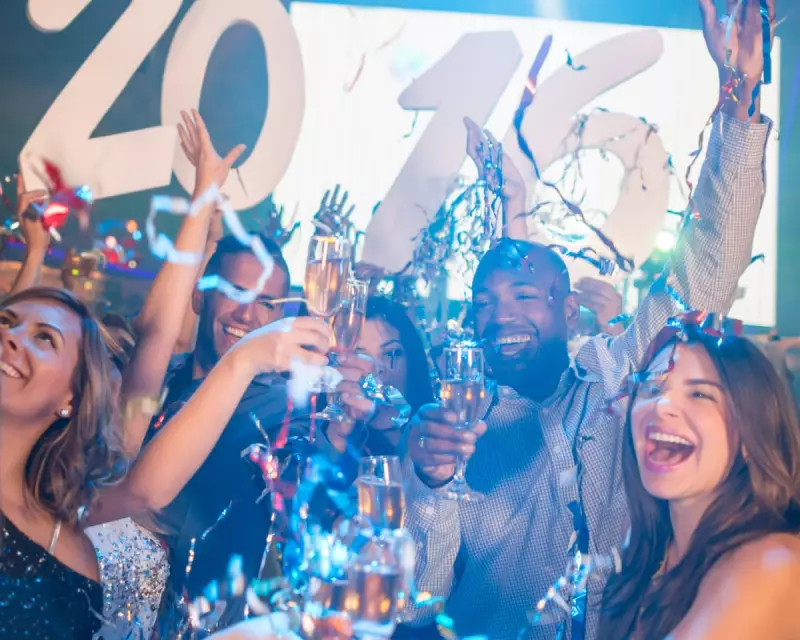
A new viral movement sweeping TikTok is urging a generation to turn back the clock. Dubbed 'Bring Back 2016', the trend encourages young users, predominantly Generation Z, to 'live 2026 like it's 2016'. The call to arms is fuelled by a potent mix of nostalgia for fidget spinners, the Mannequin Challenge, and the carefree digital aesthetics of that era.
What Does 'Bring Back 2016' Actually Mean?
The trend is a curated blast from the past, resurrecting the specific pop culture touchstones of the mid-2010s. Content under the hashtag revels in the dances, challenges, and tech fads that defined the year. This includes everything from the bottle flip and dabbing to the global phenomenon of Pokémon Go and the ubiquitous Snapchat dog filter.
Fashion and beauty tutorials labelled '#vintagemakeup' hark back to 2016 styles, while users express longing for a time of 'low-effort aesthetics'. The romanticised memory is of an internet where videos didn't require professional editing, personal branding was less intense, and online life felt less politically charged and divisive.

More Than Just Retro Fun: A Generation's Melancholy
While on the surface it appears to be typical, lighthearted retro fun, a more poignant message underpins much of the content. For many creators, 2016 is framed as 'the last good year' before a cascade of 'unprecedented times'. It is nostalgically cast as a final chapter of optimism before major global and political shifts.
This is particularly evident in posts reminiscing about Pokémon Go, wistfully recalling a time when strangers interacted outdoors. The sentiment that their best years are already behind them, expressed by people often in their mid-20s, strikes a profoundly sad note. As commentator Coco Khan observes, it's 'very depressing' to see a generation sound like pensioners mourning lost youth.
The Selective Memory of Internet Nostalgia
This curated nostalgia, of course, involves a healthy dose of revisionism. The trend glosses over the fact that, even in 2016, the internet had its dark sides and high-stakes pile-ons. Furthermore, the perceived political calm is largely an American perspective, overlooking the deeply divisive Brexit referendum held in June 2016 in the UK.
Yet, as with all nostalgic waves—from mid-century modern furniture to 1980s fashion revivals—the trend trades not in historical accuracy, but in 'vibes'. The vibe of 2016, as presented on TikTok, is one of simplicity and unselfconscious fun, a stark contrast to the often-performative and anxious online culture of today.
The rise of this trend poses a question for older internet users. While systemic issues like housing and debt may be intractable, perhaps there is a role to play in making the digital world a kinder, less polished, and more playful space. The ultimate goal shouldn't be to make 2026 into 2016, but to ensure 2026 becomes a year worth remembering for all the right reasons.