









Entertainment

Earl Spencer Marries Archaeologist in Secret Arizona Ceremony
Earl Spencer, Princess Diana's brother, married archaeologist Professor Cat Jarman in a secret ceremony in Arizona. The couple met during a dig at Althorp.





Politics

Quentin Willson Leaves £1.9 Million Estate After Death at 68
Former Top Gear and Fifth Gear presenter Quentin Willson left an estate worth nearly £1.9 million following his death from lung cancer at age 68.



Sports
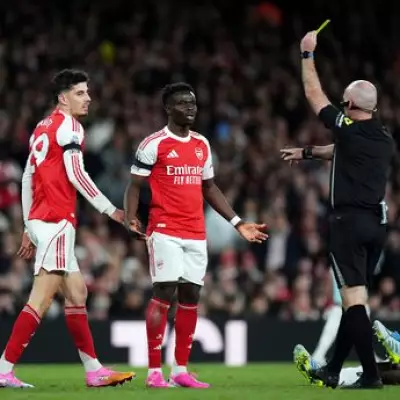
Premier League explains Arsenal red card controversy as Gary Neville slams Havertz tackle
Gary Neville says Kai Havertz was 'lucky' to avoid a red card for a tackle on Burnley's Lesley Ugochukwu. VAR confirmed the yellow card, but Neville disagreed.



Crime

Brisbane GP Charged With 148 Counts of Rape and Sexual Assault
Dr Stellios Theodoros, 74, faces 94 rape and 54 sexual assault charges for alleged attacks on 15 women between early 2000s and 2015.







Health



Weather

China Floods: 12 Dead as Heavy Rains Trigger Disaster
At least 12 killed in China as torrential rains cause widespread flooding, landslides, and disruptions across southern and central regions.

Asteroid 2026 JH2 Makes Close Flyby of Earth
A newly-discovered asteroid, 2026 JH2, passed within 91,000 km of Earth on Monday evening, closer than the Moon and some satellites. No risk to Earth.
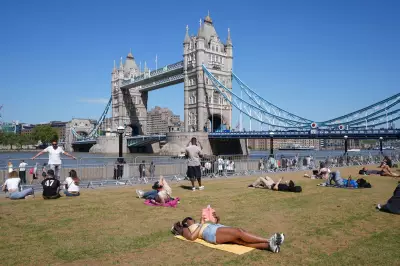
UK hotter than Athens: 26C forecast for bank holiday
The UK is set to be hotter than Athens on Friday as temperatures hit 26C in London. The Met Office predicts warm weather through the bank holiday weekend.
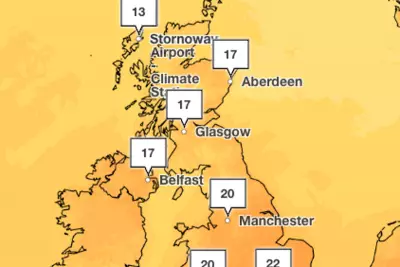
UK Heatwave: Counties Set for 26C Bank Holiday Weekend
The UK is set for a scorching bank holiday weekend with temperatures reaching 26C in some counties. The Met Office predicts warm weather from Thursday, with highs in central and eastern England.
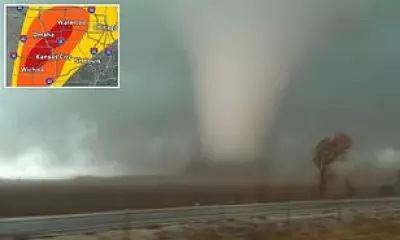
Midwest Braces for Tornadoes and Flash Floods
A major storm system threatens tens of millions in the Midwest with deadly flash floods and intense tornadoes, with warnings across multiple states and potential for 40-50 tornadoes.
Monday Sports Challenge: Football, Cricket & Rugby Questions
Start your week with our Monday sports quiz featuring 100 questions about British football, cricket, and rugby. How well do you know these popular UK sports?
