The return of three Chinese astronauts from the Shenzhou-20 mission has been postponed after their spacecraft was suspected to have been struck by a small piece of orbital debris, Chinese state media reported. The astronauts, who flew to the Tiangong space station in April, were scheduled to return on Wednesday after a six-month mission.
The China Manned Space Agency stated that an assessment of the impact and associated risks is under way, and the return has been delayed to ensure the health and safety of the crew. The replacement crew, Shenzhou-21, arrived at the station over the weekend.
Authorities have not disclosed when the incident occurred. Earlier this week, state media reported the two crews enjoyed a meal of baked chicken cooked in the station's first oven, delivered by Shenzhou-21. On Tuesday, a handover ceremony was conducted, with videos shared on social media.

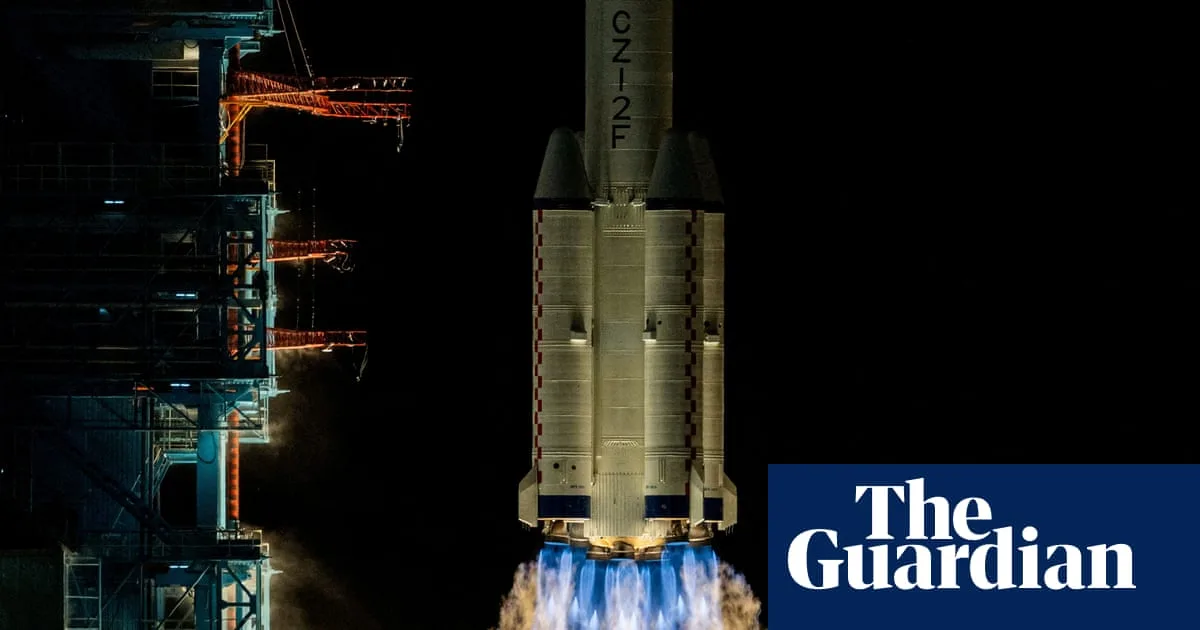
Yu Jun, a popular aerospace commentator, suggested that if the risks are deemed too high, authorities could activate a backup plan involving a waiting spacecraft. 'Shenzhou-22 and the Long March 2F launcher were already on standby. This is our rolling backup mechanism,' he said on Weibo.
China has steadily advanced its manned space program, with 37 flights and six manned missions, and aims to land astronauts on the moon by 2030. The Shenzhou-20 commander, Chen Dong, holds the Chinese record for longest cumulative spaceflight at over 380 days and the most spacewalks by a Chinese astronaut.