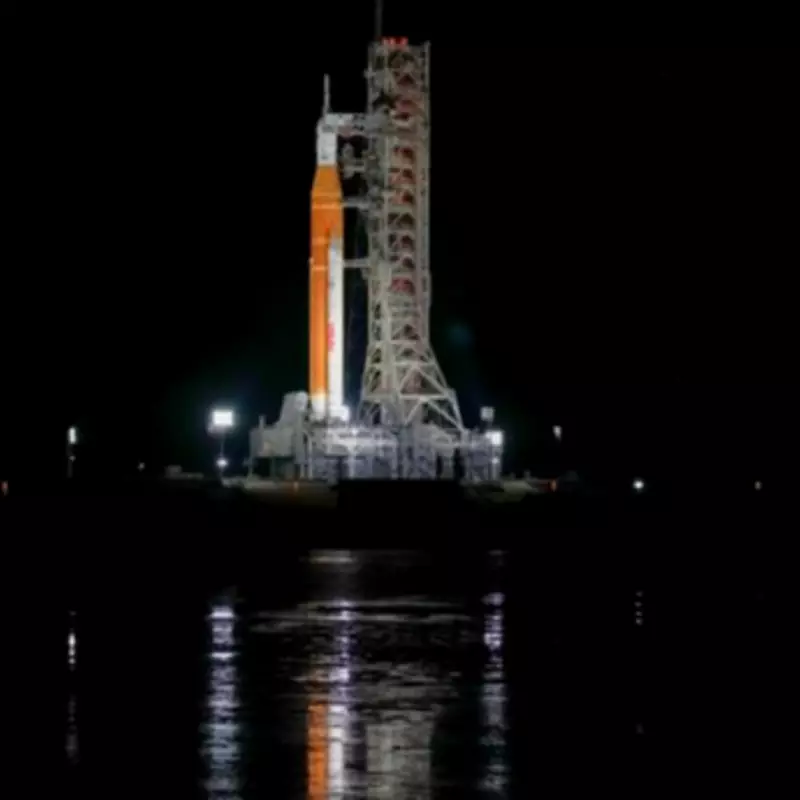
NASA's highly anticipated Artemis 2 moon mission has encountered a substantial setback, with officials announcing a delay following the discovery of a critical liquid hydrogen leak during recent testing procedures.
Testing Reveals Major Technical Issue
The space agency confirmed that routine pre-launch checks uncovered this significant problem, which involves the spacecraft's propulsion system. Liquid hydrogen serves as a crucial fuel component for the mission, and any leakage poses serious safety and operational concerns that must be thoroughly addressed before proceeding.
Revised Launch Timeline
As a direct result of this technical fault, NASA has revised its schedule, now targeting March for the earliest possible launch window. This postponement represents a notable shift from previous timelines, underscoring the complexity and precision required for such ambitious space exploration endeavours.

The Artemis 2 mission represents a pivotal step in NASA's broader lunar exploration programme, designed to carry astronauts around the moon and back to Earth. This delay highlights the inherent challenges and rigorous safety protocols involved in preparing for crewed spaceflight missions.
Implications for Space Exploration
While frustrating for space enthusiasts and scientists alike, such delays are not uncommon in the aerospace industry, where meticulous attention to detail can prevent catastrophic failures. NASA engineers are now focused on diagnosing the exact cause of the leak and implementing necessary repairs and modifications.
The agency maintains that safety remains the absolute priority, and no launch will proceed until all systems meet stringent operational standards. This incident serves as a reminder of the technical hurdles that must be overcome as humanity prepares to return to lunar exploration after decades of absence.