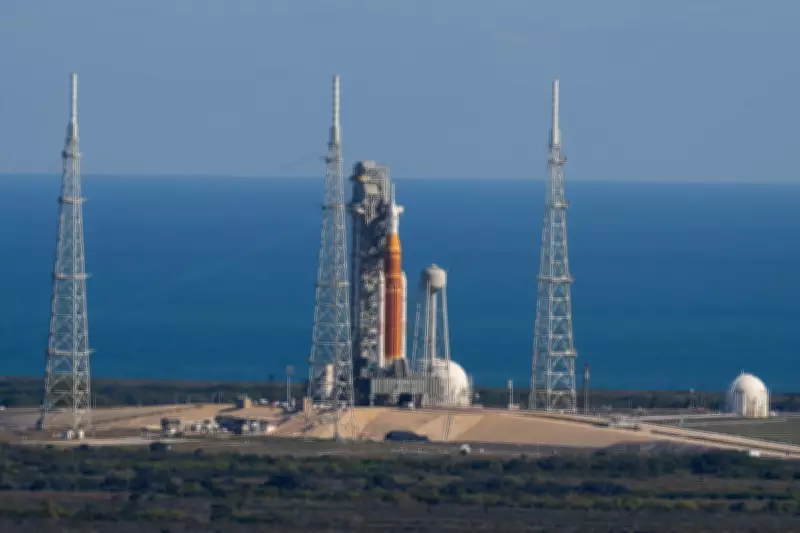
NASA has commenced a vital two-day practice countdown for its first crewed moonshot in more than half a century, marking a significant milestone in the agency's renewed lunar ambitions. The dress rehearsal, which began on Saturday, is a critical prelude to the fueling of the powerful new Space Launch System rocket, with the outcome determining the launch schedule for a historic lunar flyby mission.
Quarantined Crew Prepares for Historic Journey
Commander Reid Wiseman and his crew, already in quarantine to prevent illness, are poised to become the first humans to launch toward the moon since the final Apollo mission in 1972. The astronauts will monitor the practice countdown from their base in Houston before travelling to Florida's Kennedy Space Center once the rocket receives clearance for flight.
Rocket Testing and Launch Timeline
The towering 322-foot Space Launch System rocket was moved to the launch pad two weeks ago in preparation for this crucial testing phase. If Monday's fueling demonstration proceeds successfully, NASA could attempt an actual launch within a week. During the test, teams will fill the rocket's tank with more than 700,000 gallons of super-chilled propellant, stopping the countdown just thirty seconds before the engines would typically ignite.

A recent cold spell delayed both the fueling demonstration and the potential launch by two days, with February 8 now representing the earliest possible launch date. This meticulous preparation underscores the complexity and precision required for human spaceflight missions.
Mission Profile and Historical Context
The four astronauts, representing both the United States and Canada, will travel inside the Orion capsule mounted atop the massive rocket. Their mission involves hurtling around the moon before returning directly to Earth without stopping, culminating in a Pacific Ocean splashdown after nearly ten days in space.
This mission represents NASA's first crewed lunar endeavour since the Apollo program, which sent 24 astronauts to the moon between 1968 and 1972, with twelve of those explorers actually walking on the lunar surface. The current mission marks a new chapter in lunar exploration, testing systems and procedures for future sustained presence on and around the moon.