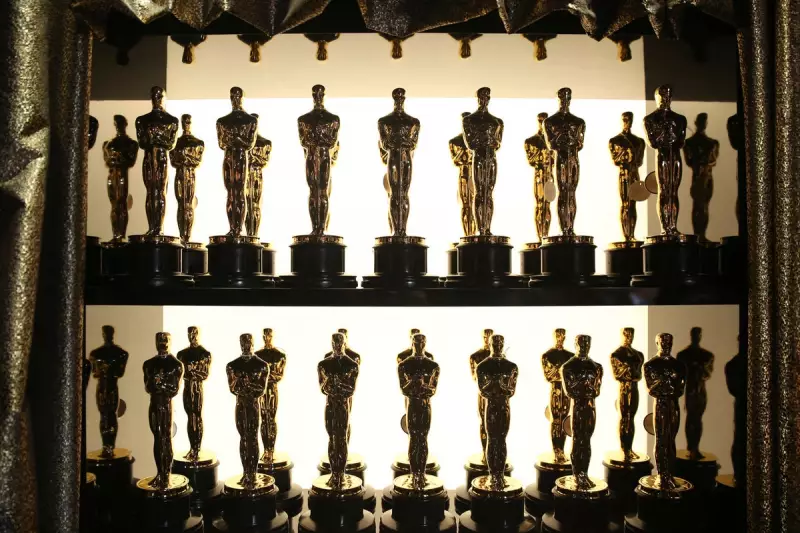
In a landmark shift for broadcast history, YouTube has secured the exclusive rights to livestream the Academy Awards ceremony from 2029. The deal, announced this week, ends a 53-year association with the Disney-owned ABC network, which has broadcast the event since 1976.
A Historic Shift in Broadcasting
The streaming giant outbid traditional broadcasters for the privilege, with the key promise that the Oscars ceremony will be streamed live and for free. Academy Awards CEO Bill Kramer stated the primary goal is to reach a larger, more international audience. This move is a stark symbol of the ongoing streaming-led disruption convulsing the traditional television industry.
The Oscars, first televised by NBC in 1953, have faced a well-documented long-term decline in viewership. While last year saw a minor ratings bump, the trend has been downward for years. The downturn has even attracted commentary from figures like former US President Donald Trump, who in 2018 gloated about the "lowest rated Oscars in HISTORY," whimsically blaming a lack of modern stars.

The Challenge of Modern Attention Spans
The core challenge for the Oscars is a modern one: time and attention. While dedicated film fans in the UK and elsewhere may stay up into the early hours to watch the Los Angeles event live, the appeal of a three-hour broadcast is limited. Most viewers are primarily interested in the major categories—Best Film, Director, and the acting awards—alongside the fashion highlights and occasional unscripted moments.
This is where YouTube's strategy becomes clear. The platform, launched just 20 years ago, plans to slice the broadcast into short-form clips for social media. This approach is designed to capture eyeballs where they already are, driving advertising revenue and potentially promoting YouTube's own premium services. For Hollywood, the deal offers a crucial chance to globalise its audience as domestic American interest wanes.
A Troubled Industry Seeks a Lifeline
The YouTube deal arrives at a precarious time for the traditional film industry. Over a century after the iconic "Hollywoodland" sign was erected, the business faces multiple threats. The hostile attempted takeover of Warner Bros by Paramount threatens to reduce studio competition, risking job losses and less creative choice for consumers.
Furthermore, the corrosive rise of AI and a general decline in cinema attendance plague the sector. Despite occasional blockbusters like Zootropolis 2, studios struggle to fill theatres. Critics argue a relentless diet of sequels and franchise films has turned audiences away, but consumers have also been shunning original content, creating a vicious cycle that stifles creativity.
Ultimately, the future is undeniably streamed. YouTube's Oscars coup is a savvy business move for the platform. For movie fans, it might just be a welcome intervention if a more accessible, digitally-native ceremony helps drive renewed interest in cinema itself, encouraging more people back through the doors of their local picture house and making novel film ideas commercially viable once more.