Thousands of people in Britain's most remote areas will find it easier to contact loved ones this festive season, thanks to a major upgrade of the country's mobile network. More than 100 new mobile masts have been enhanced to deliver 4G connectivity to rural communities that have long suffered from poor signal.
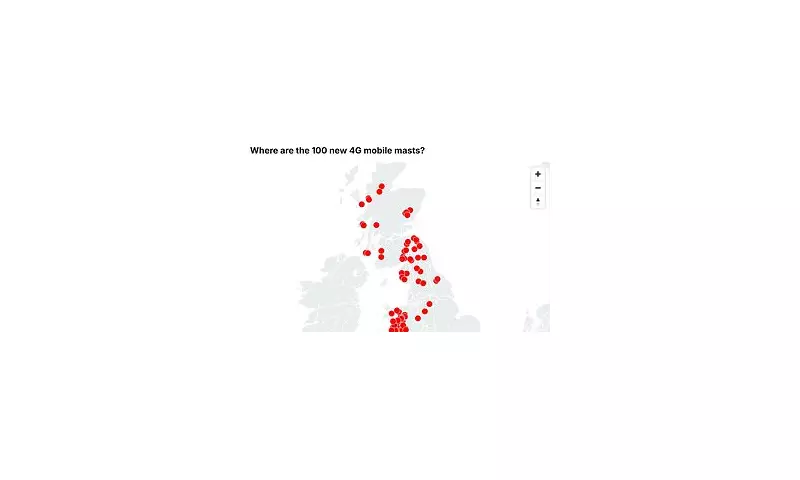
Where the New 4G Signal is Rolling Out
The government's Department for Science, Innovation & Technology (DSIT) confirmed that 105 masts have been upgraded as part of the ongoing Shared Rural Network (SRN) initiative. The improvements are geographically spread, with 44 located in Wales, 33 in Scotland, and 28 in England.
This expansion is not just a minor boost. Collectively, the new infrastructure will provide high-speed connections to approximately 9,500 premises and 400 businesses. The area set to benefit covers more than 1,550 square miles (4,000 square kilometres), a region two and a half times the size of Greater London.

The Shared Rural Network: Closing the Digital Divide
This progress is delivered through the Shared Rural Network, a £1 billion joint programme between the UK government and mobile operators EE, Virgin Media O2, and VodafoneThree. Launched in 2020, the scheme aimed to tackle 'partial not-spots'—areas covered by only one provider—with £500 million from operators, matched by up to £500 million in government funding.
The goal was to extend geographic 4G coverage to 95% of the UK by 2025. The project is ahead of schedule, with coverage now reaching 96% of the country, up from 92% in 2021.
Telecoms Minister Liz Lloyd stated: "More of Britain's rural communities are finally getting the connection they've been waiting for as we deck the hills with 4G coverage." She added that the upgrades mean "businesses can ring up sales, families can video call their loved ones this Christmas without buffering mid-conversation."
Impact on Communities and Remaining Challenges
The benefits are tangible. The SRN has already provided coverage for 280,000 homes and 9,900 miles of roads, improving connectivity for residents, businesses, and emergency services. DSIT also highlights a boost for rural tourism, allowing visitors to national parks like Eryri and the Lake District to stay connected.
However, disparities remain. While England enjoys relatively comprehensive coverage, with at least 83% of regions covered by all four major providers, other areas lag.
- Only 70% of Scotland is forecast to have full coverage from all four providers.
- In the Highlands and Islands, this figure drops to just 63%, though this is a significant rise from 26% before the SRN.
- In Mid and West Wales, 74% will have coverage from all four, improved from 51%.
Ben Roome, CEO of SRN delivery partner Mova, emphasised the timing: "Christmas is a time for connection and this year more rural communities than ever can share that spirit." He noted the 100th activated site in Llanfair, on the England-Wales border, symbolises this progress.
Residents can check if their area has received a signal boost by consulting the government's interactive map. As the 2025 deadline approaches, this infrastructure push is steadily transforming connectivity for some of the UK's most isolated communities.