Devon Village Isolated as Storm Washes Away Vital Coastal Road
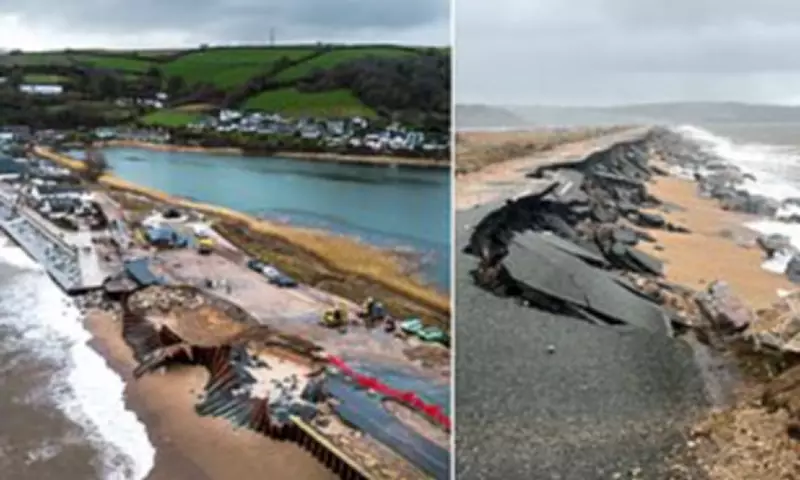
Residents of the coastal village of Torcross in South Devon have been left stranded after Storm Imogen destroyed a critical section of the A379 road, severing their connection to the outside world. The storm, which battered the region earlier this month with 12-foot waves and 60 mph winds, swept approximately 200 metres of the road into the sea, leaving the community facing an uncertain future and a daunting £18 million repair bill.
Historic Pub and Homes Damaged in Deluge
The road was not the only casualty of the severe weather. Gail Stubbs, landlady of the historic Start Bay Inn, saw her pub and several neighbouring houses severely damaged by the deluge. Windows and roofs were smashed by rogue waves that crashed over the sea wall, flooding alleyways with waist-deep water. Despite boarded-up windows, the inn remains defiantly open, but Mrs Stubbs fears for its survival, noting that her business could decline by up to 50 percent due to limited access.
The 47-year-old publican expressed her concerns: "We predict that our business could be down by up to 50 per cent - we don't know whether to start hiring for the summer season or not. The damage to the village has been quite severe, and if it carries on, we may not even be here physically anymore. I'm really not sure how many more storms the village can sustain."

Precarious "Slapton Line" and D-Day History
The affected road, nicknamed 'The Slapton Line', runs a precarious two-mile stretch along a narrow shingle bar between Torcross and nearby Slapton. This area holds historical significance, having been used for rehearsals of the D-Day landings during World War II due to its resemblance to Utah Beach in Normandy. Now, it resembles a warzone more than ever, with the storm lowering the beach by 6.6 feet—equivalent to over six years of erosion in a single event.
Professor Gerd Masselink, a coastal geomorphology expert at the University of Plymouth, described the damage as "the biggest change that's happened here in the last 10 years." He warned that this is part of an ongoing trend of erosion along the south coast, with gravel and sand shifting from western to eastern ends, leading to increased flooding and instability.
Economic and Logistical Nightmare for Locals
The road collapse has created a logistical nightmare for the 300,000 holidaymakers who typically visit the South West each summer. Access to Torcross is now severely limited, with only one remaining road forcing drivers onto narrow country lanes, resulting in massive detours. A school bus service has been implemented for children, but what was once a 10-minute journey to Dartmouth now takes 45 minutes, raising concerns about access to doctors, chemists, and emergency services.
Mrs Stubbs recounted her own experience: "I made the drive with my partner and had to stop and reverse 22 times on the trip to let other cars pass." This disruption has already led to holidaymakers cancelling bookings, exacerbating the economic strain on local businesses.
Funding Crisis and Community Frustration
The £18 million repair cost far exceeds the budget of the Liberal Democrat-run Devon County Council, leaving hopes pinned on central government funding from the new £1 billion Structures Fund. However, confidence is low, as this is not the first time the Slapton Line has collapsed—it previously failed in 2001, 2016, and 2018, with the government yet to commit to another repair.
At a heated village hall meeting, locals voiced their anger and proposed resourceful solutions, including an Army-built pontoon bridge, reallocating funds from the foreign aid budget, implementing a toll road, or creating a kelp bank for coastal protection. Local Lib Dem councillor Dan Thomas highlighted the broader issue: "It's difficult when you have a road right next to the sea. Highways authorities nationwide don't have enough money as it is, never mind roads like this."

Long-Term Coastal Challenges and Government Response
Professor Masselink emphasised the long-term challenges, stating: "We're going to see increased flooding, we're going to see erosion on beaches that used to be stable. We can't keep defending coastlines for the next 20, 30, 40 years. Unless we start casting the whole coast in concrete, we have to start retreating." Over the past 20 years, the beach has fallen by 20 feet, underscoring the severity of coastal erosion.
A Department for Environment, Food & Rural Affairs spokesperson responded: "We're committed to supporting coastal communities through our record investment of £10.5bn in protecting against flooding and coastal erosion by 2036, benefitting nearly 900,000 properties. In addition, having inherited flood defences in the worst condition on record, we have reprioritised more than £100m into urgent maintenance works to make sure defences are properly maintained."
Despite these assurances, repairs to the A379 may not be completed until 2027, leaving Torcross residents in limbo. With the village's 600-year history at risk and no immediate solution in sight, the community braces for more storms and an uphill battle to secure the necessary funds for recovery.