South-eastern Australia is confronting a severe and dangerous heatwave, with Victoria facing catastrophic bushfire conditions reminiscent of the devastating Black Summer. The state is under a total fire ban as temperatures soar and emergency services warn of uncontrollable blazes.
Dire Warnings and Extreme Conditions
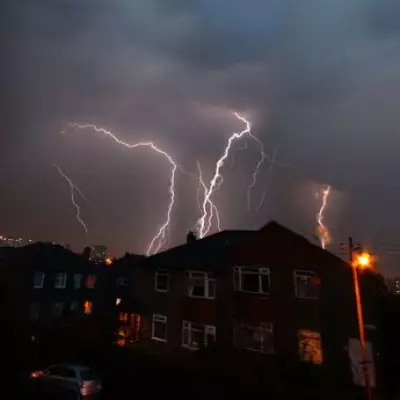
On Friday, catastrophic and extreme fire danger ratings were declared across Victoria, with the entire state subjected to a total fire ban. Similar extreme conditions threatened large parts of South Australia and the Riverina region in New South Wales. Victoria's Emergency Management Commissioner, Tim Wiebusch, stated that fires under these conditions could be "unpredictable, uncontrollable and fast-moving," fuelled by a dangerous combination of extreme heat, damaging winds, and the risk of dry lightning.
The Bureau of Meteorology forecast Melbourne's maximum temperature to reach 43 degrees Celsius, with some suburbs potentially hitting 45C. Inland areas experienced even more intense heat. The CFA's Chief Officer, Jason Heffernan, described the conditions as "dire," warning of potential wind gusts of up to 100km/h.

Record-Breaking Heat and Active Blazes
The heatwave has shattered records across the region. On Thursday, numerous locations recorded their hottest January temperatures ever. In South Australia's Riverland, Renmark reached a scorching 47.3C and Loxton hit 46.2C. Tarcoola, in SA's far north, endured 48.2C. Victoria's Hopetoun in the Mallee region recorded 46.3C.
Senior meteorologist Sarah Scully noted that the heatwave brought little relief overnight, with extremely warm nights compounding the stress. Renmark's minimum temperature only dropped to 30.9C. "People need to take action to stay cool, hydrated and stay indoors where possible," Scully advised.
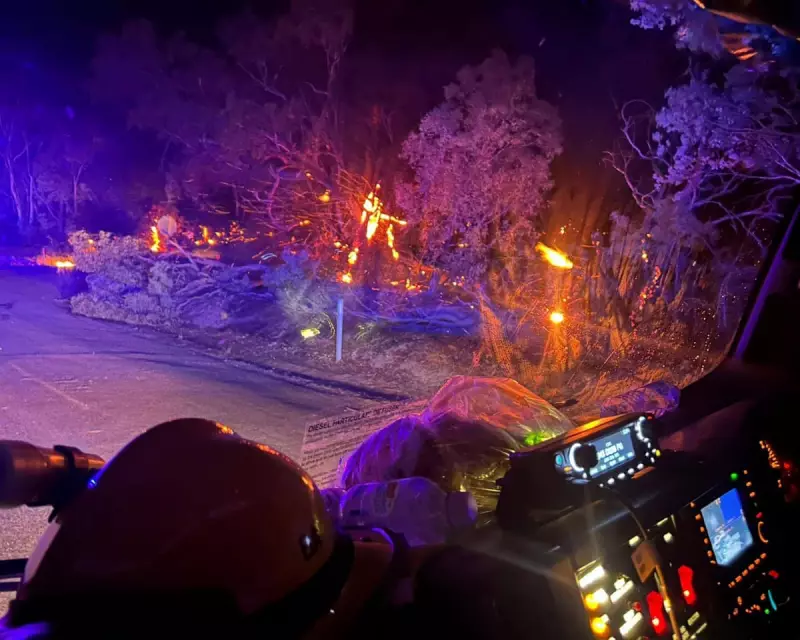
Several bushfires were already burning out of control, including blazes at Longwood and Walwa in Victoria. Catastrophic fire danger was specifically forecast for the north central, northern country, south-west and Wimmera districts. The central district, encompassing Melbourne and Geelong, was on the brink with a fire danger rating of 99; a rating of 100 or more is considered catastrophic.
Climate Drivers and Nationwide Impact
Adjunct Professor Andrew Watkins, a climate expert at Monash University, highlighted the unusual nature of such extreme heat and fire conditions during a La Niña summer. "Normally we would be more worried about floods with those climate drivers," he said. He pointed to the strongest stratospheric warming above Antarctica since 2019 and the overarching impact of climate change as significant contributing factors.
The extreme weather event is widespread. Heatwave warnings remained active for all states and territories except Queensland. Total fire bans were also in place for 11 of 15 fire districts in South Australia and four in New South Wales. Tasmania declared a total fire ban for its south and the Furneaux Islands from Saturday, with elevated fire risk expected.
A cool change was anticipated to move through south-western Victoria in the early afternoon, reaching Melbourne between 6pm and 7pm. However, this front was predicted to push heat and gusty winds into south-eastern NSW, elevating fire dangers there on Saturday, with Sydney forecast to reach 42C.
Meanwhile, north-east Queensland is under a severe weather warning due to a tropical low threatening to develop into a cyclone, bringing flood risks. The nation experienced its fourth-warmest year on record in 2025, with average temperatures 1.23C above the national baseline, underscoring the long-term trend of a warming climate.