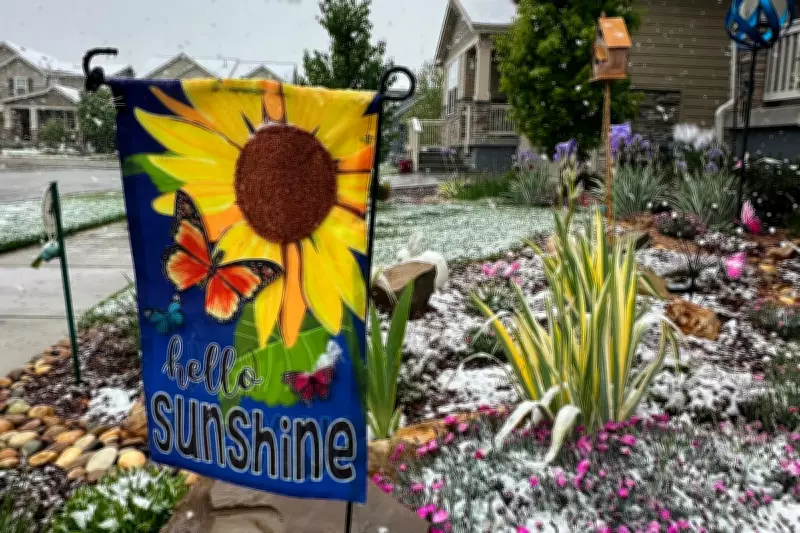
While some Americans are enjoying tulips and mowing lawns, residents of Colorado and Wyoming are preparing for a late-spring snowstorm that could bring Denver's biggest snowfall of the season. The storm is set to sweep over the Rocky Mountains and High Plains, with rain expected to turn to snow in the Denver area by Tuesday night, potentially delivering up to 8 inches (20 centimeters). Higher elevations might see as much as a foot (30 centimeters), according to the National Weather Service.
Unusual but Not Unprecedented
Denver typically sees its last snowfall around April 28, but May storms are not unheard of. The city recorded half an inch of snow on May 21, 2022, while nearby Boulder received 4.5 inches. Historically, Denver has experienced at least five May storms with snowfall exceeding 10 inches, the largest being 15.5 inches in 1893. The most recent double-digit snow was May 25-26, 1950, with 10.7 inches. A light dusting on June 2, 1951, marked the latest snowfall on record.
Impact and Preparations
The snow is expected to continue into Wednesday, followed by plunging temperatures and a widespread freeze overnight. The heavy, wet snow could snap tree branches and cause power outages, warned meteorologist Kenley Bonner. Utilities are preparing, with Xcel Energy placing 165 employees on standby across the state. Bonner noted that after the driest winter on record, the late arrival of winter snow was anticipated.

Drought Relief but Not a Solution
April was warmer and drier than usual, with Denver missing an inch of rain and 2.8 inches of snow compared to normal. While the storm is welcome during a drought, it won't solve the West's water problems. A report from the National Drought Mitigation Center indicated that recent precipitation improved topsoil moisture and reduced irrigation demands but did not change the mostly bleak water outlook for summer.
Other Weather Events
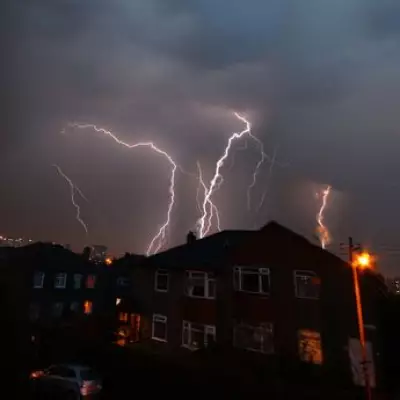
The unsettled weather extends beyond the Rockies. Thunderstorms are expected from northeast Texas into western Tennessee, with Arkansas facing the greatest risk of large hail, damaging winds, and possible tornadoes. Isolated strong storms could also affect parts of the Northeast.