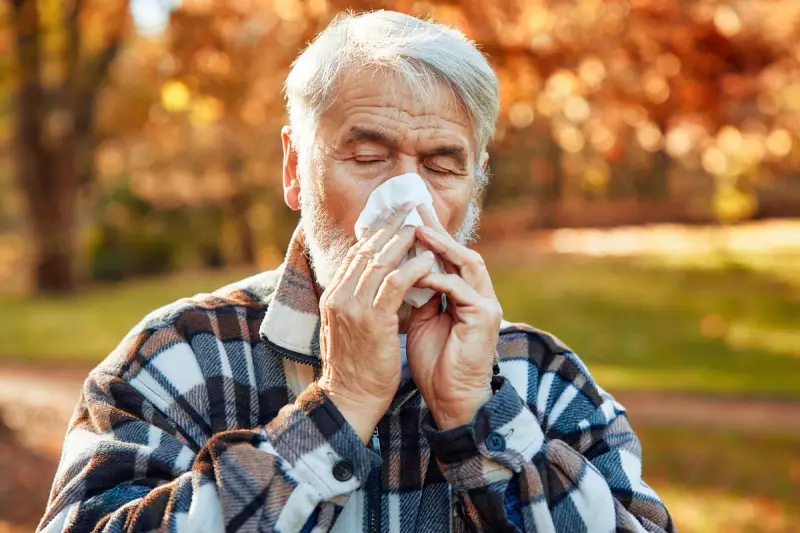
For millions across the UK, the arrival of autumn doesn't just mean crisp air and golden leaves—it signals the start of another gruelling season of sneezing, itchy eyes, and relentless congestion. While often overshadowed by spring hay fever, autumn allergies are a growing health concern, and experts point to climate change as a key culprit intensifying the misery.
The Unseen Triggers of Autumn
Unlike spring allergies, which are predominantly triggered by tree and grass pollen, the autumn season presents a different set of offenders. The primary cause of so-called 'hay fever' during the fall is ragweed pollen. This resilient plant can release billions of pollen grains, which travel effortlessly on the wind, plaguing sufferers even in urban areas.
Furthermore, as leaves fall and decay, they create the perfect breeding ground for mould spores. Damp and humid conditions allow these spores to proliferate, becoming a significant indoor and outdoor allergen that can persist long after the autumn months.
How a Changing Climate is Fueling the Sneeze
The critical link between warmer global temperatures and longer allergy seasons is now undeniable. Rising carbon dioxide levels act as a fertiliser for plants like ragweed, enabling them to grow larger and produce more potent pollen.
Longer growing seasons and milder autumns mean these plants continue to pollinate later into the year. This effectively extends the allergy season, shortening the winter respite that sufferers desperately rely on. The result is more intense and prolonged exposure to allergens, leading to more severe symptoms for a greater number of people.
Recognising the Symptoms
Autumn allergy symptoms often mirror those of a common cold, leading to frequent misdiagnosis. Key signs to look out for include:
- Sneezing and a runny or stuffy nose
- Itchy, watery, or red eyes (allergic conjunctivitis)
- An itchy throat or ears
- Wheezing or coughing, particularly for those with asthma
- Persistent fatigue and feeling unwell
A key differentiator from a cold is the duration; allergy symptoms will persist for as long as the exposure continues, rather than clearing up in a week.
Fighting Back: Tips for Relief
Managing autumn allergies requires a proactive approach. Specialists recommend a multi-pronged strategy:
- Monitor Pollen Counts: Check daily forecasts and try to stay indoors when counts are high, particularly on windy days.
- Keep It Clean: After spending time outdoors, shower and change your clothes to remove pollen. Regularly wash bedding in hot water.
- Create a Safe Haven: Keep windows closed at home and in the car. Use a high-efficiency particulate air (HEPA) filter to clean indoor air.
- Talk to a Pharmacist: Over-the-counter antihistamines, nasal corticosteroid sprays, and decongestants can provide significant relief. For severe cases, a GP may recommend immunotherapy (allergy shots).
While autumn allergies are becoming a more formidable foe, understanding the triggers and implementing effective management strategies can help you reclaim the season and enjoy the beauty of autumn without the discomfort.