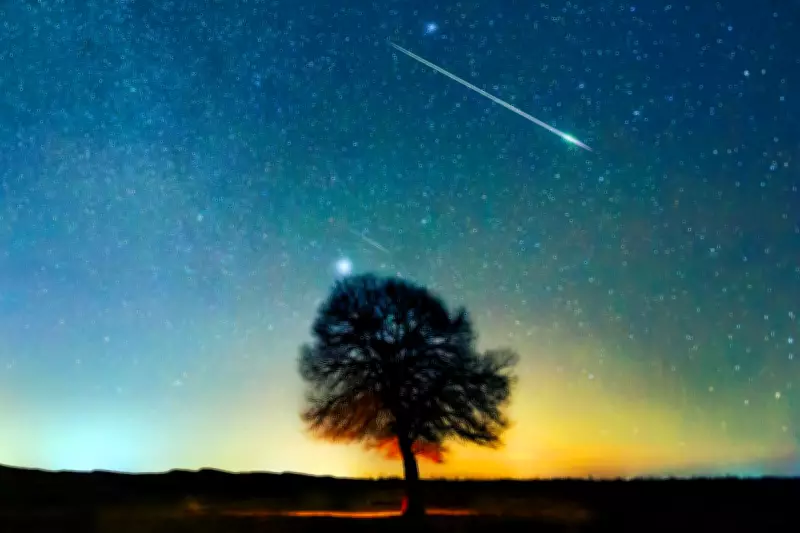
Lyrid Meteor Shower Set to Illuminate Night Skies This Week
The eagerly anticipated Lyrid meteor shower is poised to reach its peak intensity from the night of Tuesday, 21 April, through the early morning hours of Wednesday, 22 April 2026. This annual celestial event promises a breathtaking spectacle for astronomy enthusiasts and casual stargazers alike, with optimal viewing conditions forecast across much of the Northern Hemisphere.
What to Expect During the Peak
Observers under clear, dark skies can anticipate witnessing between 10 and 20 meteors per hour during the shower's climax. The Lyrids are renowned for their bright, fast-moving streaks of light, often leaving persistent glowing trails in their wake. This year's display is particularly favourable, as a slender crescent moon will set before the meteor activity intensifies, ensuring minimal light pollution to obscure the view.
The Lyrid meteor shower originates from the dusty debris trail left by Comet C/1861 G1 Thatcher. As Earth passes through this stream of cosmic particles each April, they burn up in our atmosphere, creating the luminous phenomenon we observe. Historical records indicate that the Lyrids have been documented for over 2,500 years, making them one of the oldest known meteor showers in human history.

Expert Tips for Optimal Viewing
To maximise your chances of enjoying this astronomical show, follow these practical guidelines:
- Timing is crucial: Venture outside after midnight local time, when the radiant point—the Lyra constellation—rises higher in the northeastern sky.
- Seek out locations far from urban centres and artificial lighting. Rural areas, national parks, or elevated vantage points offer significantly darker skies.
- Allow your eyes approximately 15 to 30 minutes to fully adapt to the darkness. Avoid looking at bright screens or lights during this adjustment period.
- Position yourself comfortably, perhaps with a reclining chair or blanket, and scan the entire sky rather than focusing on a single spot. Meteors can appear anywhere.
- While the Lyra constellation serves as the radiant, meteors will streak across all parts of the heavens, so a broad field of view is advantageous.
Weather permitting, this Lyrid meteor shower presents a prime opportunity for both seasoned astronomers and families to connect with the wonders of the night sky. Remember to dress warmly for the overnight hours and be patient—the experience of spotting these ancient cosmic visitors is well worth the wait.