Stellantis Announces Massive €22bn Charge Amid Electric Vehicle Market Realignment
The global automotive giant Stellantis has revealed it will take a staggering €22 billion charge, equivalent to approximately £19.1 billion, after acknowledging it significantly overestimated the speed of the transition to electric vehicles. This substantial financial hit comes as the company, which owns renowned brands including Peugeot, Fiat, Jeep, and Citroën, undertakes a major reset of its business strategy.
Admission of Overestimation and Operational Failures
Antonio Filosa, the Chief Executive of Stellantis, stated that the charges largely reflect the cost of misjudging the energy transition's pace, which has distanced the company from the actual needs and desires of many car buyers. He also pointed to previous poor operational execution, issues that the new management team is now addressing progressively. The company emphasised that this reset is necessary to align with evolving customer preferences and new emission regulations, particularly in the United States.
Of the total €22 billion charge, nearly €15 billion is attributed to realigning product plans with reduced expectations for battery electric vehicles (BEVs) in the US market. This includes cash payments of €6.5 billion to be disbursed over the next four years, highlighting the long-term financial impact of these strategic adjustments.

Cancellation of Key Electric Projects
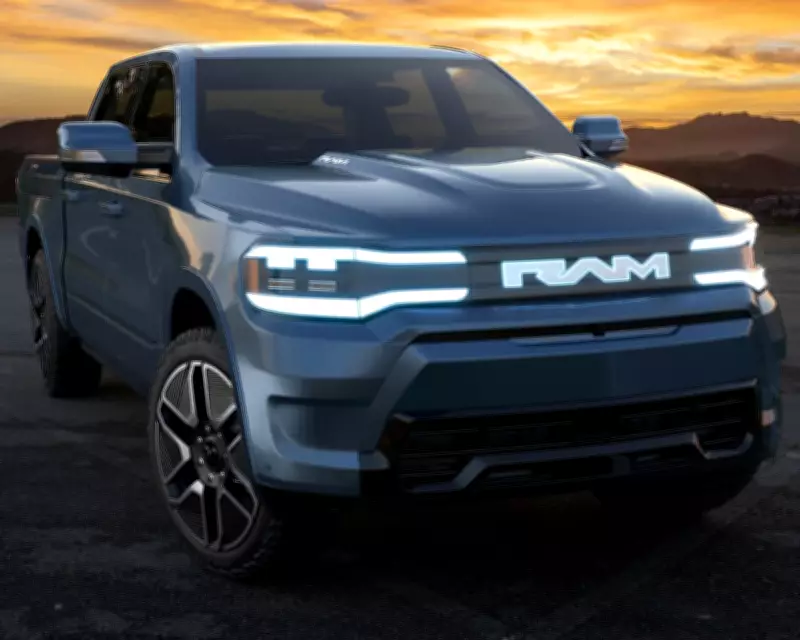
As part of its restructuring, Stellantis has taken decisive actions, including cancelling its previously planned Ram 1500 BEV, an electric truck it had once claimed was set to push boundaries. The cancellation of this and other projects reflects the need to align with customer demand and changes in US regulatory frameworks. While electric vehicle sales have surged in Europe, demand in the US has collapsed following the withdrawal of a $7,500 consumer tax credit under the Trump administration and potential rollbacks of emissions regulations.
Despite these setbacks, Stellantis affirmed its commitment to electric vehicle development, stating it has become a leader in EVs over the past five years. However, the company stressed that this journey must continue at a pace governed by demand rather than command, indicating a more cautious approach moving forward.
Financial and Market Consequences
The announcement triggered a sharp decline in Stellantis's stock, with shares tumbling almost 19% in early trading in Milan, reaching their lowest point since June 2020 and wiping €4.5 billion off its market value. Trading was automatically halted due to the steep drop. In a further move, Stellantis revealed it will not pay a dividend to shareholders in 2026, underscoring the financial strain.
Additionally, the company plans to sell its 49% stake in a battery joint venture in Canada with NextStar Energy to South Korea's LG Energy Solution, as part of its broader strategic overhaul. Filosa reiterated that the focus for 2026 is on closing past execution gaps to foster renewed growth.
Analyst Perspectives and Industry Context
Analysts from Citi noted that while the announcement is significant, it does not include factory closures, suggesting that Stellantis may still need to consider capacity reductions to fully reset its North American and European businesses. They believe that reducing output is likely necessary to address reduced market shares and reset the cost base effectively.
This development places Stellantis alongside other major automakers facing similar challenges. Last month, rival Ford announced a $19.5 billion charge, while General Motors recently reported a $6 billion hit, indicating broader industry struggles with the electric vehicle transition and market dynamics.
As Stellantis navigates this turbulent period, the automotive world watches closely to see how it will adapt to a rapidly changing landscape, balancing innovation with practical market realities.