

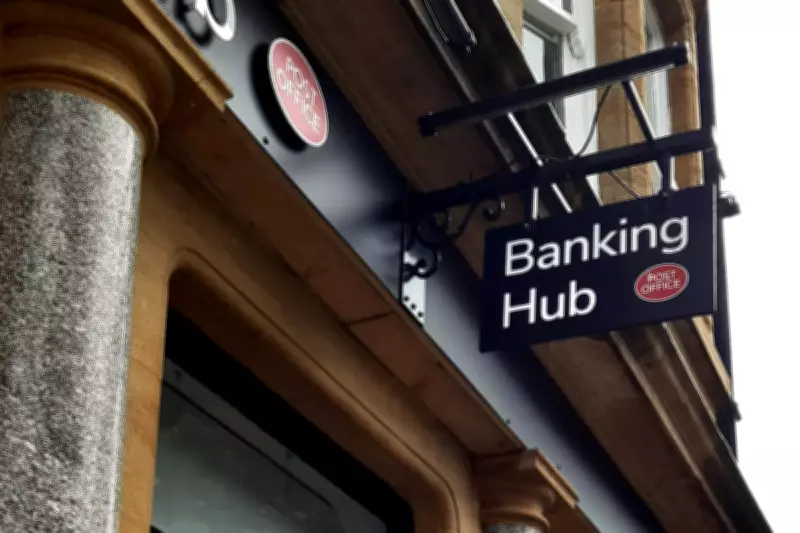
Cash access organisation Link has confirmed recommendations for four new banking hubs, marking a significant milestone as the total number of proposed hubs reaches 250 across the United Kingdom. This announcement comes alongside news that Santander plans to close 44 of its physical bank branches, highlighting the ongoing transformation of Britain's banking landscape.
New Hubs to Serve Communities Facing Branch Closures
The four newly-recommended banking hubs will be established in locations where Santander has announced forthcoming branch closures. Link has identified Leighton Buzzard in Bedfordshire as the site for its 250th recommended hub, with additional hubs planned for Ormskirk in Lancashire, Wilmslow in Cheshire, and Whitehaven in Cumbria. Santander intends to close its branches in these areas by the end of January 2027.
These community banking spaces are designed as shared facilities where customers from multiple banks can conduct their financial transactions in one convenient location. Each hub will feature a counter service accessible to customers of any bank, enabling cash withdrawals and deposits, bill payments, and routine banking operations. Additionally, dedicated spaces will allow customers to consult with community bankers from their own financial institutions, with staff from different banks available on scheduled days throughout the week.

Addressing the Growing Need for Cash Access Solutions
Banking hubs have emerged as a crucial response to the widespread closure of traditional bank branches across the country. As financial institutions continue to reduce their physical presence, these shared facilities help maintain essential cash access for communities that might otherwise be left without local banking services.
John Howells, Chief Executive of Link, commented on the development, stating: "Almost five years ago, the first two banking hubs opened as part of a pilot to see how we could better protect access to cash. We're delighted to announce the recommendation of the 250th hub today. The hubs, alongside other solutions, are making a significant difference and helping communities to readily access and deposit cash with ease."
The progress in establishing banking hubs has been substantial, with Cash Access UK opening the 200th operational hub in Billericay, Essex, in December. There are currently 210 active banking hubs functioning across the UK, demonstrating the growing infrastructure supporting cash access nationwide.
Consumer Advocates Highlight Ongoing Challenges
While welcoming the expansion of banking hubs, consumer advocates have raised concerns about consistency and accessibility. Sam Richardson, Deputy Editor of Which? Money, emphasised the real impact of branch closures on local communities, particularly for customers who depend on in-person services and may not be prepared or willing to transition to digital banking platforms.
Richardson noted: "These recent closures are a reminder that branches are still under threat and it's clear that banking hubs will play a big role in how we manage our money. However, not all hubs provide the same services, meaning some customers can still be forced to travel long distances to access the services they need."
He further called for coordinated action, suggesting that "given the importance of banking services to local communities, the Government and banking industry should work together to plug gaps so consumers can rely on hubs for their banking needs and be ready to increase the target of 350 open hubs by the end of this parliament if needed."
The continued development of banking hubs represents a critical component of the UK's evolving financial infrastructure, balancing the industry's digital transformation with the preservation of essential physical banking services for communities across the nation.






