Amazon Tightens Rules on Influencer Affiliate Earnings
For social media influencers, the opportunity to supplement their income through lucrative Amazon affiliate links has often been too tempting to ignore. However, Amazon executives have now identified and moved to close the loopholes that allowed prominent figures such as Stacey Solomon and Zara McDermott to significantly boost their earnings.
How Affiliate Linking Works and the New Restrictions
Affiliate linking enables the original poster to earn a commission for every product or service sold after customers purchase items through their unique referral link. Influencers typically showcase these products on dedicated 'storefront' pages. Previously, the Daily Mail revealed how Stacey Solomon, aged 36, could add hundreds of pounds to her finances by sharing Amazon product links on Instagram, promoting everything from cozy co-ords and home accessories to expensive electronics.
Recent amendments to Amazon's operating agreement introduce tighter restrictions on how celebrities can generate income from these links, with particular focus on the social media posts used to promote them. These changes, which come into effect on April 14, will likely result in substantial reductions in earnings for many influencers.

Key Changes to Commission Calculations
The updated guidelines stipulate an 'updated calculation of onsite commission income to apply only to Direct Qualifying Purchases of the same ASIN variant as the linked product detail page.' This crucial adjustment means that influencers will now only earn commission if the exact item they link to is purchased.
Previously, stars could earn commission from users who clicked an affiliate link and then bought other Amazon items, even if they didn't purchase the specific product being promoted. This workaround has now been effectively eliminated, representing a significant blow to potential earnings.
Additional Restrictions on Promotional Methods
The new rules also expand 'disqualified purchases to include products purchased by customers referred through any paid or boosted advertisement linking to Amazon, regardless of whether prohibited keywords are used.' Many influencers rely on social media managers and agencies to 'boost' their online content, increasing visibility and click-through rates on affiliate links.
Under the revised guidelines, any posts that have been 'boosted' will no longer be eligible for commission payments. Other changes include a 180-day limit on pre-ordered items, preventing influencers from cashing in on early promotions if buyers cancel their orders before fulfillment.
Enhanced Content Requirements for Promotions
Influencers will also need to expand their social media approach beyond simple product placement photos. The new regulations state that original content must include 'commentary, analysis or transformation for additional value.' This requirement aims to ensure that promotional posts offer genuine engagement rather than mere product placement.
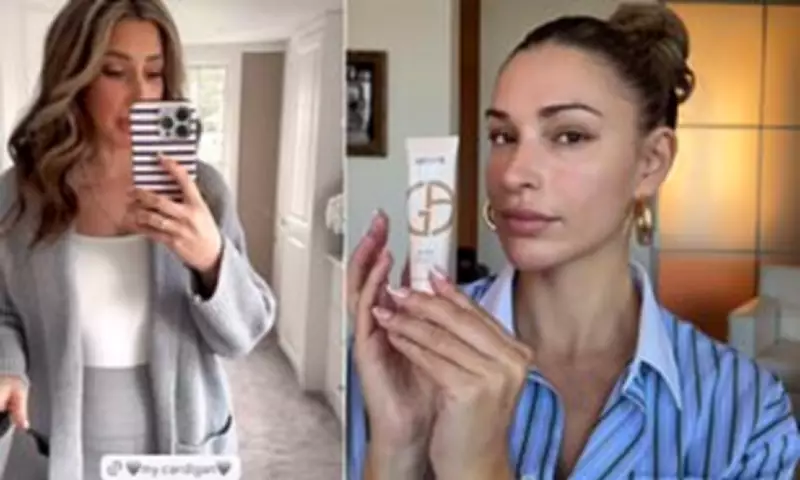
Like Stacey Solomon, Zara McDermott has previously promoted various beauty products through routine Instagram videos, directing followers to her Storefront for purchases. Her promoted items have ranged from £12.99 collagen cream and £32.99 Revlon hair dryers to premium products like a £299.99 coffee machine and £256.00 Le Creuset casserole dish.
Other Influencers Affected by the Changes
Taylor Ward, wife of footballer Riyad Mahrez, has similarly shared posts promoting products such as a £100 LED Face Mask, noting that followers could purchase items through her storefront. Recently, the mother-of-three shared a post featuring a £54.99 baby sleeping bag, following previous promotions for high-value items including a £380 coffee machine.
The Daily Mail has contacted representatives for Stacey Solomon, Zara McDermott, and Taylor Ward for comment regarding these impending changes to Amazon's affiliate program.

Financial Implications for Influencers
Amazon's Affiliate program has proven particularly lucrative for influencers with substantial followings, with items such as clothing, luxury beauty products, and watches offering commissions as high as 6 percent. Even electronics, which typically provide a 2.5 percent commission, and lower-priced beauty and luggage items with 4 percent commissions, have represented significant income streams.
Stacey Solomon previously addressed criticism from trolls who found her affiliate links 'annoying,' insisting she earned very little from them compared to traditional brand advertisements. In a recent clip, she questioned whether the practice genuinely upset people, noting: 'I would earn more if I did an ad with the actual brand than an affiliate link.'
She explained her rationale for using affiliate links: 'It helps me, I do earn a very small commission on it, nothing like what you'd get for an ad campaign but I can find the right one if that makes sense.' However, she expressed willingness to discontinue the practice if it genuinely offended her followers.
The long-term impact of Amazon's new regulations remains uncertain, but they undoubtedly represent a significant shift in how influencers can monetize their social media presence through affiliate marketing.