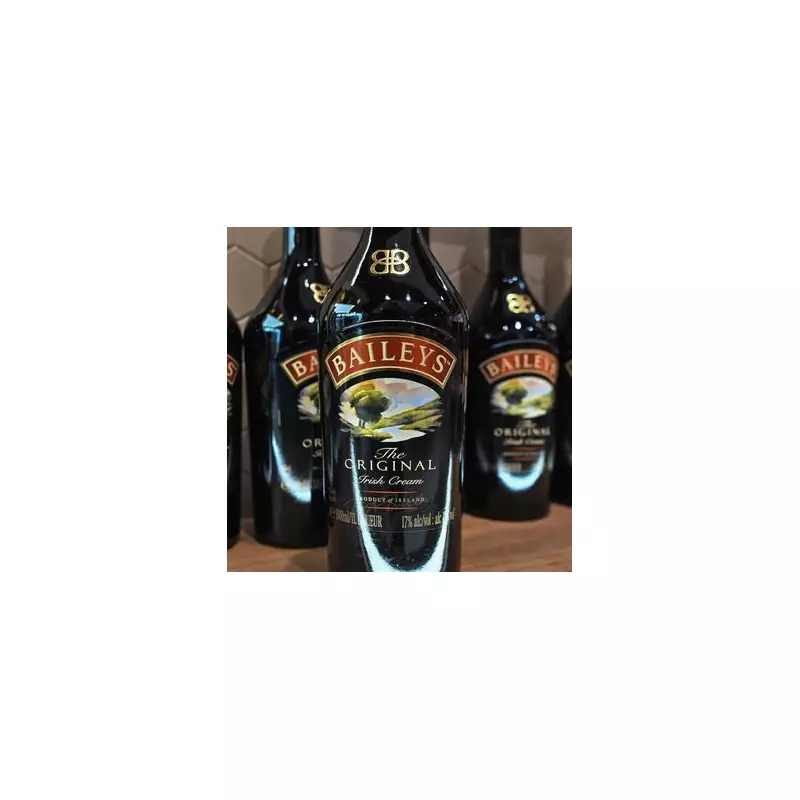
Brits enjoying a festive tipple of Baileys Irish Cream this Christmas are being issued a serious and costly warning: do not pour the leftover liqueur down the sink.
The Festive Hazard in Your Fridge
While the creamy drink is a seasonal favourite, its limited shelf life once opened presents an unexpected problem. Unlike many spirits, an opened bottle of Baileys can begin to spoil after approximately six months. This often leads to half-finished bottles being discarded, but plumbing experts are urging people to think twice before reaching for the sink.
Pouring creamy liqueurs, gravy, or cooking fats down the drain is a direct route to blocked pipes and hefty repair bills, especially during the expensive festive period.

Why Creamy Drinks Clog Pipes
Products like Baileys are classified as FOGs – Fats, Oils, and Greases. When these substances cool inside household plumbing, they solidify, sticking to pipe walls and trapping other debris. This can create severe blockages and even contribute to massive 'fatbergs' in public sewers.
Mike Flook, a plumber from MyBuilder.com, explained the scale of the issue. "FOGs are really problematic for our drains. It's not a problem that's easy to solve without a professional," he said. He recounted instances of DIY attempts causing leaks and even a case where poured candle wax set solid in a trap, emerging in the shape of a candle again.
The High Cost of a Festive Plumbing Emergency
The warning carries extra weight over Christmas and New Year. Emergency call-outs for tradespeople can be up to four times more expensive than a standard appointment, and availability is severely limited.
"Should you have any emergency issues over the festive period, you might find it harder to find a tradesperson that's available," Mr Flook cautioned. "The last thing you need is blocked pipes on Christmas Day!"
What NOT to Put Down Your Sink
To avoid a holiday disaster, plumbers advise binning – not pouring – several common festive leftovers:
Baileys and Cream Liqueurs: Drink it, don't sink it. If you can't finish it, dispose of the liquid in the general waste before recycling the bottle.
Leftover Meat Fat and Gravy: A major culprit. Gravy is a double threat, containing both fats and flour. Let it cool and solidify, then scrape it into the bin.
Coffee Grounds: Though not a FOG, they clump together in U-bends, causing stubborn blockages. Use them as garden fertiliser or bin them.
What to Do If You Make a Mistake
If you accidentally pour a FOG down the drain, immediate action can help mitigate damage. Run hot water for several minutes to help dissolve the substances and move them through the pipes. Adding soap can also help break down fats gently.
Mr Flook strongly advises against chemical drain cleaners, which are often ineffective on FOGs and can damage pipes. "A simple plunger can actually be more effective than chemicals," he recommended.
The key message from experts is clear: when in doubt, throw it out. Wrapping up leftover FOGs in kitchen paper and placing them in the bin is the safest way to protect your plumbing and your wallet this Christmas.