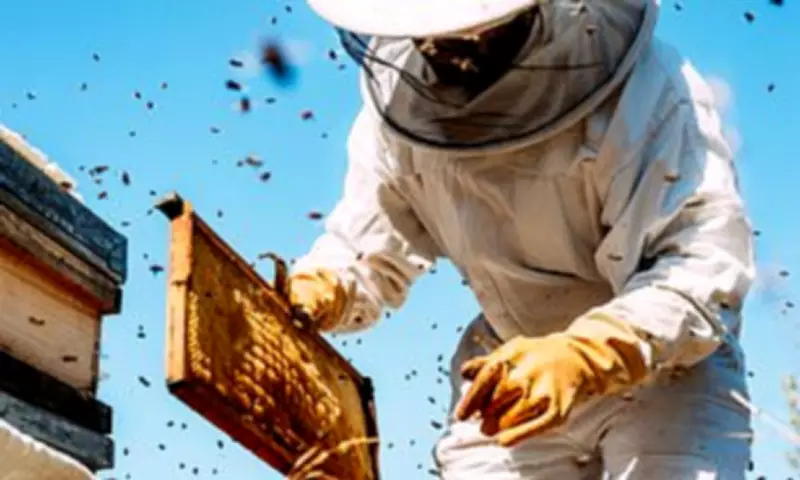
Thousands of jars of British honey sold in high-street shops may be contaminated with potent prescription medicines, including drugs used to treat cancer, fungal infections and depression, as well as common painkiller ibuprofen. Scientific testing has revealed alarming levels of pharmaceutical contamination in raw honey samples collected from hives across agricultural locations.
How Prescription Drugs Enter the Honey Supply
Researchers suspect the contamination originates from treated sewage, known as biosolids, which British farmers spray on agricultural land as fertiliser. It is estimated that more than three million tonnes of this sewage sludge are applied to fields annually across the United Kingdom.
When individuals take medication, a portion of the active pharmaceutical ingredients passes through their bodies as waste and enters the sewage system. Despite treatment processes, these chemicals persist in the resulting biosolids. Bees then collect contaminated pollen from plants grown on these treated fields and transport it back to their hives, where the pollutants ultimately become incorporated into honey destined for consumer markets.

Comprehensive Research Findings
Scientists from the University of Leeds and the UK Centre for Ecology and Hydrology in Oxfordshire conducted detailed analyses on honey samples taken from 19 different hives situated in various agricultural environments. Their investigation identified more than one hundred 'suspect chemicals' present in the samples.
Medicinal compounds accounted for nearly two-thirds of the total contamination detected. In addition to pharmaceuticals, the honey samples showed evidence of contamination from industrial chemicals and microplastics that are also present in sewage sludge applied to farmland.
Urgent Calls for Regulatory Action
The research team has called for immediate investigations into the potential risks this contamination poses to consumers, as well as any adverse effects on honeybee populations themselves. In a report published in the Journal of Agricultural and Food Chemistry, the scientists stated: 'These findings warrant further investigation. The potential risk to consumers remains largely unexplored.'
Current UK regulations stipulate that all honey must be free of organic or inorganic matter that is 'foreign to its composition'. However, there are no routine monitoring procedures for 'contaminants of emerging concern' such as potent prescription medications or industrial chemicals that might enter the food chain through agricultural practices.
Broader Implications for British Honey Production
Britain imports approximately 90 percent of its honey consumption, but maintains an estimated 250,000 active beehives that supply domestic honey to retailers nationwide. It remains unclear whether honey imported from other countries exhibits similar levels of contamination from pharmaceutical and industrial sources.
Environmental campaign groups have responded to these findings by calling for a complete ban on the use of sewage sludge in British agriculture. The environmental charity Fidra highlighted regulatory shortcomings, stating: 'Many drugs end up in the solid sewage sludge applied to agricultural land. But outdated UK regulations focus only on certain metals, leaving pharmaceutical contamination completely unmonitored. This means our soils have become inadvertent repositories for everything from antibiotics to hormonal medications.'
The discovery of prescription drugs in British honey raises significant questions about food safety standards, agricultural practices, and environmental protection measures. As scientists continue to investigate the full extent of this contamination, consumers are left wondering about the purity of a product traditionally considered natural and wholesome.