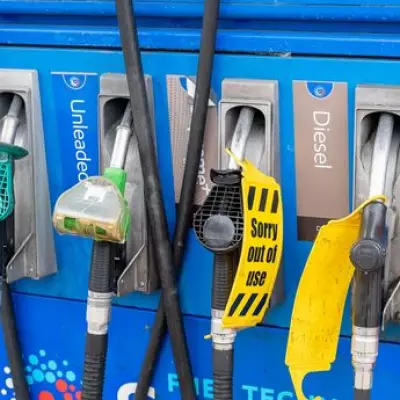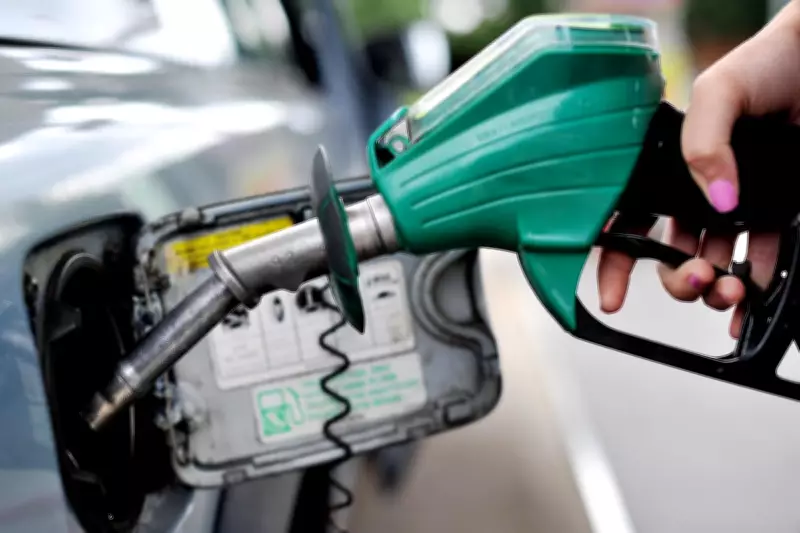
The UK's competition watchdog has launched a formal investigation into escalating petrol and diesel prices, following widespread accusations of retailers exploiting the ongoing conflict in the Middle East. The Competition and Markets Authority (CMA) confirmed on Thursday that it is demanding detailed revenue, cost, and sales data from fuel station operators across the nation.
Accelerated Scrutiny of Fuel Margins
This move accelerates the CMA's existing review of fuel margins, which represent the critical difference between what retailers pay for fuel and the price they charge consumers. In an official update, the authority highlighted its concern over "persistently high" margins that cannot be justified by operational expenses alone.
Juliette Enser, the CMA's executive director for markets, stated: "While price increases due to rising wholesale costs might be inevitable, it is essential that these increases genuinely reflect cost pressures. We will be closely monitoring fuel price developments and will publicly identify any concerning behaviour."

Examining 'Rocket and Feather' Pricing
The watchdog has pledged to analyse "how quickly" retail fuel prices adjust to wholesale cost changes once data becomes available. A particular focus will be on identifying evidence of "rocket and feather pricing," a practice where prices shoot up rapidly in response to market pressures but descend slowly as retailers seek to maximise profits.
Allegations of price gouging have intensified over the past fortnight, coinciding with military strikes across the Gulf region. Reports indicate that costs at certain filling stations have skyrocketed, prompting significant public and political outcry.
Political Condemnation and Calls for Action
Chancellor Rachel Reeves directly accused petrol retailers of engaging in "price gouging" earlier this week. She emphasised that the government's priority is to prevent companies from using the Middle East conflict to "rip off their customers."
"Yesterday, some petrol retailers were charging almost 180p per litre while others charged less than 130p per litre," Reeves revealed, vowing to convene meetings with industry representatives this month to "get prices down at the pumps."
Liberal Democrat Treasury spokesperson Daisy Cooper MP commented: "People have already been paying exorbitant amounts to fill their vehicles, as forecourts have systematically increased their profit margins over recent months. When oil prices rose previously, petrol stations amplified their profits even further, raising fears that this pattern could repeat on a larger scale. Fuel giants must not be permitted to treat financially strained families as cash cows."
Record Price Increases and Financial Impact
According to the latest RAC data, petrol and diesel prices have reached their highest levels in over twenty months this week. Since Saturday, 28 February, when the United States initiated strikes on Iran, prices have surged by between 6.12p and 12.74p per litre.
On average, motorists now face costs of 138.96p per litre for unleaded petrol and 155.12p per litre for diesel. This translates to an increase of up to £6.67 for refuelling a standard 55-litre family diesel car in just over a week, with analysts warning of further impending rises.
Underlying Market Pressures
The sharp increase in pump prices is primarily driven by a significant spike in global oil prices, which directly influence wholesale fuel costs. Brent crude, the international benchmark for oil, surpassed $100 per barrel on Monday for the first time since 2022.
Historical context underscores the severity of the current situation. Pump prices escalated rapidly following Russia's invasion of Ukraine in 2022 and have remained elevated compared to pre-2022 levels ever since. The present increase marks the steepest climb since that period, showing little indication of slowing down.
In December, the CMA had already cautioned that fuel margins remained abnormally high by historical standards, a phenomenon not explicable by retailers' operating costs alone. The authority's latest intervention signals a more aggressive stance against potential market exploitation during times of geopolitical instability.