An Australian consumer has launched a stinging critique against supermarket giant Coles, accusing the retailer of environmental hypocrisy by flooding stores with plastic packaging while simultaneously forcing customers to pay for paper bags.
Viral TikTok Exposes Supermarket Contradiction
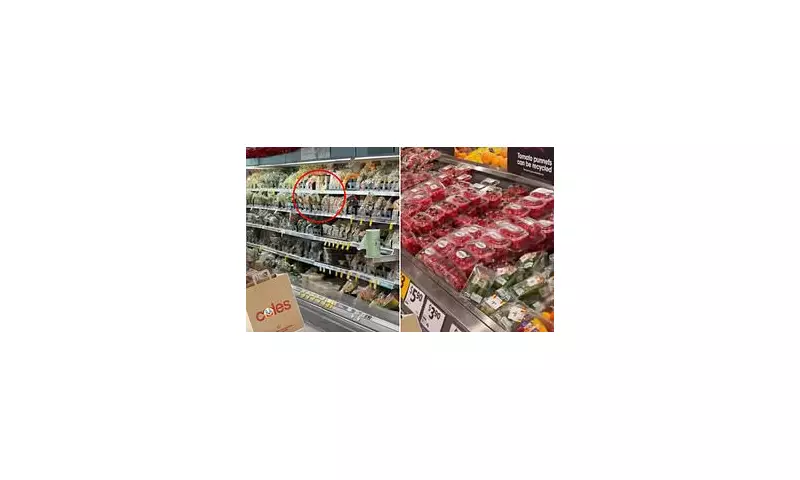
Daniel Berti shared a widely-viewed TikTok video on Wednesday that revealed the substantial amount of plastic packaging present throughout his local Coles supermarket. The footage has sparked significant debate about corporate environmental responsibility versus profit motives in Australia's retail sector.
'So, we've all got to pay for paper bags to reduce plastic waste, right?' Berti questioned in his video. 'Everything at Coles is in plastic.'

The Plastic Bag Ban and Its Aftermath
Australian supermarkets, led by Woolworths and Coles, largely eliminated free single-use plastic bags in mid-2018 as part of environmental initiatives. This policy shift forced shoppers to purchase reusable plastic or paper bags ranging from 15 cents to $2.50 each.
Mr Berti told Daily Mail Australia that Coles and other major supermarket chains appeared more focused on paper bag profits than genuine environmental stewardship. 'There's no doubt it has increased their revenue,' he asserted.
The consumer highlighted how 'everything' remained packed in plastic at supermarkets despite the paper bag initiative. His video showcased various products encased in plastic packaging throughout Coles stores.
Profit Versus Environmental Impact Debate
'There's no chance they'll go back to the old plastic bags,' Berti continued. 'By them pushing paper bags, they're marketing that they're making a difference. Funny how supermarkets ditched paper bags "for the environment", yet everything inside is wrapped in plastic.'
A 2018 analysis conducted by the Queensland University of Technology revealed that Coles and Woolworths could generate up to $71 million in gross profit by replacing free lightweight plastic bags with heavier 15-cent alternatives.
A Coles spokesperson previously stated: 'We have based the prices for our bags on the cost of supply and operational costs.'
Consumer Perspectives and Practical Concerns
Mr Berti argued that traditional plastic bags served multiple household purposes. 'We used to reuse the bags as bin liners. Now we have to buy paper bags just to throw plastic away,' he explained.
Many Australians echoed Berti's concerns on social media platforms. 'It's just another way for them to make money,' one user commented. Another added: 'They just want your 15 cents for more profit, always trying to keep the shareholder happy.'
However, some defended the plastic bag ban's environmental benefits. 'It's absurd people don't understand that less plastic is actually still helping the environment,' one person wrote. 'According to their logic, if we can't end all plastic use entirely, we may as well disregard any attempt to reduce plastic.'
Another supporter noted: 'Green Sea Turtles are no longer an endangered species. That is one tangible result of getting rid of individual plastic waste.'
Coles Responds to Packaging Criticism
A Coles spokesperson told Daily Mail Australia that plastic packaging served essential functions in product protection. 'Packaging used for fresh produce, including the items shown in this video, plays an important role in protecting products during transportation, preserving freshness, preventing contamination, and ultimately reducing food waste,' they stated.
'At the same time, we recognise the need to balance functionality, quality and safety with reducing environmental impact. Coles is committed to removing unnecessary plastic across our stores and online, while also making it easier for customers to recycle packaging wherever possible.'
The spokesperson highlighted that since phasing out soft plastic shopping bags in 2023, Coles has removed approximately 230 million plastic bags from circulation annually.
Broader Supermarket Plastic Audit Findings
Late last year, an audit conducted by the Australian Marine Conservation Society and the Boomerang Alliance revealed concerning findings about supermarket plastic pollution. The investigation found Australia's largest supermarkets were failing to adequately address the nation's growing plastic pollution crisis.

The audit discovered that approximately 140,000 tonnes of plastic enters the environment each year, with packaging accounting for 58 percent of litter collected.
When assessing Australia's four major supermarket groups – Woolworths, Coles, ALDI, and Metcash – researchers found Woolworths and Metcash had made improvements since 2023, while Coles showed decline year-on-year.
'Supermarkets are sweeping the plastic pollution crisis under the shelf,' stated AMCS program manager Tara Jones. 'We saw single garlic bulbs packed in their own plastic bags. If online orders are contributing to more single-use plastic, urgent action is needed.'
The debate continues as consumers increasingly scrutinise corporate environmental claims against observable practices in supermarket aisles across Australia.