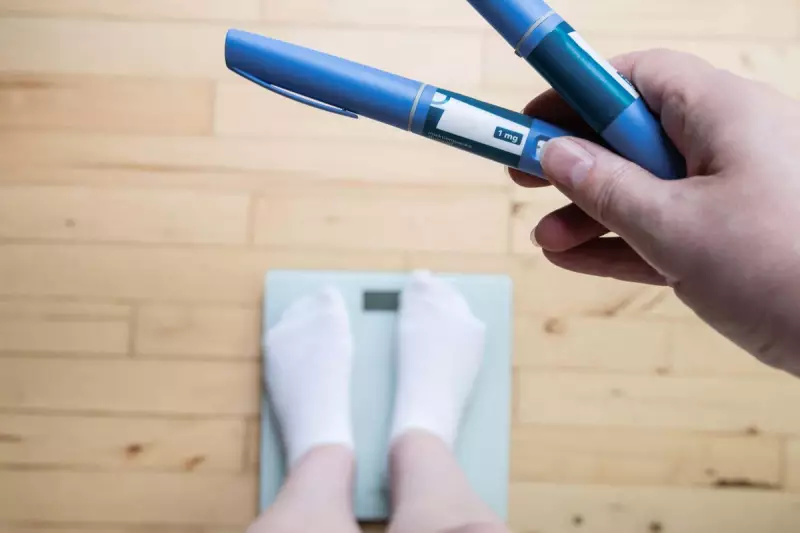
New research has uncovered a worrying financial crisis among Britons seeking private weight loss treatments, with nearly two-fifths of users falling into debt to fund their injections. The average debt accumulated stands at a substantial £1,616, according to a comprehensive survey commissioned by banking app thinkmoney.
Financial Strain Extends Beyond Simple Borrowing
The study, which surveyed over 1,000 people across the UK who are using weight loss injections, reveals that the financial burden extends far beyond straightforward debt. Almost half (49 per cent) of respondents reported dipping into their savings to cover the costs, while a concerning 17 per cent admitted they have tapped into emergency funds specifically to pay for their treatment.
Payment Sacrifices and Treatment Interruptions
Alarmingly, the research indicates that some users are making significant financial sacrifices to continue their treatment. Nearly one in ten (8 per cent) respondents said they would miss a scheduled payment to afford an injection, while 6 per cent have already missed or delayed payments. The monthly financial commitment is substantial, with users spending £210 on average for weight loss injections.

Vix Leyton, a consumer expert at thinkmoney, highlighted the emotional dimension of this financial pressure: "For people who have spent years trying every diet and programme going, the fear of regaining weight is a real spectre." She added: "If people are forced to stop because they can no longer afford it, there can be physical and emotional consequences. That makes it even more important that anyone starting these jabs thinks about whether they can afford the journey, not just the first few months."
Regional Breakdown Reveals Widespread Financial Pressure
The survey provides a detailed regional breakdown of debt levels among weight loss injection users across Great Britain:
\n- North East: 50.0% in debt, average £1,396.19
- East of England: 42.2% in debt, average £2,463.41
- Yorkshire and the Humber: 42.3% in debt, average £1,901.07
- Wales: 44.9% in debt, average £1,466.05
- East Midlands: 45.8% in debt, average £1,365.47
- Scotland: 39.5% in debt, average £1,799.06
- West Midlands: 38.3% in debt, average £1,326.34
- London: 37.6% in debt, average £1,386.74
- South West: 36.9% in debt, average £1,758.79
- South East: 36.8% in debt, average £1,501.95
- North West: 33.1% in debt, average £1,861.74
Northern Ireland was not included in the regional breakdown due to a low sample size. The research was conducted by Savanta in January among 1,040 people across the UK who are currently using weight loss injections.
Treatment Sustainability Concerns
Looking ahead, the survey reveals significant concerns about treatment continuity. Around a fifth (21 per cent) of respondents stated that if their costs were to increase, they would have to stop using the injections altogether. This highlights the precarious financial position many users find themselves in as they attempt to maintain their weight loss treatments through private channels.
The findings paint a concerning picture of the financial sacrifices Britons are making to access private weight loss treatments, with many resorting to credit cards, overdrafts, and emergency savings to fund what has become for many an essential healthcare expenditure.