Four Charity Shop Hidden Finds You Can Restore Easily at Home for Amazing Value
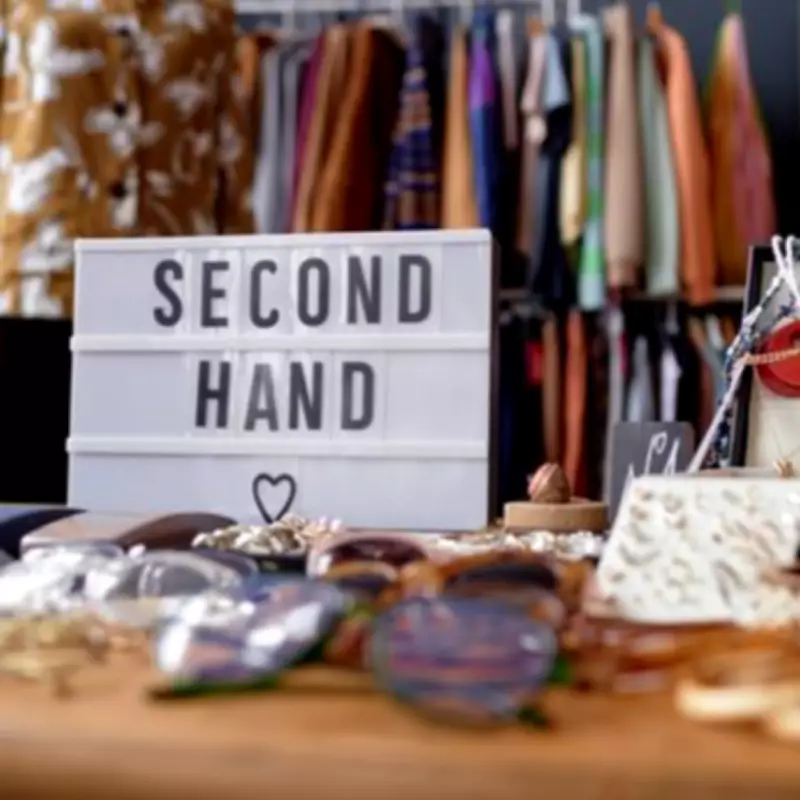
Charity shops are a treasure trove of affordable buys, offering a delightful pastime for many Britons who enjoy rummaging through rails and displays packed with hidden gems at remarkably low prices. Beyond being budget-friendly, purchasing second-hand items contributes to environmental sustainability by reducing waste. However, the ordered chaos of these retail spaces can be daunting, causing shoppers to overlook certain pieces that, with modest care and attention, can be revived to their former glory and deliver value far exceeding their actual cost.
Next time you visit a charity shop, keep an eye out for these four concealed treasures, which can offer excellent returns through straightforward restoration techniques, as reported by the Express. With simple fixes, you can transform overlooked items into stunning additions to your home or wardrobe.
Hazy Glassware
Crystal items, such as tumblers, vases, flutes, and bowls, are among the finest affordable discoveries in charity shops. Often, these pieces appear murky and grimy due to limescale buildup from repeated contact with hard water, a common issue across many UK areas. The cleaning process is remarkably straightforward: avoid using the dishwasher for crystal items and instead immerse cloudy glassware in a potent citric acid mixture for several hours.

An alternative effective remedy combines equal parts distilled white vinegar and warm water. After the limescale has broken down, wash and dry the glassware completely. For minor scratches, use ultra-fine 0000 grade steel wool to carefully polish them away with circular movements, restoring the glass to its original sparkle.
Scorched Le Creuset Cookware
Cast iron cookware, particularly Le Creuset's legendary pots and pans, can endure for decades, but it's understandable to feel discouraged if you find one with a severely burnt base in a charity shop. Don't abandon hope immediately; charred Le Creusets can be rescued, provided the enamel remains undamaged. To verify this, glide your fingertips across the cooking area and check for any fractures, nicks, or significant irregularities.
If all appears satisfactory, restore the cookware at home by filling the pan with enough water to cover the charred areas, adding a dishwasher tablet, and placing it on gentle heat for 10-20 minutes. Once the liquid resembles gravy, allow it to cool, then use a nylon brush and sudsy water to rinse and scrub. Repeat this procedure as needed for stubborn burn marks. For exterior blemishes, apply a bicarbonate of soda paste, let it sit for at least an hour, and scrub away if necessary.
Tarnished Silver Pieces
Charity shops often have loads of silver trinkets and treasures scattered throughout, frequently tarnished. If you discover a silver ornament you fancy, don't despair; there's an incredibly straightforward solution. First, confirm the piece is genuine silver by searching for a hallmark or stamp indicating purity and maker.
Then, gather cleaning supplies: a silver polishing cloth, silver spray or cream for detailed pieces like rings or necklaces, and a foaming spray for larger objects like platters or tea sets. Wadding polish is also effective. Apply silver creams or liquids, let them dry to a powdery consistency, and polish gently with a dry cloth. For foaming paste, rinse completely in water and allow to dry. Use smooth, straight strokes with minimal pressure, avoiding circular movements, and be patient for best results.
Stained Leather Items
Leather goods are common in charity shops but often not in pristine condition, with marks, discolouration, or light mould discouraging shoppers. Fortunately, these pieces, especially leather bags, can be restored. Start by checking pockets, zips, and compartments for any leftover items.
Use a vacuum's crevice attachment on low power to remove dirt and debris from creases. Lint rollers can help, but avoid them on suede pieces; opt for suede brushes instead. For external stains and discolouration, use a specialist leather cleaner with a microfibre cloth or leather-cleaning wipes. Test a small, hidden area first, then apply the cleaner uniformly in circular motions without soaking the leather.

Once dry, use a leather restorer to nourish and safeguard the surface. Allow it to dry completely until it no longer feels sticky, and your leather item will be ready to show off, looking refreshed and valuable.