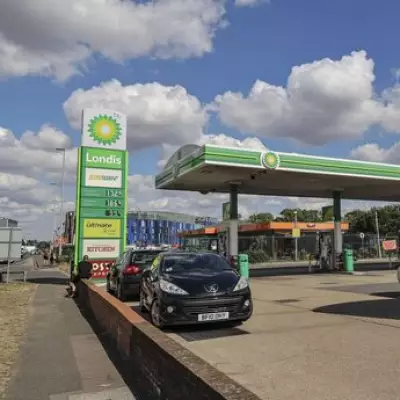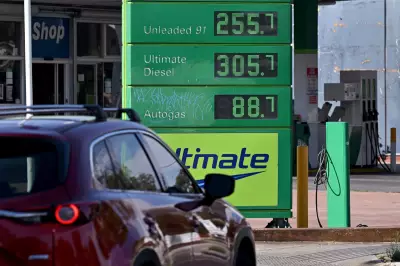
The UK's competition regulator has delivered a stark warning that British motorists are being systematically overcharged for fuel. The Competition and Markets Authority (CMA) has found a significant and persistent failure by retailers to pass on substantial falls in wholesale oil prices to consumers at the pump.
Market Failure Leaves Drivers Out of Pocket
In a detailed analysis of the fuel prices market, the CMA uncovered what it describes as a clear breakdown in competition. The watchdog's investigation, which scrutinised data from the final quarter of 2024, revealed that wholesale costs for petrol and diesel fell by over 10 pence per litre. Despite this dramatic drop in the underlying cost of oil, the corresponding reduction in prices paid by drivers was negligible.
This discrepancy means that the average UK driver has been paying significantly more than they should have for every tank of fuel. The CMA stated that this failure to reflect market movements is not an isolated incident but points to a deeper, structural problem within the UK's road fuel sector. The report suggests that a lack of vigorous price competition among retailers is the primary cause, allowing them to maintain higher profit margins at the direct expense of consumers.

Supermarkets Under Scrutiny
Historically, supermarket forecourts have been champions of lower petrol and diesel prices, using competitive fuel pricing to attract customers into their stores. However, the CMA's latest findings indicate this dynamic has fundamentally changed. The report notes that the traditional 'price anchor' effect provided by major supermarkets has weakened considerably.
Instead of leading the market with quicker and deeper price cuts when oil costs fall, the evidence suggests some major retailers are now slower to reduce prices and quicker to increase them. This asymmetric behaviour exacerbates the financial burden on households already grappling with a prolonged cost of living crisis. The watchdog has emphasised that this practice hits lower-income families and essential workers, for whom car travel is a necessity, particularly hard.
Regulatory Pressure and Future Action
The publication of this report places immense pressure on fuel retailers and the government to act. The CMA has stopped short of immediately accusing companies of illegal cartel behaviour but has made it unequivocally clear that the current market operation is not working in the public interest. The regulator has warned that it is prepared to use its full suite of powers if the situation does not improve.
Potential interventions could include enhanced, real-time price transparency schemes to empower drivers, or even a formal market investigation reference, which could lead to enforceable remedies. Consumer groups have welcomed the CMA's robust stance, arguing that transparent and fair pump prices are essential for economic fairness. The ball is now in the court of retailers to demonstrate they will respond to market conditions fairly, and for ministers to consider if stronger regulatory oversight is required to protect UK drivers from overpayment.