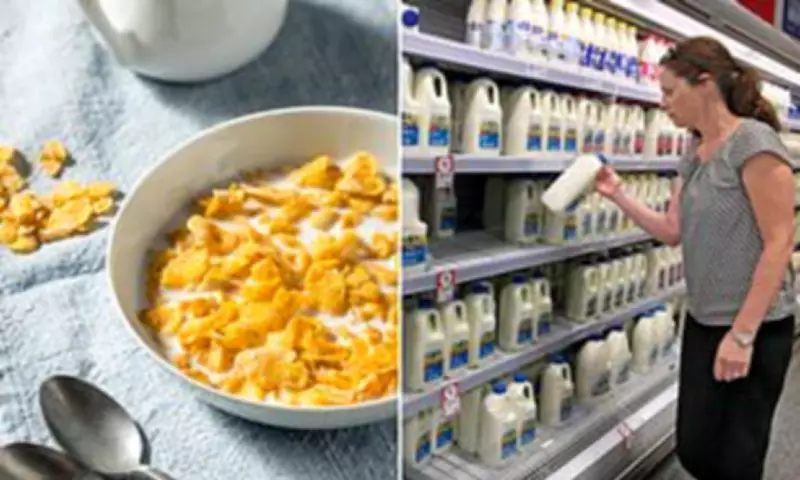
Once the source of countless breakfast table disputes among siblings, the contentious issue of who gets to pour the creamy top layer of milk over their cereal is making a significant resurgence. This revival coincides with the remarkable comeback of full-fat milk across Britain, as consumers increasingly abandon thinner semi-skimmed varieties and plant-based alternatives.
The Surge in Full-Fat Dairy Popularity
Demand for rich, creamy whole milk is experiencing a substantial surge, driven by evolving perspectives regarding natural fats in our diets. This shift mirrors increased sales of butter and cottage cheese, the latter being favored by fitness enthusiasts for its high protein content. Multiple factors are transforming British shopping habits, including widespread concerns about ultra-processed foods, the rising popularity of weight-loss injections, and health-conscious TikTok influencers who enthusiastically praise the taste and nutritional benefits of full-fat milk.
Supermarket Sales Data Reveals Dramatic Growth
Supermarkets report that demand for Jersey milk—often recognized by its distinctive 'gold top'—and whole milk in general has more than doubled over the past two years. Jersey milk, once considered a modest domestic luxury, has firmly returned to shopping baskets, particularly among younger consumers who are moving away from semi-skimmed options.

Tesco confirms it sold three million additional litres of full-fat milk last year compared to 2023. Meanwhile, Ocado recorded sales figures more than 200 percent higher last month than in February 2024. Christos Tsakalos, Tesco's milk buyer, observed: 'Jersey milk is having a major moment again, as is full-fat dairy in general.'
Social Media Influence and Nutritional Reassessment
Nutritionist Yalda Alaoui, who manages the Eat Burn Sleep account on TikTok, advised her followers in a post liked nearly 80,000 times to exclusively purchase gold-top milk. She emphasized: 'You don't want to go for the low-fat options because low fat means high sugar and higher in lactose.'
According to Graham's, one of Britain's largest dairy producers, such social media advocacy has helped push demand for Jersey milk to its highest level in five decades. The Stirlingshire-based company, which has produced its Gold Jersey milk for eighteen years, reported a 40 percent sales increase over the past year. Owner Robert Graham noted: 'People are rediscovering its natural goodness.'
Changing Scientific Perspectives on Dairy Fats
Nutritionist Sophie Gastman highlighted that emerging research is challenging the long-held belief that low-fat options are inherently healthier. She explained: 'Previously, we assumed that all saturated fat behaves the same way in the body, but now we know that's a bit too simplistic, especially when it comes to dairy.' This scientific reassessment is further accelerating the shift toward full-fat dairy products among health-aware consumers.
The combined impact of social media trends, revised nutritional understanding, and changing consumer preferences has firmly reestablished full-fat milk as a staple in British households, marking a significant reversal in dietary trends that favored reduced-fat alternatives for decades.