The Alarming Rise of Counterfeit Beauty Products in the UK
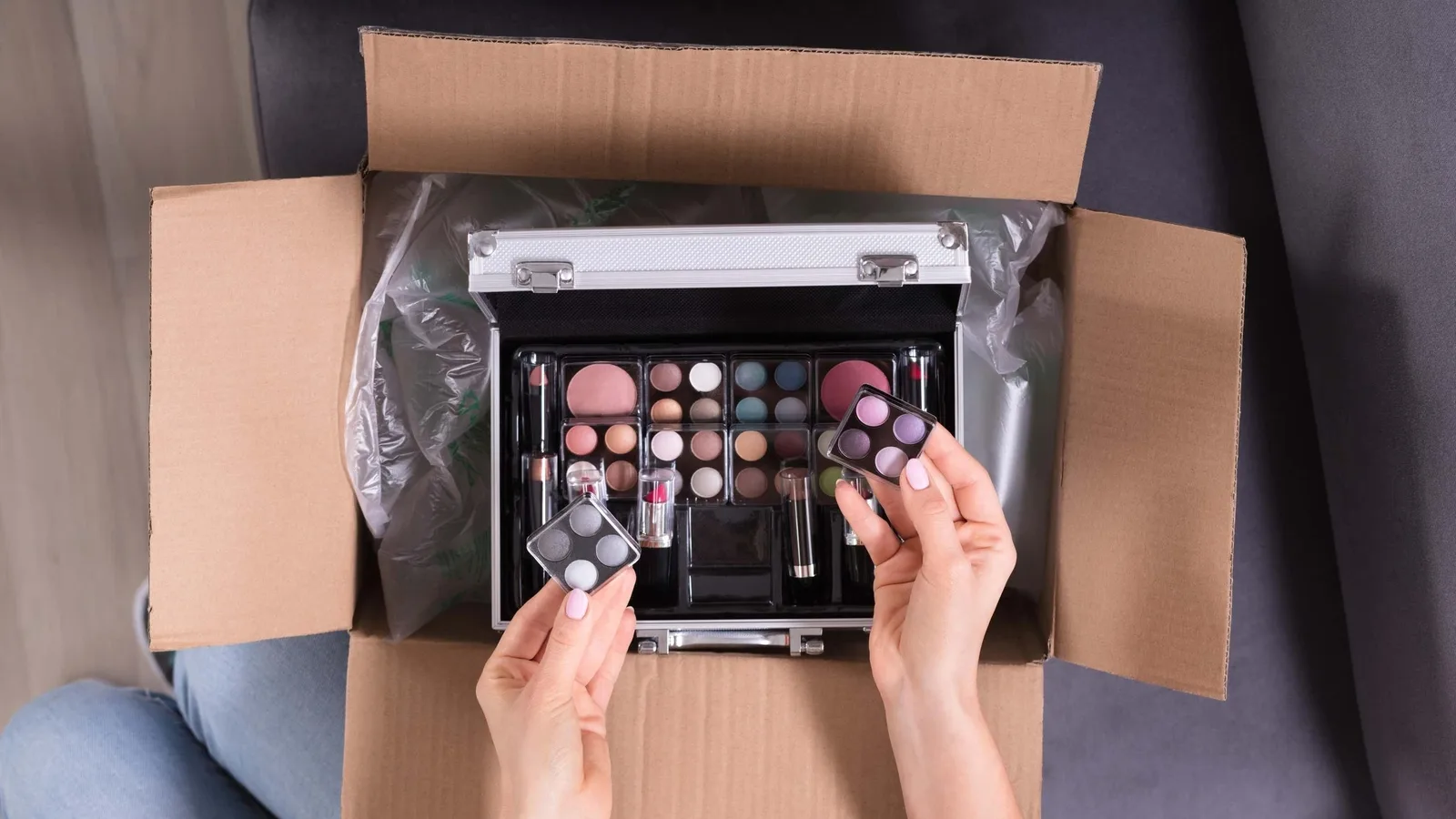
Scrolling through social media platforms today often reveals tempting offers for luxury beauty items at suspiciously low prices. A premium serum for under £10, a high-end mascara at half its usual retail cost, or a "limited-time" fragrance deal promising luxury on a budget might seem like a bargain hunter's dream. However, these offers frequently mask a dangerous reality: the explosive growth of counterfeit beauty products in the UK's online marketplace.
Why Fake Cosmetics Pose a Serious Health Threat
According to the Government's Intellectual Property Office, purchases of counterfeit cosmetics and toiletries online increased by 6% at the end of 2025, making this one of the fastest-growing segments of the fake goods market. Unlike legitimate cosmetics that must comply with stringent UK safety regulations, counterfeit products operate outside the law entirely.
Dr Emma Meredith OBE, director-general of the Cosmetic, Toiletry and Perfumery Association (CTPA), warns: "Counterfeit beauty products might look like the real deal, but that's where the similarity stops. Behind the copycat packaging, you could be buying something that doesn't work as promised and could even put your health at risk."
Every genuine cosmetic sold in Britain must meet the rigorous requirements of the UK Cosmetics Regulation, which governs everything from ingredient safety to manufacturing conditions. Each product undergoes thorough safety assessments by qualified professionals and must list a UK-based "Responsible Person" on its packaging. Counterfeit items bypass all these essential safeguards.
The Disturbing Contents of Fake Beauty Products
When the UK Intellectual Property Office tested various counterfeit beauty and hygiene products as part of its "Choose Safe Not Fake" campaign, the findings were deeply concerning. Samples of setting sprays, hydrating serums and moisturisers contained:
- Carcinogenic substances including beryllium oxide
- Banned heavy metals such as arsenic, lead and mercury
- Evidence of rodent urine and horse faeces
These discoveries point to the unsanitary conditions in which counterfeit products are manufactured. Using such items can trigger allergic reactions, chemical burns, infections and long-term skin damage. Fake perfumes often fail to declare ingredients, leaving people with allergies unable to protect themselves, while counterfeit makeup has been linked to serious skin irritation and burns.
What's Driving the Counterfeit Beauty Boom?
Several factors contribute to the surge in fake beauty products. The pandemic-driven shift to online shopping created permanent changes in consumer behaviour, with counterfeiters following the digital traffic. Digital marketplaces and social platforms provide cover for sellers using false identities, stolen imagery and disappearing overnight operations.
Economic pressures also play a significant role. "The cost-of-living increase may drive consumers to look for discounted or cheap options," Meredith notes, "and they may be buying counterfeit items believing they are saving money on the real product."
How to Identify Counterfeit Beauty Products
While no method guarantees authenticity before purchase, several patterns can help consumers identify potential fakes:
- Price: Dramatically lower prices than established retailers should raise immediate suspicion
- Packaging: Misspelt brand names, slightly altered logos, flimsy boxes, odd wording or missing information
- Legal Requirements: Genuine UK cosmetics must list full ingredients and a UK Responsible Person with a physical address
Online shopping presents additional red flags:
- "Flash sale" advertisements creating artificial urgency
- Social media accounts using brand names without official verification
- Poorly written product pages lacking customer service details
- Sellers who post constantly but never engage with comments
- Unverified influencers promoting "too good to be true" deals
Understanding the Grey Market Distinction
Confusion often arises around "grey market" beauty products - genuine items sold outside official distribution channels. The CTPA clarifies that while grey market products may be legal but unofficial, counterfeit items are both illegal and unsafe. The same verification principles apply: consider the retailer, price and product presentation carefully.
What to Do If You Suspect You've Bought a Fake
If a product smells unusual, performs poorly, causes skin irritation or differs from previous purchases, stop using it immediately. Suspected counterfeits can be reported to Trading Standards via the Citizens Advice consumer helpline (0808 223 1133) or through their online chat service. Alerting the brand directly also helps, as most companies actively track counterfeit activity and collaborate with authorities to shut down illicit sellers.
The Safest Shopping Approach
The most reliable protection remains purchasing directly from brand websites or established, reputable retailers. In the UK, this means well-known beauty specialists and high-street names with clear customer service and returns policies - such as Boots, Cult Beauty, Space NK or Look Fantastic - rather than pop-up sellers on social media or unfamiliar marketplaces.
Remember: "If the product is being offered at a very cheap price, the chances are that it is an untested and unsafe look-alike that's not worth the potential cost to your health," Meredith concludes.