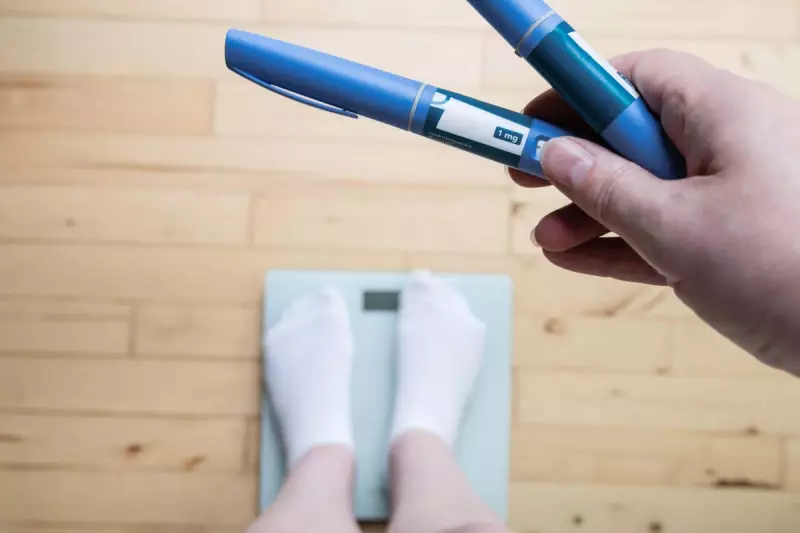
The proliferation of weight-loss medications is not merely a health phenomenon but a significant economic force reshaping consumer behaviour across the United Kingdom. With an estimated 2.5 million individuals currently using these treatments, the ripple effects are being felt from supermarket aisles to high-end restaurants, creating both challenges and opportunities for businesses nationwide.
The Pharmaceutical Revolution Driving Change
Medications such as semaglutide, marketed under brand names including Wegovy, Ozempic, and Rybelsus, along with tirzepatide, known as Mounjaro, function by mimicking natural hormones that regulate blood sugar, appetite, and digestion. These GLP-1 receptor agonists, when obtained privately, can cost users hundreds of pounds monthly over extended periods. As their popularity continues to surge, a new consumer profile is emerging, compelling industries to adapt fundamentally to shifting demands.
Retail Innovation: Portion-Controlled and Nutrient-Rich Foods
Major retailers are proactively developing product ranges specifically designed for consumers using weight-loss injections. Online supermarket Ocado has introduced a dedicated "weight management" category featuring "GLP-1-friendly products" that emphasise portion control and nutritional density. Examples include miniature steak portions and powdered greens supplements.

Established brands like Marks & Spencer, Waitrose, and Greggs have already launched similar targeted offerings. The Co-op is marketing "mini meals" in 250g to 280g pots, drawing inspiration from global cuisines to cater to reduced appetites while maintaining culinary appeal.
Transformation of Dining and Hospitality
A Morgan Stanley survey conducted last year revealed that 63 percent of Ozempic users in the United States reported spending less when dining out, not due to financial constraints but because they could no longer consume multi-course meals as before. This trend is mirrored in the UK hospitality sector.
Nima Safaei, proprietor of several London establishments including 64 Old Compton Street and 40 Dean Street, has observed notable changes in customer behaviour. "More patrons are visiting primarily for drinks or sharing a couple of starters, with fewer opting for traditional three-course meals," he explained. "We recognise that the social experience remains important—people still value evenings out with friends, even if their food consumption has diminished."
This shift has spurred the emergence of specialised "Mounjaro menus" in upscale restaurants, featuring half-portions, smaller plates, and nutrient-dense options. Luxury items such as canapés, caviar, and oysters are gaining popularity among diners seeking quality over quantity. Additionally, many individuals on weight-loss jabs report significantly reducing or completely eliminating takeaway orders.
Declining Alcohol Consumption and Its Economic Impact
The effects extend beyond food to beverage consumption, with many users experiencing reduced alcohol cravings. Mr Safaei noted, "Some guests are drinking less overall, skipping pre-dinner cocktails or choosing lighter alternatives like spritzes or lower-alcohol wines. The social aspect of sharing a drink persists, but it is undoubtedly evolving."
For restaurants, this trend presents a substantial financial concern. Alcohol sales typically generate high profit margins, often subsidising narrower margins on food. Toby Clark, EMEA Vice President of Consulting at Morgan Stanley, highlighted the potential severity of this shift. "GLP-1 medications could pose a genuine threat to the sector, especially given widespread reports of users cutting back on alcohol intake. With profitability heavily reliant on drink revenue, the industry faces a potential double impact from reduced spending on both food and beverages."
Positive Ripples for Fashion and Tailoring
While the food and hospitality sectors navigate challenges, the fashion industry stands to benefit considerably from increased weight-loss jab usage. As individuals shed pounds, demand for new clothing rises, alongside activity on secondhand platforms where users both purchase and sell garments.

A Savile Row tailoring executive described the boom in weight-loss drugs as having "massive repercussions" for the industry. Sean Dixon, co-founder of tailor Richard James, reported that cutters are making significant adjustments or completely remaking suits to accommodate customers' rapid weight loss, indicating a surge in demand for alterations and new fittings.
Growth in Beauty, Health, and Fitness Sectors
Academic research underscores the importance of complementary lifestyle support for those using weight-loss medications. A University of Oxford study emphasised the need for ongoing assistance to prevent weight regain, while findings from University College London and the University of Cambridge suggested users may be vulnerable to muscle loss.
This has catalysed growth in related industries. Will Orr, chief executive of The Gym Group, confirmed that the rise of GLP-1 medications is acting as a "tailwind and contributory factor" for increased demand at fitness centres nationwide. Additionally, concerns about "Ozempic face," a reported side effect involving accelerated ageing, have boosted the aesthetics sector. Dermatologists note that non-invasive correction typically requires filler injections, which can cost thousands of pounds, driving revenue in cosmetic treatments.
As weight-loss jabs become increasingly embedded in UK society, their influence on consumer spending habits continues to expand, prompting businesses across multiple sectors to innovate and adapt to this transformative economic shift.