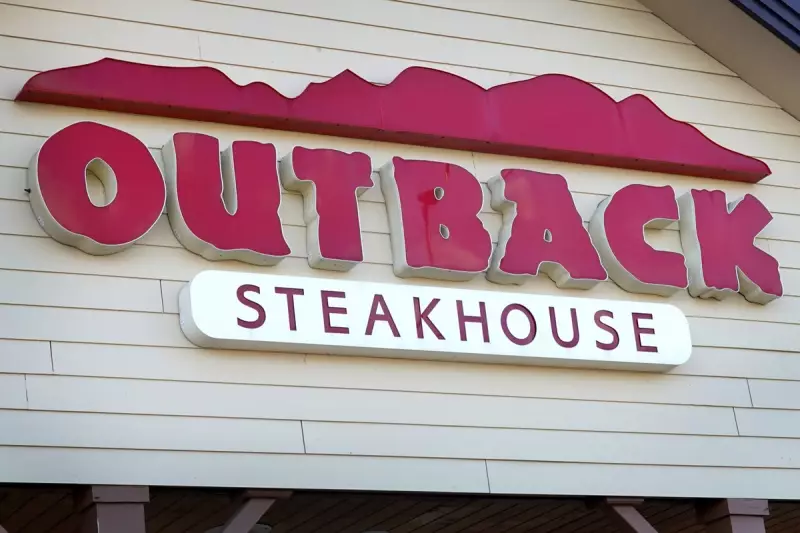
A man from Florida has launched a significant legal claim against the popular restaurant chain Outback Steakhouse after a toilet he was using allegedly shattered, causing him serious and lasting harm.
The Incident and Legal Claim
The event took place on March 26 at an Outback Steakhouse branch in Ocala, Florida. According to a lawsuit filed by Dan Newlin Injury Attorneys on behalf of Michael Green, the patron was using a handicapped stall when the toilet seat and fixture collapsed without warning.
Green fell violently to the floor, sustaining injuries which the legal documents describe as resulting in a "significant and permanent loss of an important bodily function and/or permanent and significant scarring." The suit accuses the steakhouse of negligence, specifically for failing to properly secure the toilet to the floor.

Seeking Damages Amid Broader Closures
Michael Green is now seeking financial compensation exceeding $50,000 for the damages suffered. The lawsuit underscores a duty of care that businesses owe to their customers regarding the safety of their premises.
This legal action emerges against a backdrop of operational changes for the restaurant's parent company, Bloomin' Brands. The firm recently confirmed a series of closures as part of a "turnaround plan," shuttering underperforming sites including several in Florida. A spokesperson, Elizabeth Daly, cited factors like sales, traffic, and trade areas for the decisions, noting that affected staff were offered roles elsewhere or given severance.
Broader Implications for Hospitality
While Outback Steakhouse, founded in 1988 and famous for its Bloomin' Onion, operates over 670 locations in the US, this case highlights the critical importance of routine maintenance and safety checks in all commercial establishments. A failure in a basic facility can lead to severe consequences for customers and substantial legal liability for the business.
The case, detailed initially by Ocala News, serves as a stark reminder for the hospitality industry. It stresses that regular inspections of all fixtures are not merely a matter of upkeep but a fundamental requirement to prevent accidents and uphold public safety standards.