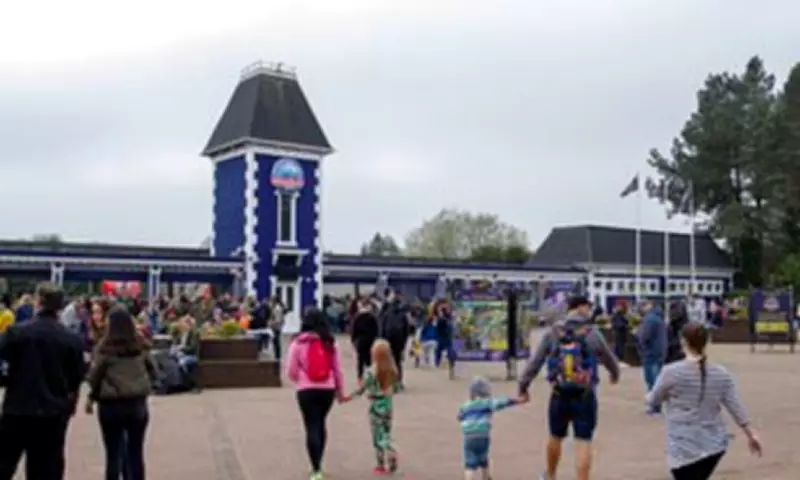
Britain's largest theme park operator has implemented a sudden and significant overhaul of its accessibility system for visitors with hidden disabilities, leaving many neurodivergent guests facing potential exclusion from special queuing arrangements.
Major Policy Shift at UK's Premier Attractions
Merlin Entertainments, which operates some of the nation's most popular tourist destinations including Alton Towers, Legoland Windsor, and Thorpe Park, has fundamentally changed the eligibility criteria for its Ride Access Pass (RAP) system. This free scheme has traditionally provided guests with disabilities or medical conditions that make standing in conventional queues difficult with a "queuing adjustment" at all Merlin-owned UK theme parks.
The system allows eligible visitors and up to three accompanying members of their party to join virtual queues rather than enduring lengthy physical lines, significantly reducing waiting times and improving the overall park experience for those with accessibility requirements.

Symbol System Restructuring Creates New Barriers
The substantial change stems from Nimbus Disability, the Access Card provider used across the United Kingdom to help individuals with disabilities communicate their needs to businesses. Nimbus has recently restructured its symbol system, which Merlin now uses to determine RAP eligibility.
Previously, the company accepted the "Standing and Queuing" symbol, which covered a broad range of conditions including neurodivergence. This allowed visitors with autism, ADHD, anxiety disorders, and similar conditions to access the adjusted queuing system.
However, from February 2nd, Merlin will only accept three specific Nimbus symbols: "Difficulty Standing," "Level Access," and "Urgent Toilet Needs." The "Difficulty with Crowds" symbol, which Nimbus states is "allocated to applicants who have difficulty being in crowded situations or queues, often due to neurodivergence, anxiety, or other non-physical conditions," will no longer qualify visitors for the RAP.
Impact on Neurodivergent Visitors
This policy shift effectively excludes many visitors whose conditions make queuing in crowded, noisy environments challenging or distressing, despite not necessarily involving physical mobility limitations. The "Difficulty Standing" symbol is specifically allocated by Nimbus to "applicants whose mobility impairment makes standing for prolonged periods difficult or impossible," creating a significant gap for those whose barriers relate to sensory processing, social anxiety, or neurological differences.
The changes mean that existing RAP holders may find their passes no longer valid if their Access Card doesn't display one of the three newly accepted symbols. Alton Towers has acknowledged on its website that "crowds can be challenging for some guests" while explaining the policy adjustment.
Alternative Support Measures Announced
Merlin Entertainments has outlined several alternative support measures for visitors who no longer qualify for the Ride Access Pass under the new criteria. These include:
- Pre-arrival information resources including ride evacuation videos, flashcards, communication cards, and sensory guidance
- Essential companion tickets for visitors requiring assistance
- Designated calm environment areas including sensory rooms and quiet spaces
- Guest Services support for visitors whose Access Cards show the crowd symbol but not the three accepted symbols
Rob Smith, Chief Operating Officer at Merlin Entertainments, explained the company's position: "At Merlin, we are deeply committed to creating inclusive experiences and ensuring all guests feel supported when visiting our attractions. Our guests with additional accessibility needs have increasingly told us that the Ride Access Pass simply isn't working for them, particularly as demand has grown and queue times for these guests have increased."

Ongoing Review and Digital Improvements
Smith further elaborated that the company is "trialling a refined eligibility criterion during the brief opening period of February half-term" while recognising that "this has raised concerns for some guests." He emphasised Merlin's commitment to supporting neurodiverse visitors and those with mental health needs, promising to keep the approach "under review ahead of our main season openings in March."
Alongside the eligibility changes, Merlin is implementing a new digital application and transparent availability calendar designed to improve clarity and help families plan their visits with greater confidence. Nimbus Disability has clarified on its website that while they are responsible for "understanding, validating and conveying the barriers you face," individual businesses ultimately determine what reasonable adjustments they implement.
This substantial policy shift at Britain's largest theme park operator represents a significant change in accessibility provision, potentially affecting thousands of visitors with hidden disabilities who regularly rely on the Ride Access Pass system to enjoy the country's premier attractions.