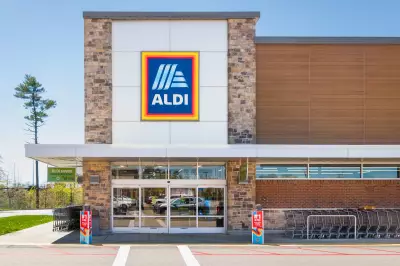
A nutritionist has revealed the four optimal times during the week to shop at Aldi, claiming these periods offer shoppers the best value for their money as concerns over escalating food prices intensify.
Timing Your Aldi Trip for Maximum Savings
Paul Evans, a nutritionist who frequently shops at the budget supermarket chain, shared his insights on a recent podcast, emphasising that strategic timing can significantly enhance the shopping experience and financial benefits at Aldi.
He identified four specific times when customers are likely to get more bang for their buck: Friday night, Saturday night, Monday morning, and Tuesday morning.

Why These Times Are Ideal
Evans explained that these slots tend to be less busy compared to peak weekend hours or evenings midweek, such as Wednesday or Thursday nights.
"The thing that I've found is if you go shopping on either a Friday night, a Saturday night or a Monday morning or a Tuesday morning, you get your best bang for your buck," Evans stated.
He noted that shelves are often better stocked during these times, allowing shoppers to access a wider range of products without the hassle of crowded aisles.
Additionally, planning trips around these times can help set up households for the week ahead. "And also, it sets you up for the weekend if you go on Friday night, Saturday night or on a Monday night, then you've got the food for the week," he added.
Avoid Shopping on an Empty Stomach
Beyond timing, Evans stressed another crucial tip for supermarket visits: never go to a supermarket hungry. This advice aims to help shoppers make more rational purchasing decisions and avoid impulse buys that can inflate their grocery bills.
Broader Context of Rising Food Insecurity
Evans' recommendations come at a time when food insecurity is increasing across the UK, driven in part by geopolitical tensions and economic factors.
Speculation is growing about the impact of the Middle East conflict, including potential effects from 'Trumpflation', on the weekly shopping budgets of UK citizens.
Expert Insights on Food Price Volatility
Anna Taylor, executive director of The Food Foundation, addressed these concerns in a recent interview with the Mirror. She was candid about the potential for prolonged conflict in Iran to drive up food prices for British shoppers, regardless of where they shop.
"Many are asking whether the conflict in Iran will push up food prices. The honest answer is: it will, if it is prolonged," Taylor said.
However, she emphasised that the core issue extends beyond immediate geopolitical events. "The real issue is that the UK food system has become dangerously exposed to shocks far beyond our borders," Taylor explained.
Calls for Systemic Change
To address this vulnerability, The Food Foundation is advocating for a 'Good Food Bill'. This proposed legislation aims to establish a long-term framework for building resilience in the UK food system.
Taylor highlighted that such a bill would hold successive governments accountable and protect both citizens and farmers from price shocks and supply chain disruptions.
"What we need now is a Good Food Bill that sets out a long-term framework for building resilience in the UK food system — one that holds successive governments to account and protects citizens and farmers alike," she asserted.
Recent data underscores the urgency of these measures, showing a rise in food insecurity across the nation. The push for the Good Food Bill seeks to secure a domestic supply of nutritious food, which is traditionally more susceptible to price fluctuations and external shocks.
In summary, while practical tips like shopping at Aldi during less busy times can help individuals stretch their budgets, broader systemic reforms are deemed essential to safeguard the UK's food security in an increasingly volatile global landscape.