Adrian Chiles recently shared a thought-provoking anecdote from a pre-Christmas gathering with friends, which offered a rare and sobering insight into an everyday challenge faced by women. The experience occurred at a bustling pub-restaurant, where a group of male dentists—though their profession is incidental—enjoyed a lively afternoon of food, drink, and dental-themed stories.
The Unexpected Queue
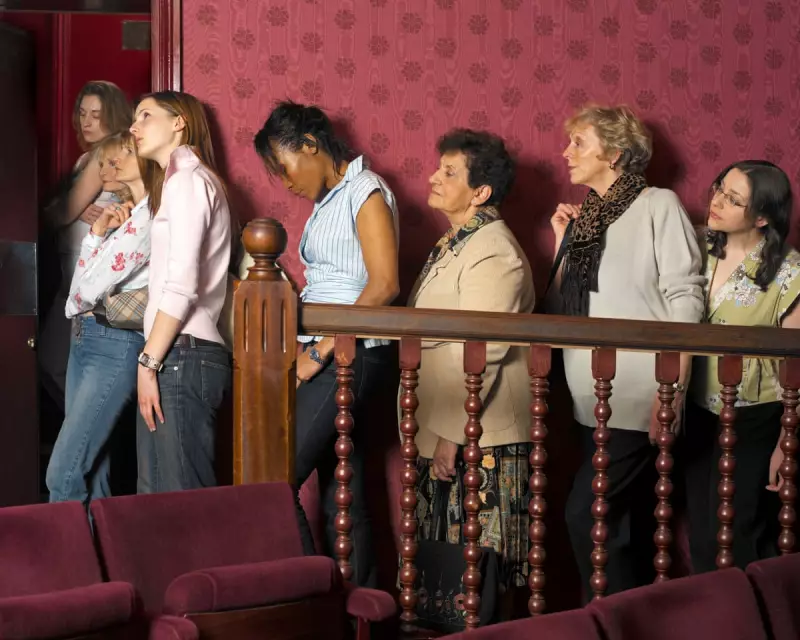
As the event progressed, Chiles noticed that trips to the gentlemen's toilet were taking an unusually long time. When it was his turn, he discovered the reason: a lengthy queue had formed for the men's facilities, while the women's toilet had no wait at all. This reversal of the typical scenario was a jarring moment for him and the other men in line, who were unaccustomed to such delays.
A Taste of Daily Inconvenience
Chiles reflects on the broader implications of this experience, acknowledging that for women, queuing for public toilets is a commonplace occurrence. He describes the inconvenience as more than just a minor annoyance—it carries a whiff of humiliation, stemming from the inequality of having to wait for something that men often take for granted. Watching women breeze in and out while he stood in line, he felt a bracing sense of empathy.

The Social Dynamics of Queuing
The article delves into the social aspects of toilet queues, noting that men have little experience with the conversational genre of chitchat in such settings. Chiles consulted women friends, who reported that communication in these queues is usually limited to eye rolls or frustrations, with more conversation happening at the washbasins afterward. He speculates that if he were a woman, he might vent loudly about the injustice of repeated waits.
Brotherly Banter and Silent Reflection
In an attempt to lighten the mood, Chiles tried to engage his fellow queuers in banter about their novel predicament. Responses were mixed—some smiled, others looked blank or sheepish, and one man seemed to view it as a sign of societal decline. Mostly, silence prevailed as the queue slowly shuffled forward.
A Moment of Gender Awareness
When a woman exited the adjacent toilet, appearing relaxed and fragrant, Chiles felt a bashful grin cross his face, hoping to acknowledge the topsy-turvy situation. Though she said nothing, he imagined her thoughts might be less than sympathetic, reflecting a justified frustration built from countless similar experiences.
Call for Gender Parity
Chiles concludes by proposing a useful metric for any civilised society: gender parity in waiting times for public toilets. He expresses a desire to seek out research on this issue, underscoring the need for greater awareness and potential policy changes to address this everyday inequality.