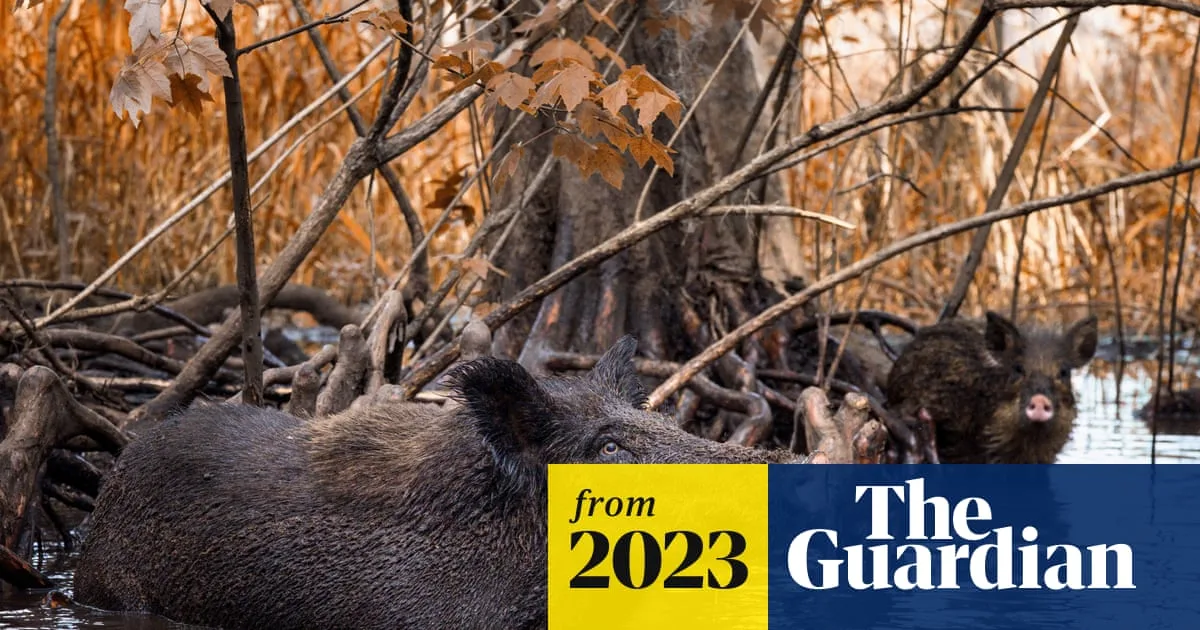
Feral pigs, causing an estimated $2.5bn in damage annually across the US, are increasingly being targeted by chefs and meat purveyors who aim to turn the invasive species into a sustainable food source. In Texas, home to over 2 million of the estimated 6 million wild boars nationwide, restaurants like Dai Due in Austin are featuring wild boar prominently on their menus, offering dishes such as boar boudin and wild boar summer sausage.
Chef Jesse Griffiths, co-owner of Dai Due and author of The Hog Book, advocates for consuming wild hog as a solution to the invasive species problem. 'They're invasive, they need to be removed,' he said, noting the strong environmental case for hunting and eating feral pigs compared to other game.
The damage caused by feral hogs is severe. Casey Frank of Farmshare Austin, a non-profit organic farm, witnessed a group of six hogs destroy at least 2,000lb of produce in 2022. Despite efforts to trap or shoot the animals, including using an AR-15 and baited traps, the intelligent hogs evaded capture. 'Hogs being as intelligent as they are were able to recognize the trap and sidestep it,' Frank said.

Government agencies have struggled for decades to contain the population, which originated from pigs brought by Christopher Columbus in 1493 and later supplemented by Eurasian wild boars imported for hunting in the 1890s. Interbreeding and rapid reproduction have exacerbated the problem, making wild boar one of North America's most challenging invasive species.