

Calls Grow for 'NHS for Pets' as Soaring Vet Bills Leave Owners Reeling
For millions of pet owners across Britain, a trip to the veterinary surgery has become a source of profound anxiety, not just for the health of their beloved animal but for the state of their finances. Amid a growing chorus of distress from teary pet lovers recounting experiences of being fleeced, the government has finally unveiled legislation aimed at regulating vet prices. However, for many, including those with ailing companions like an 11-year-old Golden Retriever, these measures do not go far enough. What Britain's animal-lovers are increasingly demanding is nothing short of a national pet care system, free at the point of use.
The Staggering Cost of Care
If you have never owned a pet, you might be oblivious to the unparalleled companionship and unflinching joy they bring to a family home. Equally, you may not understand the convulsed, snotty wreckage they reduce you to when they pass away. Nor will you have experienced the breathless, speechless moment when presented with an unexpected veterinary bill. Even a routine check-up at your local practice can come with a severe financial health warning for the owner.
The veterinary sector operates under regulations that have remained largely unchanged since the 1960s. This means a walk-in practice is not obligated to advertise clear pricing for procedures, not even a rough estimate. For a distressed owner standing in reception with a whelping puppy or an injured cat, the only ballpark figure offered is often as vague as "How long is a piece of string?"

Somehow, over the past two years, what were already staggeringly high vet fees have risen at twice the rate of inflation, according to the Competition and Markets Authority. With nearly two out of three vets in the UK now operated by just six major corporate companies, this market consolidation has only intensified the wild-west atmosphere, leaving consumers feeling powerless.
Government Steps In – But Is It Enough?
This week, Animal Welfare Minister Baroness Hayman announced plans to introduce legislation requiring veterinary practices to publish clear price lists. The aim is to mitigate against "unexpected costs" – or what many experienced pet owners would bluntly call extortion – and to foster greater transparency about available treatment options.
The scale of the problem was starkly illustrated during a recent LBC phone-in, where emotional pet owners shared their harrowing tales:
- One caller, who had spent years caring for a feral cat on her allotment, was quoted £360 to have the animal put to sleep as it neared the end of its life. She walked out and found another vet who charged £160.
- Another owner of a West Highland White Terrier with a skin condition was told by his vet it was "the holiday rash." When the owner looked blank, the vet quipped it was the sort of rash that paid for his holidays.
- Others described how, despite having pet insurance, they were told to pay upfront and claim later – a common practice. In one extreme case, a man was asked for half of an £8,000 bill upfront while his dog was on the operating table, leaving him frantically calling relatives for help.
A Personal Tale of Veterinary Heartache
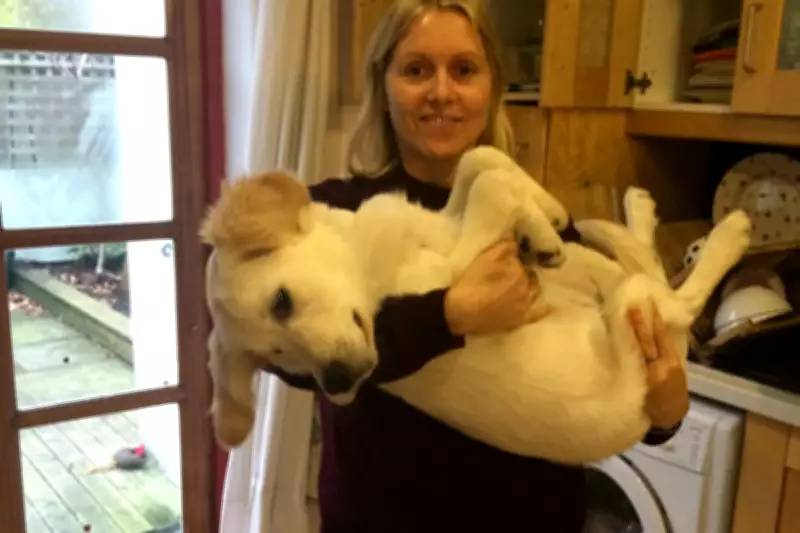
For many, these stories resonate deeply. Take the case of Muggles, an 11-year-old Golden Retriever. After accidentally eating three grapes – toxic to dogs – he was hospitalised for three days for observation, with the owner trembling as she handed over her credit card. When he later developed a lump on his front leg, discussions involved oncologists, chemotherapy suites, and post-surgery recovery with physio, prompting thoughts of remortgaging to cover the costs.
What makes this particularly galling is that pet insurance, often costing a hefty £150 a month, still leaves owners with significant out-of-pocket expenses. For senior pets like Muggles, every trip incurs a 20 per cent excess. Furthermore, sharp practices have been highlighted by the internet: one owner discovered that buying arthritis medication directly from the vet cost over £100, whereas obtaining a prescription for £26.80 and purchasing the same medication online cost just £16.98.

The Case for an 'NHS for Pets'
For a growing number of campaigners, the government's proposed transparency rules are merely a first step. The real solution, they argue, is an "NHS for pets" – a system where veterinary care is free at the point of use. Instead of paying often exorbitant pet insurance premiums, which can exceed the cost of treatment itself, owners would contribute to a National Insurance-style fund. This would cover day-to-day healthcare services and vet salaries, providing comprehensive coverage without the shock bills.
With an estimated 60 per cent of UK households – around 17 million – owning a pet, and owners spending approximately £6.3 billion on veterinary and related services in 2024, the potential impact is enormous. Those opting into such a fund could carry an "NHS Pet" card, entitling them to free treatment and the priceless peace of mind that money cannot buy. This could lead to improved, more consistent care for millions of animals nationwide.
While the government deserves credit for shedding light on opaque vet pricing and aiming to curb racketeering, many believe the sector requires a more radical overhaul. After years of profiting from pet owners' distress, it is time, they say, for the veterinary industry to be firmly put back on a leash, with a system that prioritises animal welfare over profit.





