Faulty Tesla Charger Caused $4m Fire at Ex-NFL Star's Nashville Mansion
A devastating fire that caused more than $4 million in damage to former NFL star Randall Cobb's Nashville mansion was sparked by a faulty Tesla charging cable, according to newly released court documents. The blaze, which occurred in July 2024, completely destroyed Cobb's 2022 Tesla Model S Plaid and a Mercedes SUV while causing extensive damage to the $5.2 million property.
Family Escapes with Lives but Loses Everything
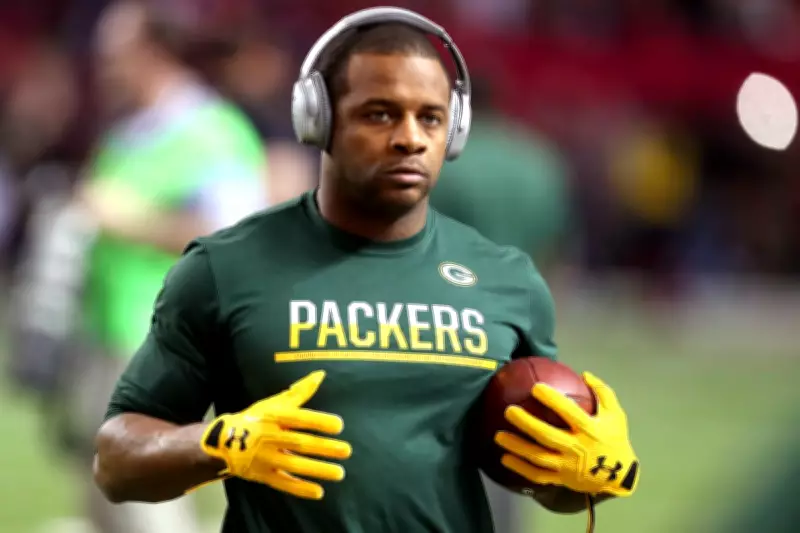
Cobb, the former Green Bay Packers wide receiver who also played for the Dallas Cowboys, Houston Texans and New York Jets, escaped the inferno with his wife Aiyda, their three young children, and their dog Louie. "We are lucky to be alive," Aiyda Cobb posted on Instagram at the time, noting they fled with "nothing but the clothes on our back and no shoes on our feet."
The fire originated in the garage of Cobb's 7,500-square-foot Green Hills mansion, a property featuring five bedrooms, eight bathrooms, a private pool, and a fully equipped pool house. Firefighters managed to extinguish the blaze, but not before it caused catastrophic damage to the residence and vehicles.

Independent Investigations Point to Defective Cable
According to a civil complaint filed by AIG, Cobb's insurer, against Tesla, two independent expert investigations concluded the fire began with the Tesla charging cable. The investigators determined the blaze resulted from "an arc... resulting from failure of internal insulation on the conductors of the cable."
The complaint states investigators "further concluded that the failure... was the result of a defect in the cable, not from any misuse or external factors." This finding contradicts suggestions that improper installation or user error might have caused the incident.
Insurance Company Seeks Compensation from Tesla
AIG is now suing Tesla to recover the money it paid out to Cobb following the devastating fire. The insurance company claims Tesla had a duty to warn Cobb "of any dangers associated with the charging cable" and failed to do so. According to the complaint, the cable was "not fit for its ordinary purpose of safely charging the Tesla vehicle."
The legal documents reveal specific details about the incident:
- Cobb had a dedicated 240-volt outlet installed in his garage specifically for charging the Tesla
- The charging cable was supplied by Tesla as original equipment
- On July 25, 2024, Cobb connected his Model S to the charger after returning from a drive
- At approximately 9:51 PM, smoke alarms alerted the family to the fire in the garage
- Cobb observed flames in the area behind the Tesla at the garage wall
Broader Context of Electric Vehicle Safety Concerns
This incident adds to growing concerns about electric vehicle safety, particularly regarding charging equipment and battery fires. While Tesla's marketing materials emphasize that electric vehicles catch fire less often than gas-powered ones, battery fires burn hotter and are more difficult to extinguish.
The complaint notes that since 2011, 232 Teslas have caught fire, resulting in 83 fatalities. While Tesla home charging stations are unlikely to ignite, substandard installation by contractors can increase risks significantly. In a separate incident last July, a two-story house in the Dallas area caught fire after a reportedly malfunctioning Tesla charger.
In another tragic example cited in the documents, a Tesla Cybertruck that rolled into a ditch in 2024 burst into flames so intense that "the driver's skeletal system literally disintegrated," according to a lawsuit filed by his widow.
Legal Proceedings and Company Responses
The attorney representing AIG in its suit against Tesla declined to comment on the case, citing active litigation. A Tesla spokesperson, as well as the attorney representing Tesla in the case brought by AIG, did not respond to requests for comment.

Tesla now has until March 4 to file a formal answer to AIG's complaint, which was initially filed in state court on December 30 before being removed to federal court on February 2. The insurance company is seeking repayment from Tesla in an amount to be determined by a jury, "but in excess of $4 million."
The case highlights increasing scrutiny of electric vehicle safety standards and manufacturer responsibility for charging equipment. As more consumers transition to electric vehicles, incidents like the Cobb family's devastating fire raise important questions about product safety, manufacturer warnings, and insurance implications for high-value properties.