Parents and Christmas shoppers across the UK are being urged to buy only from trusted retailers this festive season, following a stark warning about the flood of dangerous counterfeit toys entering the country. Safety officials have revealed that thousands of fake items, including the hugely popular Labubu dolls, contain serious choking hazards and toxic chemicals.
Scale of the Counterfeit Crisis
New figures show that authorities have seized at least 259,000 counterfeit toys so far this year, with an estimated value exceeding £2.5 million. Alarmingly, around 90 per cent of this haul consisted of fake Labubu plush dolls. The Royal Society for the Prevention of Accidents (RoSPA) and the Government's Intellectual Property Office (IPO) issued a joint warning, stating this growing epidemic of fake goods poses a direct 'safety threat' that places 'children in real danger'.
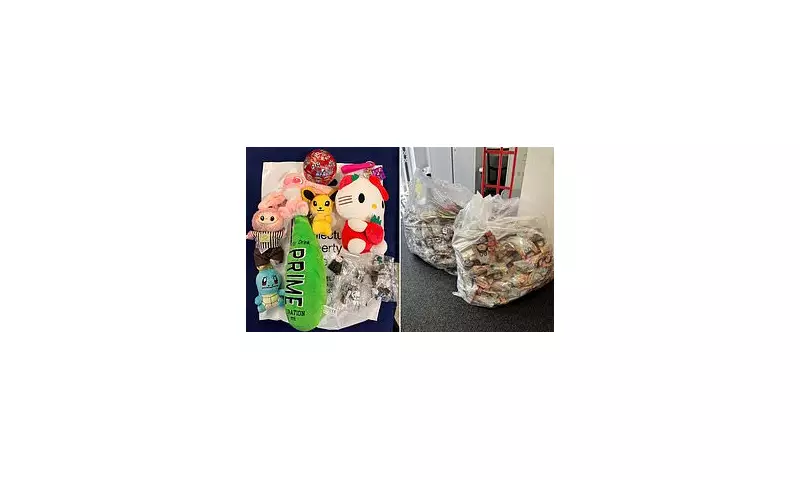
Among the seized items were defective Labubu dolls that fell apart easily, exposing sharp points and small detachable parts that could be swallowed. Unregulated Lego-style building figures were found to pose a similar choking risk, while counterfeit Pokémon products were manufactured from unknown and untested materials.

From Social Media Craze to Criminal Enterprise
The mischievous Labubu plush dolls have become a global sensation, driven by social media trends, blind-box packaging, and limited-edition releases. Their popularity has soared among children, teenagers, and celebrities like Kim Kardashian and Rihanna. However, this craze has been ruthlessly exploited by organised crime networks.
Criminals are smuggling the counterfeit toys into the UK via fast parcels, air cargo, and shipping containers, often from countries including China, Hong Kong, and Turkey. Once in the country, the toys quickly enter illegal distribution networks, being sold in physical outlets like pop-up shops, with profits funding serious criminal activities such as human trafficking and terrorism.
Hidden Dangers and Consumer Advice
RoSPA's examination revealed many soft toys carried no labelling or had fake safety markings, making it impossible to determine their materials. They could contain toxic substances like lead, harmful dyes, or banned plasticisers. Separate IPO research found that 29 per cent of people admitted to buying counterfeit goods, with 46 per cent of those reporting safety concerns like toys breaking immediately, strong chemical smells, or even children falling ill.
Adrian Simpson, Head of Policy at RoSPA, stated: 'Counterfeit items present a clear risk. These goods may look convincing, but they can pose serious dangers. The promise of a bargain is not worth risking children's safety for.'
Helen Barnham, Deputy Director of Enforcement at the IPO, added: 'With counterfeit toys, what you see is rarely what you get. Behind the packaging can be hidden choking hazards, toxic chemicals and faulty parts. These products have bypassed every safety check the law requires.'
Consumers are advised to take the following precautions:
- Stick to trusted, well-known retailers or official brand websites.
- Exercise extreme caution when buying from third-party sellers on online marketplaces.
- Check toys on arrival for a genuine UKCA or CE safety mark on electrical items.
- Look for a proper UK or EU contact address on the packaging.
If this information is missing, poorly printed, or contains spelling mistakes, the product is likely counterfeit. Anyone who suspects they have bought a fake toy should return it immediately, leave an online review to warn others, and report it to Trading Standards.